We examine the Navy Aerial Vehicle Operator (AVO) Warrant Officer Program—Designator 7371, the cornerstone of America’s strategy to dominate the rapidly evolving battlespace with long‑range, uncrewed aircraft systems (UAS). Conceived in 2022 to professionalize UAS expertise, the pipeline blends rigorous officer development at Newport’s Officer Candidate School with cutting‑edge flight training under Chief of Naval Air Training.
The stakes are immense. Maritime rivals field increasingly sophisticated drones, from carrier‑based reconnaissance platforms to autonomous strike swarms. By cultivating tactically minded warrant officers who marry aviator discipline with robotic‑system dexterity, the Navy secures decision‑quality data, extends the carrier strike group’s reach, and hardens the fleet against asymmetric threats.
Eligibility: Charting Your Course Toward the Flight Line
To qualify, we must satisfy a triad of prerequisites—citizenship, age, and prior‑service status—while demonstrating academic prowess and cognitive agility:
- Citizenship & Age: Only United States citizens aged 19 to 32 at commissioning may apply.
- Service Background: Open to civilians, active‑duty or reserve enlisted Sailors, and enlisted personnel from sister services (with conditional release). Commissioned officers from other branches remain ineligible, preserving accession purity.
- Education: A minimum associate degree (two‑year) from an accredited institution anchors foundational knowledge. Transcripts—secondary and collegiate—must verify GPAs.
- SUPer Battery: Scoring 96 or higher on the Selection of UAS Personnel (SUPer) battery differentiates top analytical talent. Lower scores earn consideration only when recruitment markets tighten.
We reinforce candidacy through two letters of recommendation spotlighting technical acumen and an introspective personal statement articulating operational passion.
Medical & Physical Standards: Engineering a Human Airframe
Flight‑crew resilience underpins mission assurance. Candidates undergo a Class II aviation physical aligned with DoD Instruction 6130.03 and NAVMED P‑117 (Manual of the Medical Department), Chapter 15. Key checkpoints include:
- Visual acuity within prescribed uncorrected and corrected thresholds.
- Cardiopulmonary robustness proven via graded exercise testing.
- Compliance with Navy body‑composition standards at application and commissioning.
Waivers accommodate exceptional performers whose minor deficits pose negligible risk, maintaining talent throughput without eroding safety margins.
Accession & Enlistment: From Candidate to Chief Warrant Officer
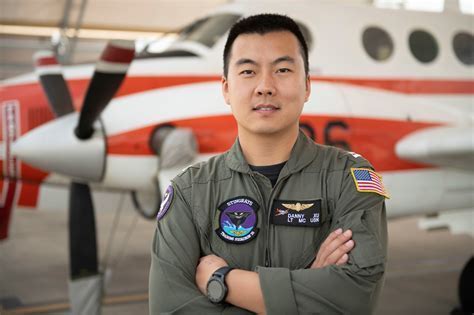
Successful civilians and Sailors E‑4 and below promote to E‑5 upon arrival at OCS, receiving commensurate pay and allowances. Higher‑grade enlisted applicants retain existing paygrades, minimizing financial turbulence.
Officer Candidate School: Newport’s Forge of Leadership
Over 13 intensive weeks at Naval Station Newport, Rhode Island, we internalize naval leadership, seamanship, damage‑control, and cyber‑security fundamentals. Physical training hones stamina for long watch cycles controlling CVN‑launched drones in contested airspace. Academic modules—ethics, law of armed conflict, and networked combat systems—prime us for multidomain decision‑making.
Advanced UAS Flight Training: Wings of Silicon & Code
Post‑commissioning, AVOs report to the Chief of Naval Air Training (CNATRA) for tiered instruction:
- Primary Systems Familiarization – Classroom immersion in aerodynamics of high‑aspect‑ratio wings, satellite‑link architectures, and maritime air traffic de‑confliction.
- Synthetic Mission Suite (SMS) Simulation – Full‑motion, high‑fidelity cockpits replicate EM‑contested environments, training crews in spectrum‑aware routing and autonomous vehicle handoffs.
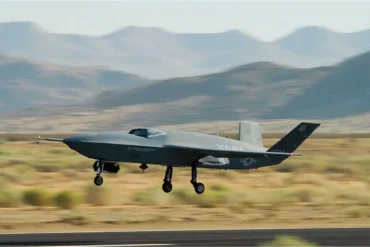
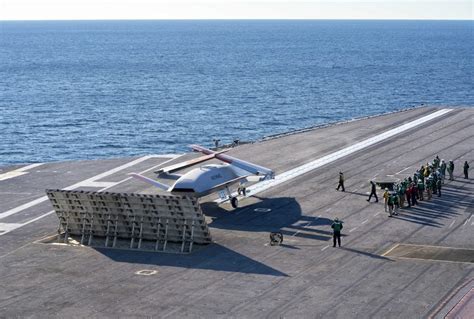
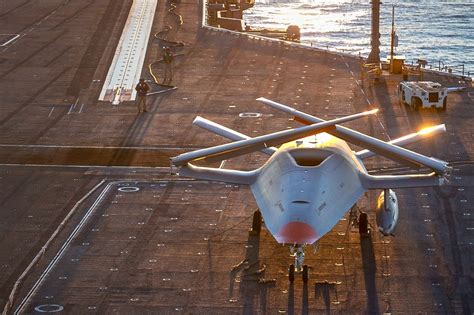
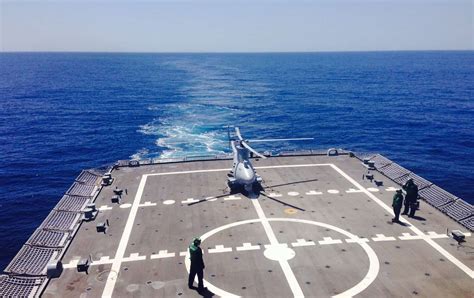
- Fleet Replacement Squadron (FRS) – Platform‑specific conversion on airframes such as the MQ‑25 Stingray tanker, MQ‑8C Fire Scout maritime scout, or RQ‑21A Blackjack ISR asset.
- Operational Test Detachments – Live‑flight quals from littoral combat ships, destroyer helidecks, or expeditionary shore sites finalize our UAS warfare device—silver wings edged in digital circuitry.
Active‑Duty Obligation: Seven Years of Unmanned Mastery
Upon winging, we commit to seven years of active service, stabilizing squadron manning while amortizing advanced training investment. Aviators disenrolled pre‑winging fulfill obligations per MILPERSMAN 1540‑010, often serving in cryptologic, surface warfare, or cyber billets that exploit transferable skills.
Operational Role: Extending the Commander’s Gaze
In fleet deployment, AVOs orchestrate mission‑tailored drone packages that integrate seamlessly with manned strike groups:
- Carrier Air Wing Augmentation: MQ‑25s refuel F‑35Cs, increasing cyclic sortie ranges by 30 percent, while providing ISR tracks that cue Super Hornet strike cells.
- Distributed Maritime Operations (DMO): Blackjack detachments deploy aboard Expeditionary Mobile Bases, relaying periscope‑depth contacts to anti‑submarine warfare commanders.
- Humanitarian Assistance/Disaster Relief (HADR): Fire Scouts map flood‑damaged littorals, guiding landing craft and supply helicopters to isolated communities.
Technological Proficiency: Coding the Kill Chain
Unlike traditional pilots, we manipulate C2 software suites, AI‑enabled sensor fusion, and edge‑compute architectures. Fluency in C++, Python, and STANAG 4586 protocols empowers rapid payload re‑tasking mid‑sortie, shortening the sensor‑to‑shooter loop from minutes to seconds.
Career Progression: From Warrant Officer to Technical Leader
Promotion opportunities mirror other warrant communities, progressing from WO‑1 through CWO‑5. Command billets include:
- UAS Detachment OIC aboard CVNs or amphibious ships.
- Fleet Integration Officer at Naval Air Systems Command, steering acquisition of next‑generation carrier‑launched drones.
- Doctrine Developer at Navy Warfare Development Command, writing tactics that knit autonomous assets into joint kill webs.
Compensation & Benefits: Rewarding Maritime Innovators
While exact tables fluctuate annually, AVOs enjoy:
- Flight Pay—monthly Aviation Incentive Pay commensurate with service length.
- Career Sea Pay—increases while embarked beyond 36 months.
- Comprehensive TRICARE health coverage, GI Bill educational benefits, and Thrift Savings Plan matching that rivals Fortune 500 retirement packages.
Waivers & Flexibility: Capturing Exceptional Talent
The Navy may waive certain age, academic, or minor medical restrictions when candidates possess rare proficiencies—cyber offense experience, satellite‑communications engineering, or commercial offshore UAS flight hours. Each petition undergoes holistic review, balancing mission urgency with force‑health protection.
Application Best Practices: Strengthening Your Candidacy
We recommend aspiring operators:
- Accumulate STEM coursework—aerodynamics, control‑systems engineering, applied mathematics—to bolster SUPer performance.
- Log civilian UAS flight hours under FAA Part 107, documenting risk‑based decision‑making.
- Cultivate programming fluency by contributing to open‑source autopilot firmware on GitHub.
- Secure endorsements from supervisors attesting to calm execution under combat‑simulation stress.
Conclusion: Joining the Vanguard of Naval Aviation
As geopolitical competition intensifies across the Indo‑Pacific and beyond, Aerial Vehicle Operators stand at the nexus of software and seapower. By fusing automated endurance with human ingenuity, we render the fleet more lethal, resilient, and informed. The AVO Program is not merely a commissioning path; it is a pledge to sculpt the Navy’s uncrewed legacy—a legacy written in the contrails of silicon‑guided wings soaring beyond the horizon.