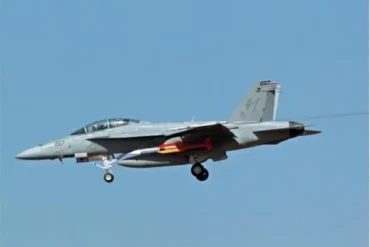
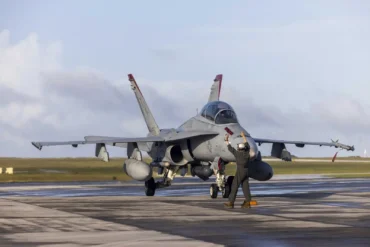
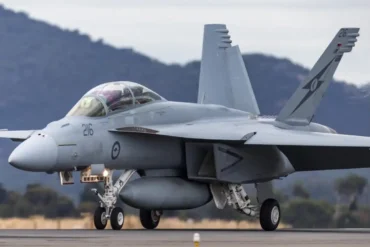
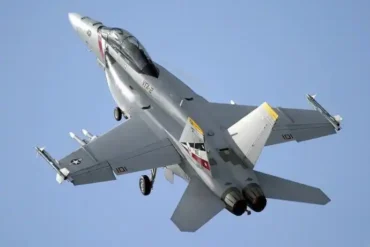
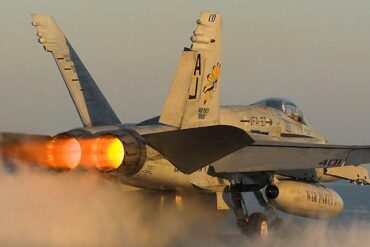
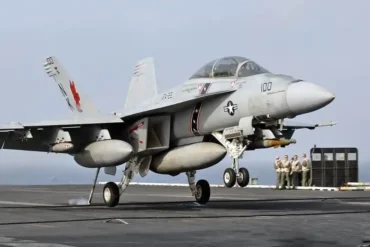
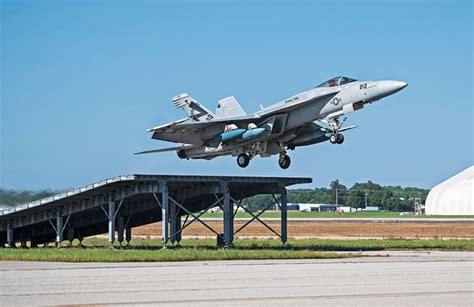
The F/A-18 Legacy Hornet is one of the most versatile and enduring fighter jets in modern naval history. Designed as a multi-role carrier-based aircraft, it has served as the backbone of the United States Navy and Marine Corps for decades. The aircraft’s ability to perform both fighter (F) and attack (A) missions makes it a formidable asset in combat. Despite being gradually replaced by more advanced platforms like the F/A-18E/F Super Hornet and F-35 Lightning II, the Legacy Hornet remains an integral part of numerous air forces worldwide.
Development and Historical Background
Origins and Design Evolution
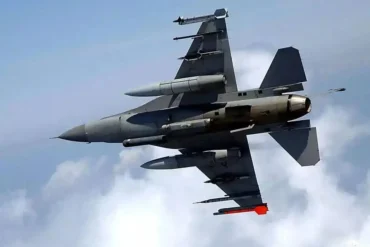
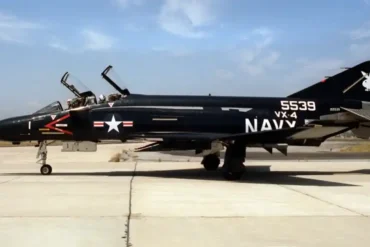
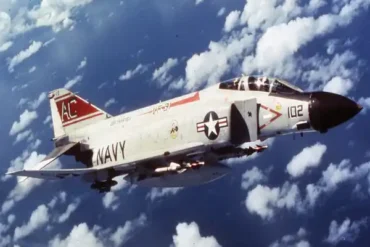
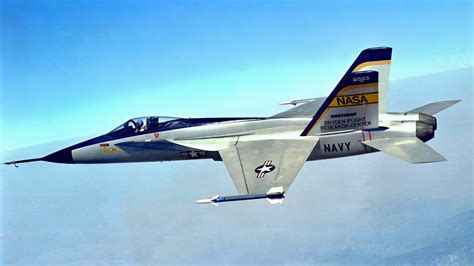
The F/A-18 Hornet originated from the Northrop YF-17 prototype, which was initially developed for the U.S. Air Force’s Air Combat Fighter (ACF) program. Although the YF-17 lost to the YF-16 Fighting Falcon, its twin-engine layout and carrier adaptability caught the attention of the U.S. Navy. Seeking a replacement for the aging F-4 Phantom II and A-7 Corsair II, the Navy selected the YF-17 as the foundation for a new multi-role fighter.
To meet the Navy’s rigorous carrier-based requirements, McDonnell Douglas and Northrop collaborated to refine the design into what became the F/A-18 Hornet. This partnership resulted in a highly reliable, maneuverable, and combat-capable aircraft that entered service in 1983.
Operational Service
The first operational deployment of the F/A-18A Hornet was with the U.S. Navy’s VFA-25 squadron. By the late 1980s, it had replaced multiple legacy aircraft, solidifying its role as a primary carrier-based strike fighter. The aircraft’s adaptability allowed it to support air-to-air engagements, ground strikes, and electronic warfare missions.
Following the retirement of the F-14 Tomcat in 2006, the F/A-18 became the sole fixed-wing fighter aboard U.S. aircraft carriers until the introduction of the Super Hornet.
Design and Technical Specifications
Aerodynamics and Structural Features
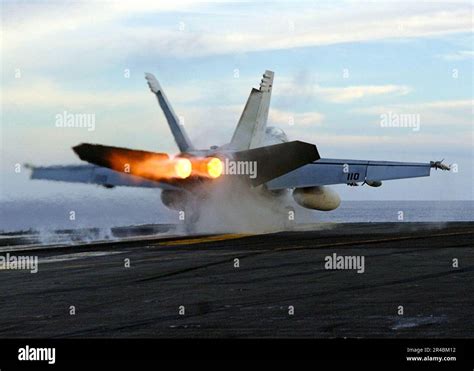
The F/A-18 Legacy Hornet boasts a twin-engine, twin-tail configuration optimized for carrier operations. Key design features include:
- Leading-edge extensions (LEX): Enhancing high-angle-of-attack maneuverability.
- Foldable wings: Allowing compact storage on aircraft carriers.
- Robust landing gear: Designed to withstand repeated catapult launches and arrested landings.
- Digital fly-by-wire system: Improving flight stability and responsiveness.
Powerplant and Performance
The aircraft is powered by two General Electric F404-GE-400 turbofan engines, each generating 7,200 kg of thrust. These engines offer:
- Superior thrust-to-weight ratio (7.4)
- Rapid throttle response for carrier landings and combat situations
- Operational reliability, ensuring mission success
Maximum speed: Mach 1.8 (1,915 km/h)
Combat radius: 550 km (unrefueled)
Service ceiling: 50,000 feet (15,240 meters)
Weapons and Avionics
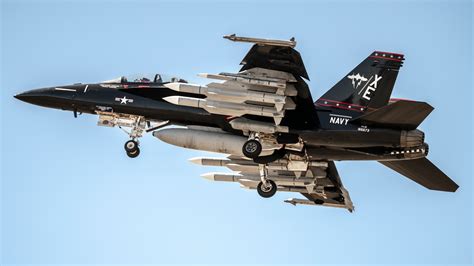
The F/A-18 Legacy Hornet is equipped with a comprehensive weapons suite, allowing it to engage both airborne and ground-based threats.
Primary Armament:
- 1x M61A1 Vulcan 20mm rotary cannon (570 rounds)
- 9 external hardpoints, capable of carrying:
- AIM-9 Sidewinder and AIM-7 Sparrow for air combat
- AGM-88 HARM for Suppression of Enemy Air Defenses (SEAD)
- JDAM and laser-guided bombs for precision strikes
Avionics and Radar:
- AN/APG-65 Radar: Multi-mode air-to-air and air-to-ground targeting
- Electronic warfare systems: Enhancing survivability in hostile environments
- Integrated glass cockpit: Providing pilots with real-time tactical displays
Combat Performance and Operational Use
Notable Combat Deployments
The F/A-18 Hornet has proven its effectiveness in multiple combat operations, including:
- Operation Desert Storm (1991): Engaging enemy aircraft and conducting precision strikes.
- Kosovo War (1999): Suppressing enemy air defenses and enforcing no-fly zones.
- Operation Enduring Freedom (2001-present): Providing close air support in Afghanistan.
Strengths and Limitations
Advantages:
- Highly maneuverable, excelling in close-range dogfights
- Reliable and easy to maintain, with a long operational lifespan
- Versatile multi-role capabilities, reducing the need for specialized aircraft
Limitations:
- Limited combat radius (550 km without refueling)
- Smaller payload capacity compared to newer aircraft like the F/A-18E/F Super Hornet
Modernization and Future Prospects
Upgrades and Global Operators
Though phased out in favor of the Super Hornet, many nations still operate upgraded variants of the Legacy Hornet, including:
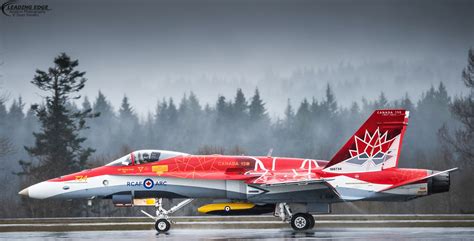
- Canada (CF-18 Hornet)
- Australia (RAAF Hornet fleet, retired in 2021)
- Spain and Switzerland
Modernization efforts include radar enhancements, avionics updates, and structural reinforcements to extend service life.
Replacement Programs
The F-35 Lightning II and Eurofighter Typhoon are replacing aging F/A-18s in various air forces. However, the F/A-18E/F Super Hornet continues to serve as a transitional platform for the U.S. Navy until the next-generation carrier fighter is introduced.
FAQ
1. What is the main difference between the F/A-18 Legacy Hornet and the Super Hornet?
The F/A-18E/F Super Hornet is a larger, more powerful evolution of the Legacy Hornet, featuring increased fuel capacity, stronger airframe, improved avionics, and upgraded F414 engines.
2. Why was the F/A-18 chosen over the F-14 Tomcat?
The F/A-18 offered lower operational costs, superior multi-role capability, and better reliability, making it a more versatile choice for modern combat scenarios.
3. Can the F/A-18 still be used in modern warfare?
Yes. While newer aircraft like the F-35 offer advanced stealth capabilities, upgraded F/A-18s remain effective in multi-role missions, especially in electronic warfare and ground-attack roles.
The F/A-18 Legacy Hornet remains a historic and influential aircraft in naval aviation, setting the standard for modern carrier-based fighters. Despite being replaced, its legacy endures in air forces worldwide.