BOC Aviation stands as Asia’s largest aircraft operating lessor, a strategic giant anchored in Singapore with an impressive global footprint. As a subsidiary of the Bank of China, it plays a central role in the modern aviation ecosystem, offering sophisticated financing and leasing solutions to airlines worldwide. From its inception as Singapore Aircraft Leasing Enterprise (SALE) to its emergence as a publicly listed titan, BOC Aviation’s journey reveals a fusion of sharp investment strategy, state-backed stability, and commercial agility that sets it apart in an industry driven by high capital and cyclical demand.
Founded in 1993, SALE emerged from a partnership between Singapore Airlines and Boullioun Aviation Services, a Seattle-based aircraft leasing firm. While its operations were modest at the start, the vision was clear: to transform aircraft leasing into a profitable and indispensable service for Asia’s rapidly growing aviation sector. The company’s first aircraft was acquired in 1995, and its first order with Airbus was placed just a year later—signaling its early commitment to building a long-term fleet strategy.
Through the late 1990s and early 2000s, Temasek Holdings and the Government of Singapore Investment Corporation (GIC) invested in the business, aligning it with Singapore’s broader financial ambitions. By 2000, SALE had become Airbus’ largest single-aisle customer in Asia, emphasizing its aggressive fleet expansion and focus on narrow-body aircraft—favored by low-cost carriers and short-haul operators across Asia-Pacific.
Transformation Under Bank of China Ownership
In 2006, a major pivot occurred: the Bank of China acquired SALE for US$965 million, transforming the privately held enterprise into a state-backed leasing heavyweight. The rebranding to BOC Aviation on 2 July 2007 marked more than just a name change. It was a signal of deeper capital support, increased international reach, and a clear ambition to dominate the aircraft leasing space.
The acquisition allowed BOC Aviation to access favorable capital markets, particularly in mainland China and Hong Kong. The move also provided crucial leverage in negotiating large-scale aircraft purchases, often in the tens of billions of dollars, with Boeing and Airbus.
By 2016, the company transitioned to a publicly listed entity on the Main Board of the Hong Kong Stock Exchange (HKEX: 2588). This IPO not only enhanced its transparency and governance but also attracted institutional investors seeking exposure to aviation infrastructure.

Fleet and Geographic Footprint
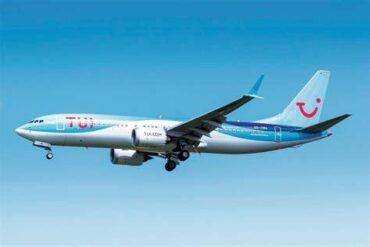
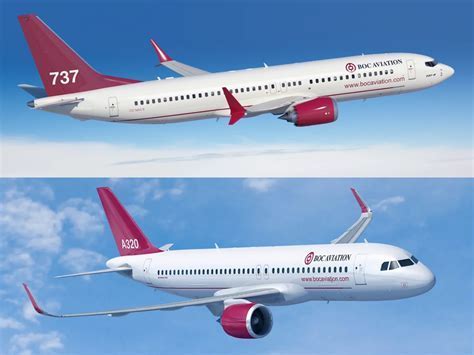
BOC Aviation’s current fleet strategy is highly disciplined, with a preference for modern, fuel-efficient aircraft. Its portfolio includes a heavy concentration of Airbus A320neo, Boeing 737 MAX, Airbus A350, and Boeing 787 models—aircraft that appeal to both legacy and low-cost carriers due to their lower operating costs and high passenger comfort.
With over 600 aircraft either owned, managed, or on order, BOC Aviation maintains one of the youngest and most technologically advanced fleets among global lessors. Its aircraft are leased to more than 90 airlines in over 40 countries, spreading its risk while enhancing revenue diversity.
Key offices in Dublin, London, New York, and Tianjin serve as regional nodes, allowing the company to maintain proximity to both customers and manufacturers. Dublin, in particular, plays a critical role due to Ireland’s status as a global hub for aviation finance.
Strategic Leasing and Capital Deployment
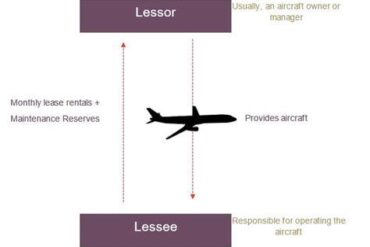
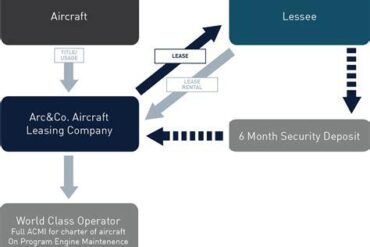
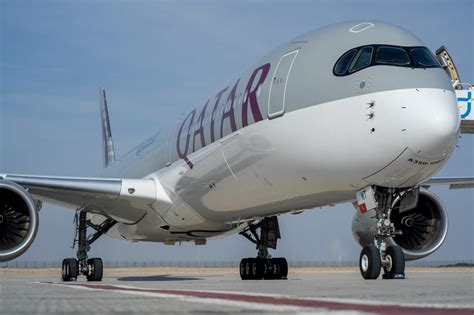
Unlike speculative lessors, BOC Aviation practices a purchase-and-leaseback strategy, reducing market exposure and increasing asset utilization. This was evident in August 2019, when the company signed a landmark deal with Qatar Airways to lease three new Airbus A350 aircraft.
These transactions serve multiple purposes: they offer liquidity to airline partners, deepen long-term relationships, and ensure that BOC Aviation continues to deploy capital efficiently across market cycles.
BOC Aviation also maintains a high credit rating, thanks in part to the backing of the Bank of China. This allows it to secure low-cost funding through bonds and syndicated loans, keeping financing costs below industry average. Its prudent approach to asset-liability management ensures cash flow stability, even during downturns like the COVID-19 pandemic.
Resilience Through Volatility and Global Disruption
The COVID-19 pandemic challenged global aviation, causing sharp declines in air travel and stressing even well-capitalized lessors. BOC Aviation, however, remained resilient. Its state ownership, strong liquidity buffers, and broad airline customer base insulated it from the worst effects.
Instead of retreating, the company used the crisis as an opportunity to negotiate favorable aircraft purchase terms and enter new lease agreements with carriers seeking financial relief. The crisis proved a litmus test for leasing firms worldwide, and BOC Aviation emerged with its reputation and credit profile intact.
Competitive Positioning in the Global Leasing Market
Globally, BOC Aviation competes with giants like AerCap, SMBC Aviation Capital, Avolon, and Air Lease Corporation. However, its Asia-first strategy, combined with Chinese state support and disciplined capital management, gives it unique advantages:
- Deep access to Chinese and Southeast Asian carriers
- Low cost of capital through sovereign backing
- High aircraft utilization rates
- Consistent profitability and dividend history
These strengths make BOC Aviation a preferred partner not only for large state-owned carriers in China but also for fast-growing private airlines in India, Indonesia, and Vietnam. Its ability to provide long-term lease solutions with flexible structures positions it as both a financier and strategic advisor to its airline clients.
Environmental Focus and Future Outlook
As environmental concerns take center stage, BOC Aviation is investing in a greener fleet mix. The focus is shifting rapidly toward aircraft that offer reduced emissions, lower fuel burn, and noise compliance in line with ICAO standards. Models like the Airbus A320neo and Boeing 787 Dreamliner align perfectly with this direction.
The company also discloses its Environmental, Social, and Governance (ESG) metrics in its annual reports, reflecting a growing commitment to sustainability. In the coming decade, BOC Aviation is expected to further integrate green financing tools into its bond issuance and portfolio strategy.
Conclusion: A Titan of Asian Aviation Finance
BOC Aviation’s evolution from a Singaporean joint venture into a global aircraft leasing giant reflects its strategic foresight and disciplined execution. With state-owned support, a stronghold in the Asian market, and one of the youngest fleets in the industry, the company is exceptionally well-positioned to benefit from the continued rise in global air traffic and the demand for efficient fleet modernization.
As aviation recovers post-pandemic, BOC Aviation will likely continue to thrive—not just as a lessor, but as an indispensable engine of growth and liquidity for the world’s airlines.