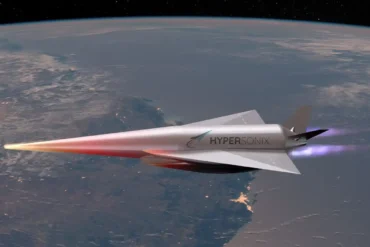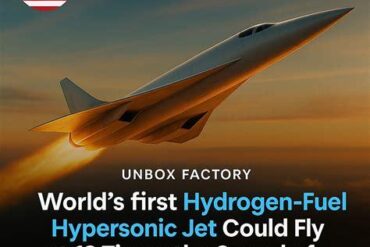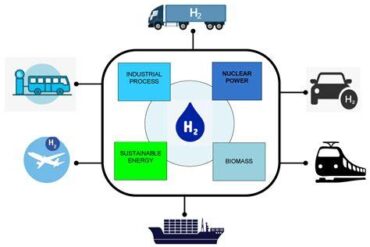
In the relentless pursuit of decarbonizing aviation, hydrogen has emerged as a compelling solution capable of delivering profound environmental benefits while reshaping aircraft design, propulsion systems, and the infrastructure of flight itself. Hydrogen-powered aircraft—whether using fuel cells to drive electric motors or burning hydrogen in jet turbines—are no longer the realm of theory, but a rapidly approaching reality under active development by aerospace leaders like Airbus, Boeing, and a growing ecosystem of startups.
Hydrogen offers a unique energy profile that enables entirely new classes of flight. With a specific energy of 119.9 MJ/kg, hydrogen far surpasses traditional jet fuel (kerosene), which stands at roughly 43.5 MJ/kg. This nearly threefold energy advantage by weight translates to lower onboard fuel weight and potentially lighter aircraft for the same range. However, this comes with a trade-off: hydrogen’s volumetric energy density is significantly lower. As a liquid at 20 K, its energy density is still about 3.7 times lower than kerosene, demanding large, heavily insulated tanks that must be housed inside the fuselage or in external pods—ruling out traditional wing-integrated fuel tanks.
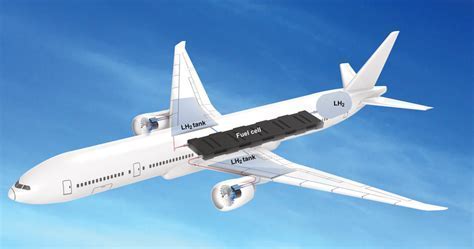
Such storage requirements demand an entirely new architectural approach to aircraft design. Most current studies and prototypes employ cryogenic cylindrical tanks inside the fuselage to limit insulation mass and thermal losses. This design significantly increases fuselage volume, thereby increasing aerodynamic drag through a higher wetted surface area. Nevertheless, because hydrogen weighs far less than kerosene, the overall fuel fraction of the aircraft could decline from current values of 26–45% of Maximum Take-Off Weight (MTOW) to just 9–16%, partially offsetting the aerodynamic penalties.
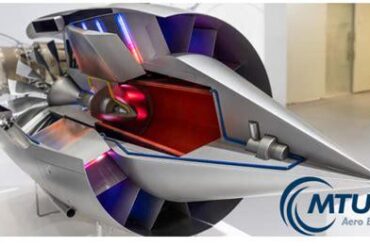
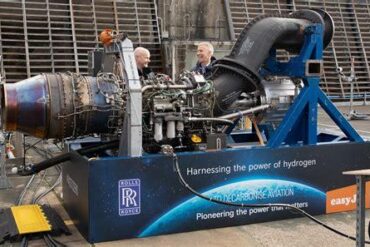
On the propulsion front, aircraft powered by hydrogen fuel cells offer zero-emission performance and are well-suited to general aviation and regional routes. These systems convert hydrogen into electricity to power electric motors, achieving high efficiency with no direct emissions. For larger, long-haul aircraft, however, hydrogen combustion in gas turbines is currently favored due to higher power density and maturity. In both cases, the choice of fuel form—gaseous or liquid—strongly influences range and efficiency. Gaseous hydrogen is sufficient for short-haul flights, while liquid hydrogen is necessary for medium- to long-haul ranges, driving development of advanced airframe concepts.
One such initiative, the UK’s NAPKIN study, has demonstrated the feasibility of hydrogen-powered short-haul aircraft carrying 7–90 passengers, potentially replacing the entire UK regional fleet by 2040 if green hydrogen prices fall below $1/kg. Meanwhile, the FlyZero project, backed by the UK Aerospace Technology Institute, envisions a 279-seat aircraft with liquid hydrogen gas turbines capable of 5,250 nautical miles—a viable replacement for today’s long-range jets.
While fuel cells emit nothing but water vapor, hydrogen combustion engines eliminate CO₂ emissions entirely but still produce nitrogen oxides (NOₓ)—albeit at rates up to 90% lower than conventional jet fuels—and no particulate matter. Despite these improvements, stratospheric water vapor and NOₓ emissions may contribute to radiative forcing, a subject of ongoing atmospheric research. According to the EU Clean Sky 2 study, hydrogen aircraft could reduce climate impact by 70–80% on short-haul, 50–60% on medium-haul, and 40–50% on long-haul flights, albeit with increased operating costs of 20–50%, depending on range.
The source of hydrogen remains pivotal. As of 2021, less than 5% of global hydrogen production was “green”—generated via electrolysis powered by renewable energy. Most hydrogen still comes from fossil fuel-derived methods, such as steam methane reforming, which undermines the potential climate benefits unless paired with carbon capture technologies. To truly deliver on hydrogen’s promise, governments and industries must invest in renewable hydrogen production infrastructure at scale.
The journey toward hydrogen flight is not without precedent. As early as February 1957, a Martin B-57B flew using hydrogen in a demonstration by NACA. The Soviet Tu-155, an experimental adaptation of the Tu-154, became the world’s first hydrogen-powered passenger aircraft with its maiden flight in April 1988. Since then, a series of progressively ambitious milestones have illustrated growing confidence:
- 2008: Boeing’s Diamond DA20 powered by fuel cells.
- 2012: First flight of the Phantom Eye, a hydrogen UAV.
- 2016: DLR’s HY4—a four-seat fuel-cell aircraft.
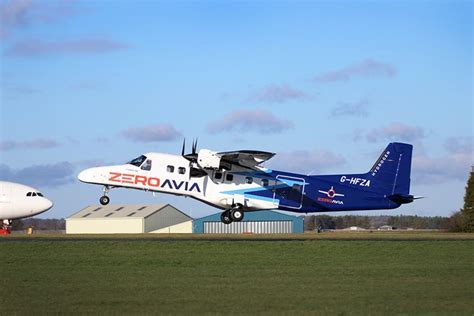
- 2023: ZeroAvia’s Dornier 228 and Universal Hydrogen’s Dash 8 testbeds launched hydrogen-electric test flights.
- 2024: Joby Aviation’s S4 eVTOL achieved a 523-mile flight on hydrogen power with 10% fuel remaining.
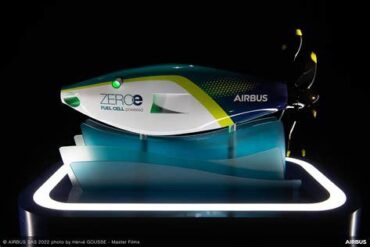
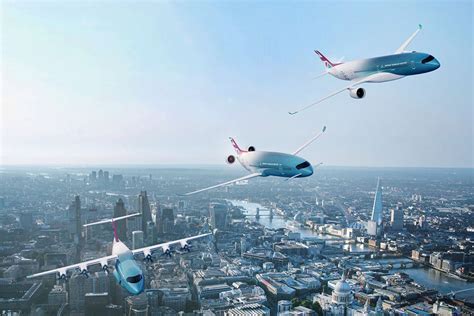
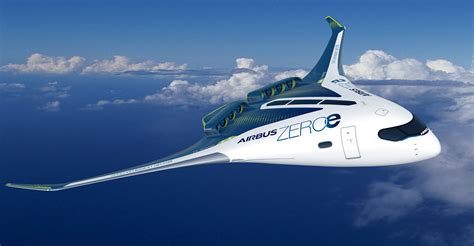
Today, industry giants are pushing the frontier even further. Airbus ZEROe unveiled three hydrogen concepts in September 2020: a 100-seat turboprop, a 200-seat turbofan, and a blended-wing-body design, all targeting commercial service by 2035. Airbus is also developing a liquid hydrogen-powered demonstrator using a GE Passport engine mounted on an A380 prototype, expected to fly within the next five years. Meanwhile, Pratt & Whitney is refining the HySIITE geared turbofan, aiming for 80% NOₓ reduction and 35% fuel consumption reduction, with an anticipated market entry around 2035.
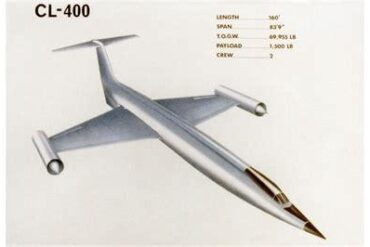
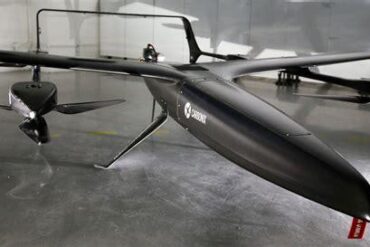
Historical proposals, such as Lockheed’s CL-400 Suntan, and academic prototypes like the AeroDelft drone or DLR Smartfish, illustrate the long-standing interest in hydrogen as a clean propulsion option. Recent entries from startups—including ZeroAvia, Universal Hydrogen, and Project Fresson—are now moving from prototypes to certifiable aircraft, some of which could enter commercial service before the end of this decade.
Hydrogen propulsion is poised to disrupt aviation on a scale not seen since the dawn of the jet age. However, to fully realize this transformation, the industry must overcome challenges beyond the aircraft themselves: namely, the production, distribution, and refueling infrastructure for liquid and gaseous hydrogen at airports globally, the certification of new propulsion architectures, and the training of flight and maintenance crews for entirely new systems. Moreover, sustained government incentives, green hydrogen subsidies, and cross-sector coordination will be essential.
Despite these hurdles, the momentum is clear. Hydrogen’s zero-carbon potential, combined with its ability to support both electric and combustion propulsion, makes it a unique candidate to power the next generation of sustainable flight. The convergence of policy urgency, technological innovation, and investor enthusiasm signals that hydrogen-powered aircraft are no longer just an aspiration—they are a strategic imperative for the decarbonized skies of tomorrow.