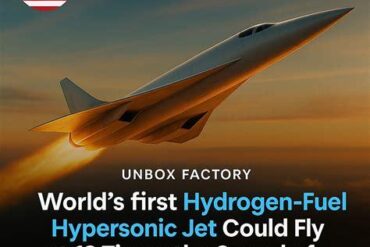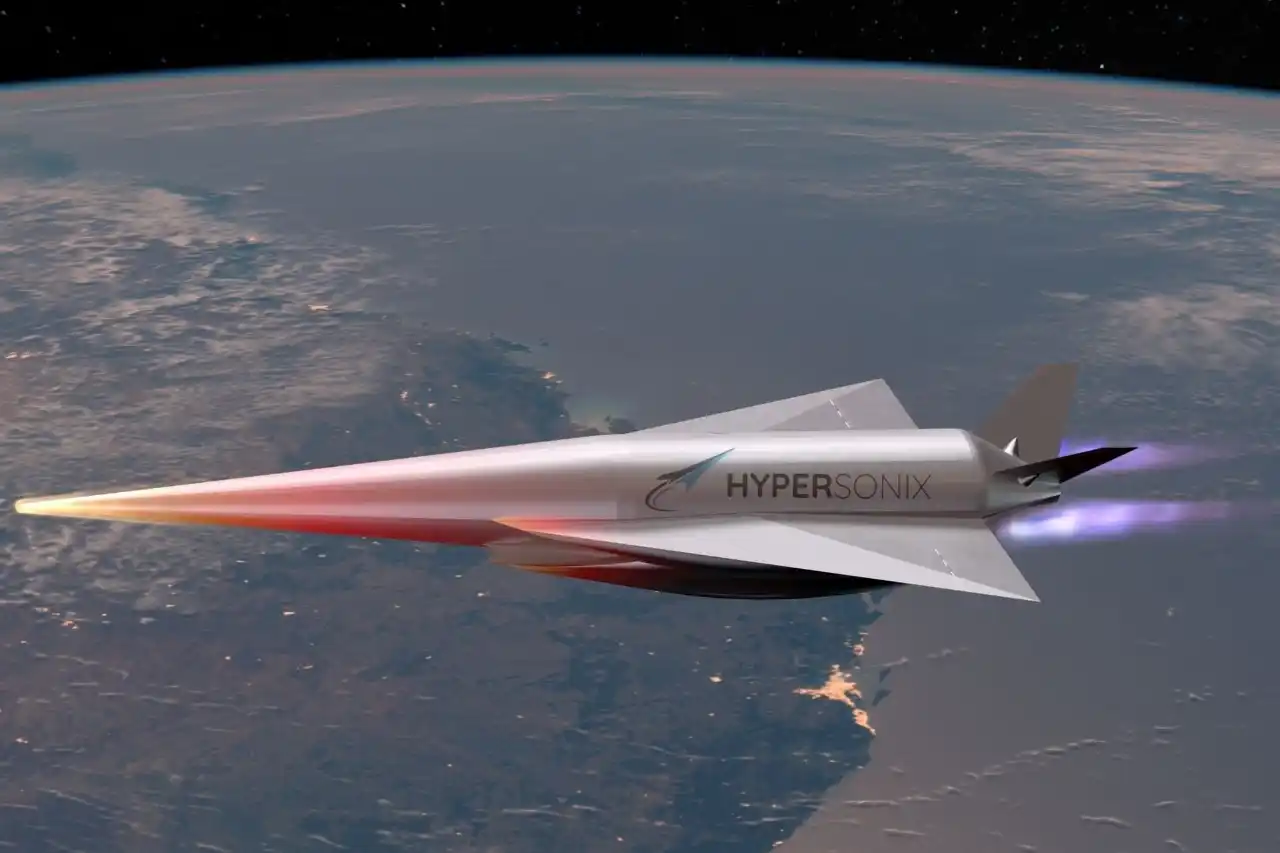
Aviation is undergoing a transformative shift, one that may redefine the very boundaries of speed, sustainability, and space access. At the forefront of this revolution is Hypersonix Launch Systems, an Australian aerospace start-up that is setting new benchmarks with the world’s first hypersonic hydrogen-powered jet. This innovative leap doesn’t just herald a technological milestone—it reimagines what air travel, defense, and space launch systems could become in the next decade.
At the core of this breakthrough lies green hydrogen propulsion, a technology long theorized but only now being materialized through scramjet engines and cutting-edge high-temperature materials. The ambition is bold: Mach 12 speeds, zero-emission exhaust, and fully reusable platforms that can service both defense and civilian sectors.
The Rise of Hypersonix Launch Systems: A Start-Up with Global Impact
Founded in Brisbane, Hypersonix Launch Systems has quickly emerged as a disruptor in the hypersonic space. With a team of around 45 engineers, scientists, and advanced manufacturing professionals, the company has attracted major attention and funding—notably from NASA, the US Department of Defense, and the Queensland government.
What differentiates Hypersonix is its clean energy focus. Unlike other hypersonic concepts relying on traditional hydrocarbons or exotic fuels, Hypersonix has doubled down on hydrogen, positioning itself as a pioneer in sustainable aerospace propulsion. Their scramjet engine, called SPARTAN, is an engineering marvel: entirely 3D-printed, reusable, and capable of pushing aircraft into hypersonic flight with water vapor as its only emission.
SPARTAN Scramjets: The Beating Heart of Hypersonic Innovation
The SPARTAN scramjet engine is at the center of this story. Unlike conventional jet engines, a scramjet (Supersonic Combustion Ramjet) compresses incoming air at supersonic speeds without moving parts. What makes SPARTAN exceptional is its blend of 3D-printed high-temperature alloys, hydrogen fuel use, and reusability—a trifecta rarely achieved in the aerospace world.
SPARTAN’s ability to sustain speeds between Mach 5 and Mach 12 could enable aircraft to travel from New York to London in under 90 minutes. Moreover, by using hydrogen—a fuel that emits only water vapor—Hypersonix’s system drastically reduces environmental impact compared to traditional rocket and jet propulsion.
The Technological Arsenal: From DART to Delta Velos
To validate and demonstrate its capabilities, Hypersonix is developing a family of hypersonic vehicles, each with a specific role but united under a common architecture of scramjet propulsion and reusable design.
DART AE
The DART AE (Additive Engineering) is a single-use, 10-foot-long hypersonic technology demonstrator, and the world’s first entirely 3D-printed hypersonic vehicle. Built from high-temperature alloys, DART is designed to fly at Mach 7, making it a key milestone in proving scramjet functionality under realistic flight conditions.
This vehicle is slated for launch from NASA’s Wallops Flight Facility in Virginia, in what could be the first sustained hypersonic flight powered by green hydrogen.
VISR
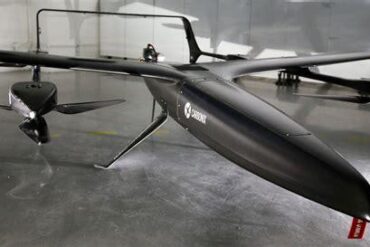
Standing at 20 feet, VISR is a reusable multi-mission platform designed for military reconnaissance and high-speed testing. It can operate between Mach 5 and Mach 10, is intended to land on conventional runways, and offers rapid redeployment capabilities ideal for defense.
Delta Velos
The largest and most advanced of the lineup is Delta Velos, a 39-foot reusable aircraft capable of Mach 12 speeds and small payload launches into orbit. It carries up to 110 lbs, targeting small satellite deployment as well as point-to-point suborbital missions.
HyperTwin X
Finally, HyperTwin X is a virtual testbed. It allows engineers, mission planners, and defense analysts to simulate hypersonic scenarios—ranging from flight dynamics to ISR (Intelligence, Surveillance, Reconnaissance) operations—before actual deployment. This digital twin allows for AI-based hypersonic detection algorithm training and pre-mission validation.
Military Partnerships: Fueling the First Flights
Historically, the military has often underwritten breakthrough aerospace tech, and Hypersonix is no exception. The company has already secured contracts with:
- NASA, backing the DART AE launch
- US Defense Innovation Unit (DIU), for advanced flight test systems
- UK Ministry of Defence, to explore hypersonic missile technologies
- Kratos Defense, collaborating on autonomous hypersonic systems
The synergy between national defense and commercial innovation is accelerating the timeline for viable hypersonic platforms. In fact, JetZero, another US company developing a blended-wing aircraft, has received substantial backing from the US Air Force, highlighting the trend of defense acting as venture catalyst for aviation startups.
Hydrogen Fuel: The Clean Catalyst of Future Propulsion
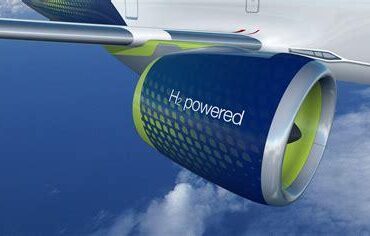
Hydrogen is quickly gaining status as the fuel of the aerospace future. Light, powerful, and clean-burning, it offers an unmatched energy-to-weight ratio. Yet, storing and transporting it remains a significant engineering challenge. Hypersonix’s use of green hydrogen, sourced from renewable electricity, ensures that its jets emit zero carbon emissions, positioning the company as a leader in both performance and climate stewardship.
Projects like H2 Clipper Inc. are working on airborne hydrogen transport systems, potentially forming an aerial supply grid that could support global hydrogen-powered aerospace infrastructure. As clean hydrogen costs are projected to drop to $2–$4/kg by 2030, the timing aligns perfectly with Hypersonix’s commercial ambitions.
Commercial Prospects: From Military to Marketplace
While most of Hypersonix’s current operations are focused on military, research, and small payload sectors, passenger flight is clearly on the roadmap. The company has already engaged with major airlines like United Airlines and Virgin Atlantic, envisioning a future where high-speed hydrogen-powered travel becomes commercially viable.
However, the path to that reality is steep. Beyond engineering, any hypersonic passenger aircraft will need to comply with rigorous aviation safety standards, navigate global regulatory hurdles, and achieve cost-efficiency at scale.
Experts agree that commercial hypersonic travel before 2040 is optimistic, but not impossible. Like the Concorde before it, initial services may target a niche clientele—high-paying business and diplomatic passengers flying between trunk hubs such as New York, Tokyo, London, and Sydney.
Competitive Landscape: Racing Toward the Stratosphere
Hypersonix is not alone in the race. Several other companies are also working toward supersonic and hypersonic breakthroughs:
- Boom Supersonic is developing the Overture, a supersonic passenger airliner targeting a Mach 1.7 cruise speed.
- Spike Aerospace has proposed a supersonic business jet for premium clients.
- Lockheed Martin is rumored to be working on the SR-72 “Darkstar”, a Mach 6 unmanned reconnaissance platform, successor to the legendary SR-71 Blackbird.
- COMAC, China’s aerospace state enterprise, is reportedly exploring hypersonic platforms with regional ambitions.
Despite the crowded field, Hypersonix stands out for its focus on hydrogen propulsion, scramjet technology, and multi-sector application—from missile defense to orbital access to passenger travel.
Toward 2040: The Hypersonic Horizon
The 2020s may be remembered as the decade when hypersonic technology moved from labs to launchpads. The convergence of geopolitical tension, climate urgency, and technological capability has created the perfect storm for innovation.
With nations like China, the US, and Australia pushing the boundaries of aerospace speed and sustainability, the next 15 years could see a commercial aerospace landscape unlike anything we know today—where intercontinental trips are measured in minutes, not hours, and hydrogen is king.
The journey will be turbulent. But with visionaries like Hypersonix Launch Systems leading the charge, the age of hypersonic hydrogen flight is no longer science fiction—it is inevitable.