
Lilium Aerospace GmbH, founded in 2015 and headquartered in Gauting, Bavaria, has emerged as a leading name in the race to redefine urban air mobility. The company, under the leadership of CEO Klaus Roewe and Chair Giancarlo Moreira, is known globally for developing the Lilium Jet, a revolutionary electric VTOL (Vertical Take-Off and Landing) aircraft designed for efficient, clean, and high-speed travel.
Founding Vision and Early Innovation
Lilium was established by four visionary engineers — Daniel Wiegand, Sebastian Born, Matthias Meiner, and Patrick Nathen, alumni of the Technical University of Munich. Named after aviation trailblazer Otto Lilienthal, Lilium quickly set out to solve one of the most ambitious engineering challenges of the modern era: creating a fully electric air taxi system.
The company made global headlines when its first prototype, the unmanned two-seat Lilium Eagle, completed its maiden flight on 20 April 2017 at Mindelheim-Mattsies airfield near Munich. This pivotal moment confirmed the viability of the VTOL concept within an electric framework.

Breakthrough in VTOL Technology: The Lilium Jet
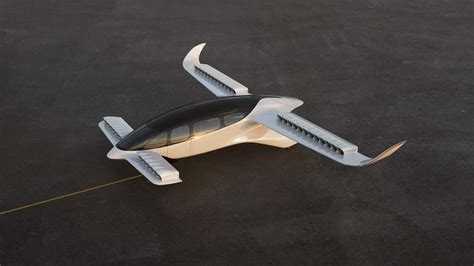
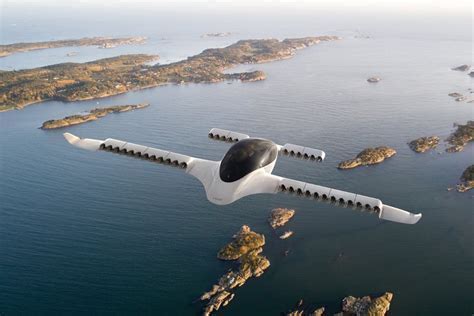
In May 2019, Lilium showcased the Phoenix, a five-seat Lilium Jet prototype, capable of both vertical take-off and horizontal cruise. It was powered by 36 electrically driven jacketed propellers integrated into movable flaps. These flaps tilt during flight, enabling a seamless transition from vertical lift to forward thrust, eliminating the need for traditional fixed wings or rotors.
With a top speed of 300 km/h and an intended range of 300 km, the Lilium Jet was tailored for short to medium-range urban and regional flights. In 2017, the company announced its ambition to introduce a commercial air taxi service based on this jet by 2025. A letter of intent with Switzerland’s SBB railway operator in 2019 demonstrated its vision of integrating air mobility into public transportation systems.
From Prototype to Infrastructure: Strategic Milestones
October 2019 marked the dual milestone of the Lilium Jet’s full vertical-to-horizontal flight demonstration and the completion of its first manufacturing facility. A year later, in November 2020, the company entered a partnership with Tavistock Development Company to build a $25 million vertiport in Lake Nona, Orlando, laying the groundwork for its operational network in the U.S.
Financing and Global Expansion
To fuel its expansion, Lilium launched aggressive funding campaigns. In September 2017, it raised $90 million in a major investment round. Between 2018 and 2019, the company brought on board top talent like Frank Stephenson (former BMW designer), Arnd Mueller (VP Marketing), Yann de Vries (Corporate Development), and Carlos Morgado, former CTO of Just Eat, who led Lilium’s software engineering base in London.
In March 2020, Lilium secured $240 million in funding led by Tencent, alongside Atomico, Freigeist, and LGT. This was followed by a landmark move in 2021 when the company went public through a SPAC merger, listing on NASDAQ on 15 September 2021 under the name Lilium N.V.

Strategic Partnerships and Fleet Agreements
Lilium strengthened its supply chain and technology backbone through a strategic partnership with Honeywell, which would provide critical avionics systems. During the same period, Tom Enders, former Airbus CEO, joined the company’s board, further enhancing its aerospace credentials.
One of the most promising commercial developments came in August 2021, when Azul Brazilian Airlines signed a letter of intent to purchase 220 seven-seat Lilium Jets, signaling growing international confidence in the platform.
Mounting Losses and Insolvency
Despite its technological achievements and funding milestones, Lilium struggled with soaring development costs and persistent losses. By 2020, the company had recorded a €188 million loss, and by 2021, it reported a cash outflow of €217 million, even though liquidity stood at €400 million.
In 2022, the situation worsened with a first-half loss of €123.7 million, and a cumulative loss since inception reaching €841 million. Despite securing $119 million in November 2022, the company projected a $540 million capital gap through 2025.

Throughout 2023, efforts to stabilize the company continued. A €227 million capital increase in May, including another $100 million from Tencent, followed by a $192 million increase in July, kept operations afloat. However, the year closed with an annual loss of €263 million, bringing total losses to €1.359 billion by March 2024.
Even a July 2024 deal with Saudia Group to purchase 50 Lilium Jets, with options for 50 more, couldn’t prevent the unraveling. In October 2024, after a failed attempt to secure a €50 million loan from the Bavarian government, the board approved self-administration proceedings for its German subsidiaries. The company ceased operations in December 2024, laying off nearly 1,000 employees.
Acquisition and Rebirth Under New Ownership
Just days after shutdown, on 24 December 2024, a consortium led by Mobile Uplift Corporation GmbH announced the acquisition of key assets of Lilium. Out of 1,000 lost jobs, 775 positions would be retained. By January 2025, the new owners declared a €200 million investment commitment to finance Lilium’s return to the skies.
However, in February 2025, an internal memo revealed the company had once again filed for insolvency. The promised investment from Marian Boček failed to materialize, casting uncertainty over Lilium’s second chance at survival.
Controversy and Technical Skepticism
Lilium’s technical claims were not without scrutiny. In January 2020, German aviation magazine Aerokurier and four aerospace academics questioned whether Lilium’s performance projections were achievable. They highlighted issues like hover drive efficiency, estimated at 20%. Lilium strongly refuted these claims, arguing industry comparisons failed to recognize the aircraft’s design innovations.
In February 2021, Forbes published a report citing several former employees who alleged that flight tests were facing major hurdles. These publicized doubts added pressure on an already strained R&D operation, despite Lilium’s rebuttals and continued technical enhancements.
Awards and Global Recognition
Amid financial and technical headwinds, Lilium received multiple awards that validated its design and leadership vision:
- 2018: Silver Stevie Award for Management Team of the Year – Industrial Goods
- July 2019: Red Dot “Best of the Best” Design Concept Award for the Lilium Jet
- 2019: Ranked #2 in LinkedIn Germany’s Top Startups
- 2021: IF Gold Award in the Professional Concept category
- 2024: Named Design Team of the Year by eVTOL Insights’ Global Advanced Air Mobility Awards
Conclusion: A Company That Dared to Dream
Lilium Aerospace GmbH stands as one of the most ambitious ventures in the 21st-century aerospace sector. Its story is a compelling fusion of innovation, risk-taking, and strategic partnerships that pushed the limits of urban air mobility. While financial instability and overreaching promises hindered its trajectory, the technology pioneered by Lilium has undoubtedly influenced the global eVTOL movement.
Whether through revival under new leadership or as a case study in the challenges of aerospace startups, Lilium’s legacy continues to echo across the electric skies it aimed to conquer.