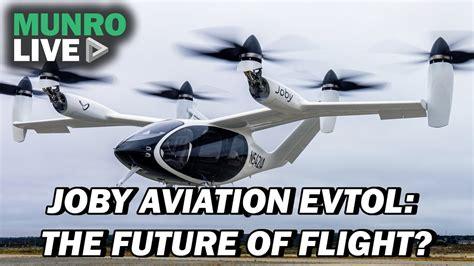
Joby Aviation is at the forefront of one of the most exciting and transformative sectors in modern aviation: electric vertical takeoff and landing (eVTOL) aircraft. Founded in 2009, the company has made incredible strides in reshaping urban air mobility and positioning itself as a key player in the emerging air taxi industry. Based in Santa Cruz, California, Joby Aviation’s groundbreaking electric aircraft promises to revolutionize the way we travel, making short-distance air travel more accessible, efficient, and environmentally friendly.
A Vision for the Future of Air Mobility
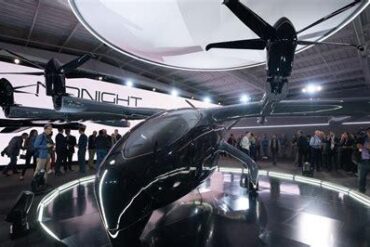
From its inception, Joby Aviation has focused on creating sustainable air mobility solutions that address key challenges in traditional aviation, such as noise, emissions, and inefficiency. The company’s vision centers around the development of a highly advanced eVTOL aircraft that can travel up to 150 miles on a single charge, at speeds of up to 200 mph. Unlike conventional aircraft, Joby’s eVTOL is designed to take off and land vertically, similar to a helicopter, and then transition to a horizontal flight like a fixed-wing plane. This technology allows the aircraft to operate in urban environments, where space for traditional runways is limited.
A Company Built on Innovation
Joby Aviation was founded on September 11, 2009, by JoeBen Bevirt, a serial entrepreneur who had previously sold companies such as Velocity11 and GorillaPod. Bevirt’s vision was to create a new class of aircraft that could not only reduce the environmental impact of aviation but also bring greater efficiency to short-haul travel. From the start, the company focused on exploring various components essential for electric aviation, including electric motors, flight software, and lithium-ion batteries.
In the early years, Joby’s engineers worked tirelessly to refine and test different designs, including the development of prototypes for their eVTOL aircraft. These efforts were bolstered by partnerships with NASA, through participation in projects such as X-57 Maxwell and LEAPTech, which allowed Joby to further test the potential of electric-powered aviation.
The Evolution of the S2 Aircraft
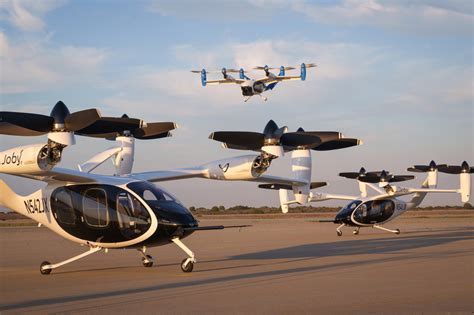
Joby’s first major breakthrough came with the creation of the S2, a prototype eVTOL aircraft that featured eight tilting propellers along the leading edge of its wings and additional propellers mounted on the tail. This design allowed for vertical takeoff and landing capabilities while providing the necessary thrust for horizontal flight. The S2 was an ambitious prototype, but the company’s engineers quickly realized that improvements were necessary to make the aircraft more efficient and capable of carrying passengers in urban environments.
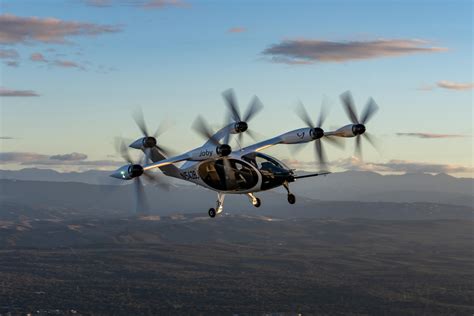
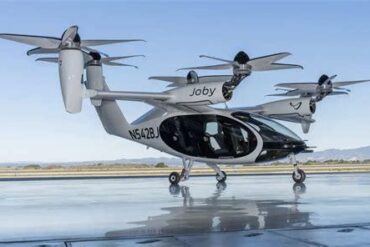
By 2015, Joby had shifted its focus to a new, more refined configuration featuring six rotating propellers that promised greater stability and performance. This design laid the foundation for the current S4 aircraft, the model that will eventually serve as the backbone of Joby’s air taxi fleet.
Key Milestones and Partnerships
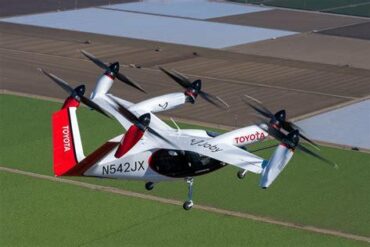
As Joby Aviation moved closer to commercializing its eVTOL aircraft, it secured substantial funding and formed strategic partnerships with industry giants such as Toyota Motor Corporation and Uber. In 2018, Joby completed a $100 million Series B funding round, with investments from Toyota AI Ventures, Intel Capital, and other major players in the tech and aviation sectors. This funding helped accelerate the development of Joby’s aircraft, as well as the establishment of a production facility in Marina, California.
In 2020, Joby Aviation made a significant move by acquiring Uber Elevate, Uber’s air taxi division, which provided the company with the necessary tools and expertise to accelerate its commercial launch. The acquisition also provided Joby with a ready-made platform for its future air taxi service, allowing it to offer on-demand air mobility solutions.
In addition to securing investments, Joby has also earned recognition from aviation regulators. In 2023, Joby’s aircraft received FAA approval for flight tests, signaling that the company is one step closer to bringing its eVTOL technology to market. Joby aims to receive full certification by 2025, with its air taxi service expected to begin operations in the coming years.
The Joby Aircraft: Key Features and Specifications
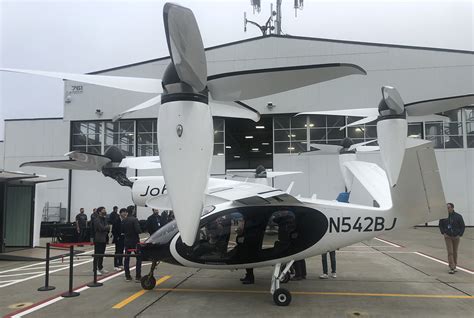
Joby’s eVTOL aircraft is designed to meet the rigorous demands of urban air mobility, combining efficiency, performance, and sustainability. Here are some of the key features that make Joby’s aircraft stand out:
- Vertical Takeoff and Landing: The aircraft’s ability to take off and land vertically makes it ideal for urban environments with limited space for traditional runways.
- Electric Power: Joby’s aircraft is fully electric, producing zero emissions and significantly reducing the environmental impact of air travel.
- Noise Reduction: The aircraft is designed to be 100 times quieter than conventional helicopters during takeoff and landing, minimizing noise pollution in cities.
- Speed and Range: The aircraft can travel up to 150 miles on a single charge, with a top speed of 200 mph, making it ideal for short to medium-haul trips.
- Capacity: The aircraft is designed to carry four passengers and a pilot, with a maximum payload capacity of 1,000 pounds.
These features make Joby’s aircraft a promising solution for the growing demand for urban air mobility and the future of on-demand air taxi services.
The Role of Hydrogen in Joby’s Future
In addition to its electric-powered eVTOL aircraft, Joby has made significant strides in exploring hydrogen-powered aviation. In April 2022, Joby acquired H2Fly, a pioneering company in hydrogen aviation technology. This acquisition marked a key step in Joby’s efforts to develop a hydrogen-electric powertrain for its eVTOL aircraft.
In 2024, Joby’s hydrogen-powered eVTOL aircraft achieved a 523-mile non-stop flight, setting a new record for the range of its battery-powered counterpart. The aircraft was powered by a hydrogen fuel cell system developed by H2Fly, which provides power to the aircraft’s six electric rotors. The addition of hydrogen power not only increases the aircraft’s range but also enhances its sustainability by producing zero emissions (the only byproduct is water vapor).
This shift toward hydrogen-electric power represents a major milestone in Joby’s long-term strategy to further reduce the environmental impact of air travel and increase the efficiency of its aircraft. It also positions Joby as a leader in next-generation aviation technologies, capable of leveraging both electric and hydrogen power for greater performance and sustainability.
The Future of Joby Aviation
Joby Aviation is quickly becoming a household name in the emerging field of urban air mobility. With its innovative eVTOL aircraft, strategic partnerships, and regulatory approvals, the company is on track to change the way people think about short-distance air travel. By 2025, Joby’s air taxi service will likely be a common sight in major cities around the world, offering passengers a faster, more sustainable alternative to ground-based transportation.
Joby is also expanding its operations internationally, with its first air taxi service planned for South Korea in late 2024 as part of the K-UAM Grand Challenge. This global expansion will position Joby as a leader in the worldwide air taxi market and create new opportunities for urban mobility in other regions.
With its cutting-edge technology, strong financial backing, and commitment to sustainability, Joby Aviation is well-positioned to revolutionize the aviation industry and lead the way toward a new era of air mobility.