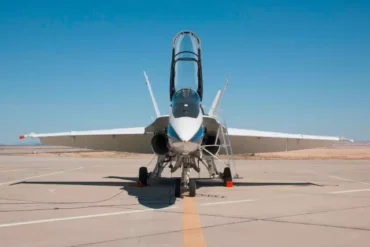
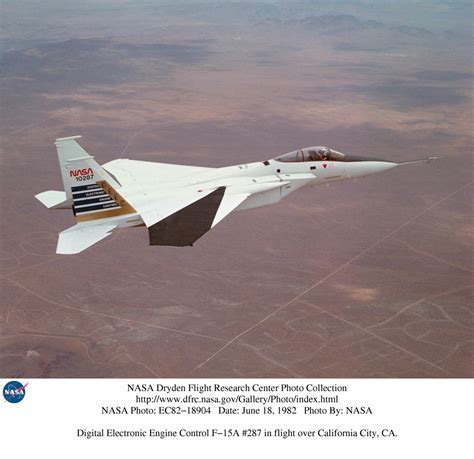
The F-15 Eagle, one of the most formidable air superiority fighters ever developed, has played a pivotal role in aviation history. Beyond its battlefield dominance, the F-15 has been extensively utilized by NASA for cutting-edge aeronautical research. NASA’s experimental programs, particularly those involving the F-15 S/MTD and F-15 ACTIVE, have pushed the boundaries of flight technology, influencing modern fighter jet development and commercial aviation.
F-15 S/MTD: Pioneering Short Takeoff and Advanced Maneuvers
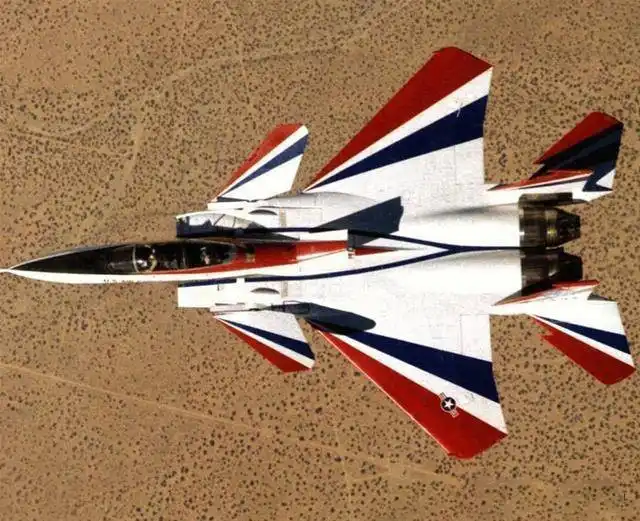
NASA’s Short Takeoff and Landing/Maneuver Technology Demonstrator (S/MTD) was one of the first major experimental programs involving the F-15. This aircraft, modified in collaboration with McDonnell Douglas, tested several revolutionary technologies designed to enhance agility and reduce runway requirements.
Key Modifications
- Canard Foreplanes: Derived from an F/A-18’s horizontal stabilizers, these forward-mounted wings improved lift and maneuverability, allowing for shorter takeoff distances and greater stability at high angles of attack.
- 2D Thrust Vectoring Nozzles: The Pratt & Whitney F100-PW-229 engines were equipped with vectoring nozzles, enabling directional thrust control and unparalleled maneuverability.
- Fly-by-Wire Flight Control: Advanced digital flight control systems optimized aircraft stability, allowing for rapid, precise adjustments in extreme flight conditions.
These innovations enabled the F-15 S/MTD to perform maneuvers impossible for standard F-15 variants, such as sustained controlled flight at extreme angles of attack and ultra-short landings.
F-15 ACTIVE: Advancing Flight Control Technologies
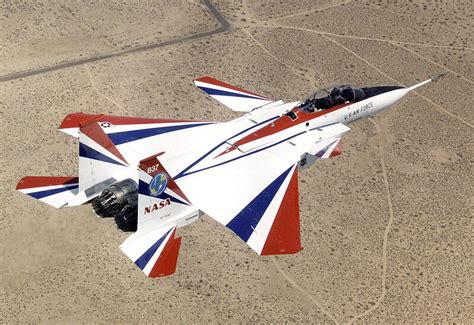
Building on the success of the S/MTD, NASA initiated the Advanced Control Technology for Integrated Vehicles (ACTIVE) program. This initiative sought to explore the potential of three-dimensional (3D) thrust vectoring and next-generation flight control algorithms.
Technological Breakthroughs
- 3D Axisymmetric Nozzles: Unlike the 2D nozzles used in the S/MTD program, the ACTIVE variant introduced full 3D thrust vectoring, enhancing yaw, pitch, and roll control.
- AI-Driven Adaptive Flight Control: By integrating artificial intelligence-based stability augmentation systems, the ACTIVE program allowed the aircraft to dynamically adjust control surfaces and thrust vectoring in real-time.
- Supercritical Wing Research: NASA utilized the F-15 to study supercritical wing shapes, reducing transonic drag and improving efficiency in both military and commercial aviation.
These modifications transformed the F-15 ACTIVE into one of the most agile fighter testbeds ever flown, directly influencing aircraft like the F-22 Raptor and conceptual designs for future sixth-generation fighters.
Thrust Vectoring: Revolutionizing Fighter Agility
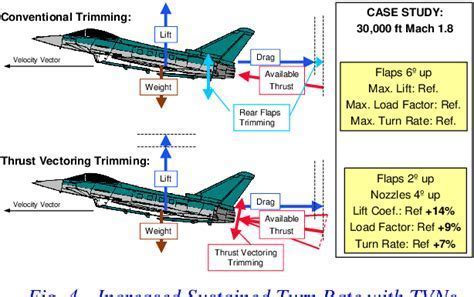
One of the most critical aspects of NASA’s F-15 experimental programs was the development of thrust vectoring technology. Traditional fighters relied solely on aerodynamic control surfaces such as rudders and ailerons. However, thrust vectoring allowed for control independent of airspeed and traditional aerodynamic constraints.
Types of Thrust Vectoring Tested
- 2D Prandtl-D Nozzles: Enabled precise pitch control at extreme angles of attack.
- 3D Axisymmetric Nozzles: Allowed for full directional thrust control, improving post-stall maneuverability and evasion techniques.
The F-22 Raptor later adopted lessons learned from these tests, integrating thrust vectoring nozzles for unmatched aerial dominance.
Supercritical Wing Studies and Commercial Aviation Impact
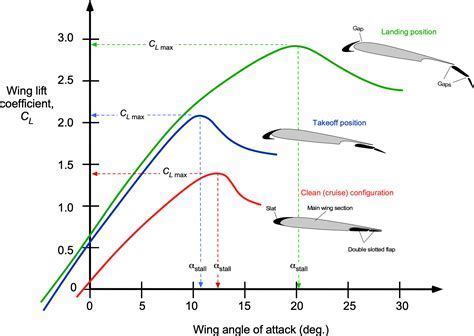
Beyond military applications, NASA utilized modified F-15s to research supercritical wing designs, which significantly improved transonic aerodynamics.
Benefits of Supercritical Wings
- Reduced Drag: Improved airflow efficiency, decreasing fuel consumption.
- Increased Lift-to-Drag Ratio: Enhanced performance in both military and commercial aviation.
- Incorporation into Passenger Aircraft: Concepts tested on the F-15 influenced modern airliner designs, including Boeing and Airbus models.
These experiments showcased how military testbeds like the F-15 Eagle could contribute to broader aerospace advancements.
The Legacy of NASA’s F-15 Programs
The F-15 ACTIVE and S/MTD programs demonstrated that experimental fighter platforms could introduce game-changing technologies. While not all modifications—such as canards—were adopted for production fighters, their influence on aircraft such as the X-31, F-22, and sixth-generation concepts is undeniable.
Why Canards Were Not Widely Adopted
Despite the benefits of canard configurations, the U.S. military ultimately prioritized stealth and simplicity. Canards, while enhancing maneuverability and lift, also:
- Increased radar cross-section, making aircraft more detectable.
- Added weight and maintenance complexity.
- Required advanced control software to manage pitch authority effectively.
However, NASA’s insights informed stealth-optimized airframe designs and AI-driven flight control solutions, shaping the next generation of fighters.
FAQs About NASA’s F-15 Experiments
1. What was the primary goal of the F-15 S/MTD program?
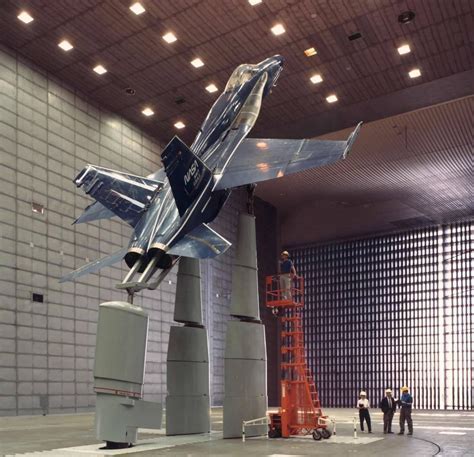
The F-15 S/MTD was designed to test advanced maneuverability enhancements such as thrust vectoring and canard wings to improve short takeoff and landing capabilities. These experiments directly influenced future fighter jet designs.
2. How did the F-15 ACTIVE program contribute to modern fighter technology?
NASA’s F-15 ACTIVE tested 3D thrust vectoring, AI-driven flight controls, and supercritical wing designs, many of which were later integrated into the F-22 Raptor and research for sixth-generation aircraft.
3. Why didn’t the U.S. military adopt canards for production F-15s?
While canards improved lift and maneuverability, they also increased radar visibility and added maintenance complexity. The U.S. military prioritized stealth and simplicity, leading to the exclusion of canards in operational fighters.
The F-15 Eagle’s role in NASA’s experimental programs remains a testament to the aircraft’s versatility and the agency’s commitment to aerospace innovation. These groundbreaking tests continue to shape fighter technology, ensuring that future air superiority platforms benefit from decades of research and development.