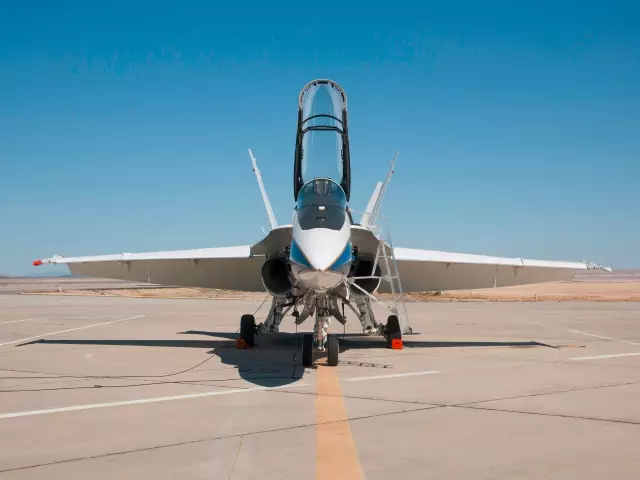
The F/A-18 Hornet, a versatile multi-role fighter, has served not only as a frontline combat aircraft but also as a crucial research platform for NASA. Over the years, NASA has leveraged modified F-18 aircraft to conduct groundbreaking studies in high-angle-of-attack flight, sonic boom reduction, adaptive wing technology, and spaceflight support. These efforts have significantly contributed to aerospace advancements, influencing both military and civilian aviation.
High-Angle-of-Attack Flight Research
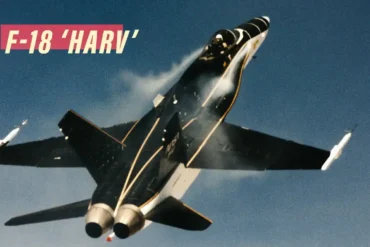
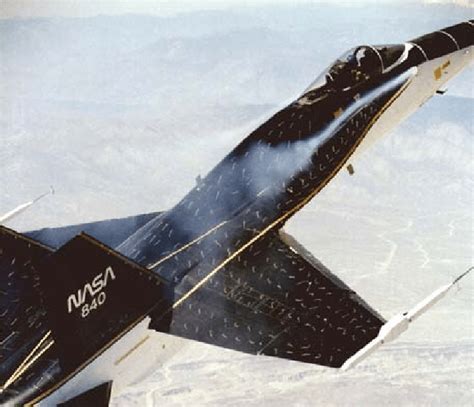
NASA acquired eight F/A-18A and one F/A-18B to study aerodynamics under extreme flight conditions. Among these, the F-18 HARV (High Alpha Research Vehicle) was extensively modified to explore flight at angles exceeding 55 degrees. Such research surpassed conventional fighter jet limits, offering invaluable data on stall recovery, maneuverability, and flight control algorithms. These insights have informed modern fighter aircraft designs, improving stability and agility in combat scenarios.
Sonic Boom and Supersonic Flight Testing
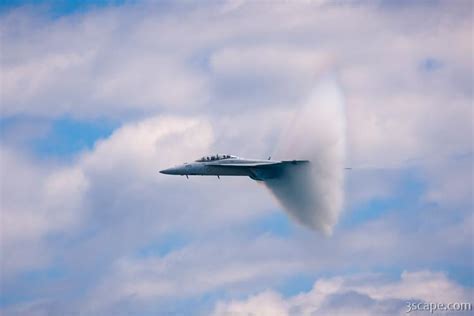
NASA used the F/A-18 in its SonicBAT (Sonic Boom Atmospheric Turbulence) project, conducted at the Kennedy Space Center in Florida. These tests aimed to evaluate how atmospheric turbulence affects sonic boom propagation. By comparing data from dry (Edwards Air Force Base) and humid (Florida) environments, researchers refined noise-reduction models for future low-boom supersonic aircraft, such as the X-59 QueSST.
During the tests, F-18 aircraft flew at Mach 1.8, generating sonic booms recorded by ground-based microphone arrays and airborne sensors. This research has been instrumental in advancing quiet supersonic transport technology, potentially paving the way for next-generation supersonic commercial airliners.
Adaptive Wing Technology (SAW Project)
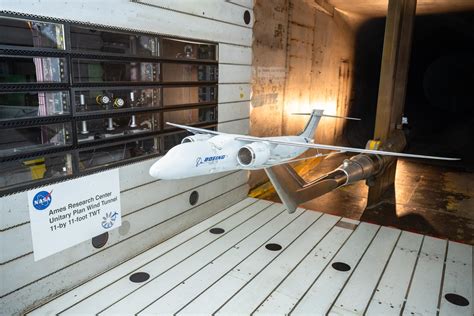
In collaboration with Boeing, NASA explored Shape Adaptive Wings (SAW) technology on the F/A-18, aiming to revolutionize aircraft efficiency. Utilizing shape memory alloys (SMA), researchers developed actuators capable of dynamically folding wing sections mid-flight without traditional hydraulic systems.
A 2018 experiment demonstrated a nickel-titanium-hafnium actuator successfully folding a 300-pound wing segment by 90 degrees. The implications of this technology include reduced aircraft weight, improved fuel efficiency, and enhanced carrier deck storage for naval aviation. Future applications may extend to variable-sweep wings, optimizing aircraft aerodynamics across diverse mission profiles.
Escort and Spacecraft Test Support
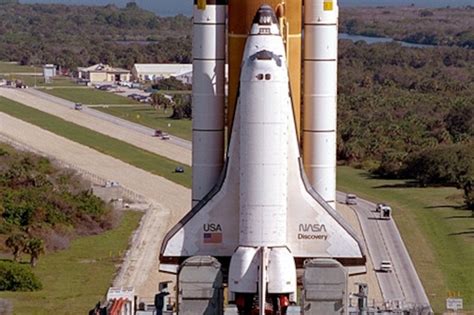
Beyond aeronautical research, the F/A-18 has served as a chase aircraft for spacecraft re-entry and high-speed aerodynamics testing. Its role in observing space shuttle landings has been critical in assessing thermal protection system integrity during atmospheric re-entry.
The F-18’s agility and high-speed chase capabilities make it an ideal platform for real-time monitoring of experimental space vehicles. NASA has also employed the F-18 for pilot training, ensuring proficiency in handling high-speed and high-G environments essential for future space exploration missions.
Night Vision and Avionics Systems Validation
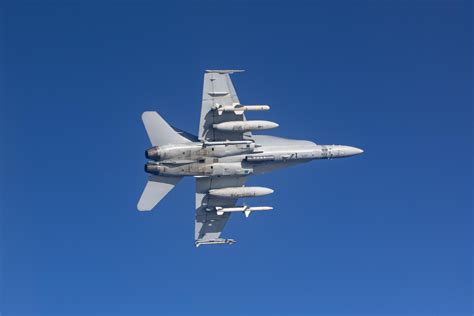
NASA adapted F/A-18D reconnaissance variants (F/A-18D(RC)) to evaluate night vision and advanced avionics. By replacing the onboard cannon with electro-optical sensors and data-link pods, engineers tested real-time image transmission and low-light surveillance capabilities.
These trials enhanced the development of next-generation tactical reconnaissance systems, supporting military intelligence gathering and situational awareness technologies. The research also influenced civilian applications, including search-and-rescue operations and autonomous drone navigation.
Conclusion
NASA’s modification and testing of F-18 aircraft have propelled advancements in aerodynamics, supersonic flight, adaptive structures, and avionics. The research has directly contributed to the development of low-boom supersonic jets, smart materials, and enhanced flight control systems. By leveraging the F/A-18 platform, NASA continues to push the boundaries of aerospace technology, ensuring that both military and civilian aviation remain at the forefront of innovation.
FAQ
What was the purpose of NASA’s F-18 High-Angle-of-Attack Research?
NASA’s F-18 HARV project explored flight at extreme angles of attack, exceeding 55 degrees. This research provided crucial data for stall recovery techniques, maneuverability improvements, and advanced flight control algorithms, influencing the design of next-generation fighter jets.
How did NASA use the F-18 for supersonic research?
NASA employed F-18 aircraft for sonic boom analysis, particularly in the SonicBAT project. These tests helped refine noise-reduction models, aiding the development of quiet supersonic aircraft such as the X-59 QueSST, which aims to make supersonic travel viable over land.
What is adaptive wing technology, and why is it important?
NASA’s Shape Adaptive Wing (SAW) project demonstrated wing morphing technology using shape memory alloys. This advancement allows aircraft to dynamically adjust wing configurations, reducing weight, enhancing fuel efficiency, and improving carrier deck storage for naval aviation. Future applications could include variable-sweep wings for optimal aerodynamics.