We present a comprehensive analysis of the Emirates Business Class experience, grounded in real passenger insights and recurring themes shared across frequent-flyer discussions. This research-driven review explores seat design, accessibility, cabin architecture, lounges, soft-product consistency, and the evolving expectations of modern premium travelers. The goal is to provide a richly detailed, deeply informative resource that reflects true passenger sentiment while highlighting areas where Emirates continues to excel and where customers believe meaningful refinement is needed.
Emirates has long cultivated an image of global luxury, positioning Business Class as a harmonious blend of elevated service, distinctive cabin branding, and high-touch amenities. Much of the airline’s reputation is anchored in the A380, a flagship aircraft beloved for its spacious layout, upper-deck cabin configuration, and celebrated onboard lounge. Passengers describe this aircraft as a signature Emirates environment, where the seat, cabin, and social spaces work together to create a long-haul experience that feels genuinely premium.
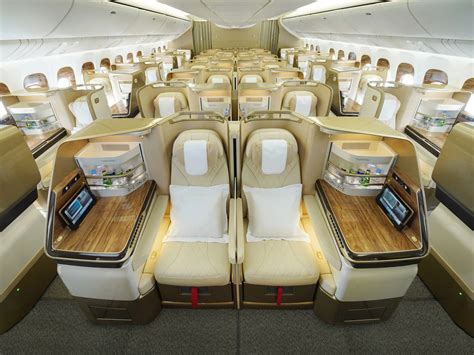
At the center of the airline’s challenge is balancing a mixed fleet—particularly the aging 777 configurations—with consistently high expectations. While the flagship A380 tends to delight, the 777’s older Business Class layouts continue to generate friction, especially among passengers paying full fare or performing long-distance trips. These contrasting experiences shape a large part of the ongoing conversation.
Seat Architecture: Passenger Priorities and Fleet Discrepancies
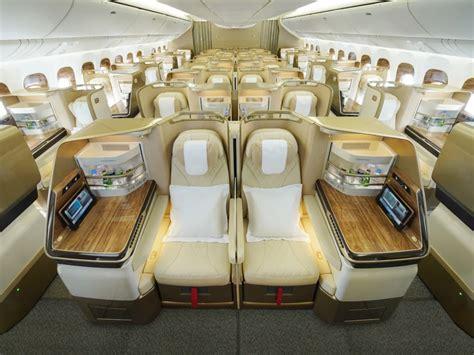
The most persistent feedback revolves around seat layout differences across Emirates aircraft. The A380 generally receives praise for its 1-2-1 configuration, direct aisle access, and sense of privacy (particularly in the coveted A and K seats). Travelers appreciate the wide footwell, generous side storage, and expansive seat width. Many highlight that the lie-flat bed is comfortable for long stretches, though a few note that one armrest does not fully retract when in bed mode, limiting the width slightly.
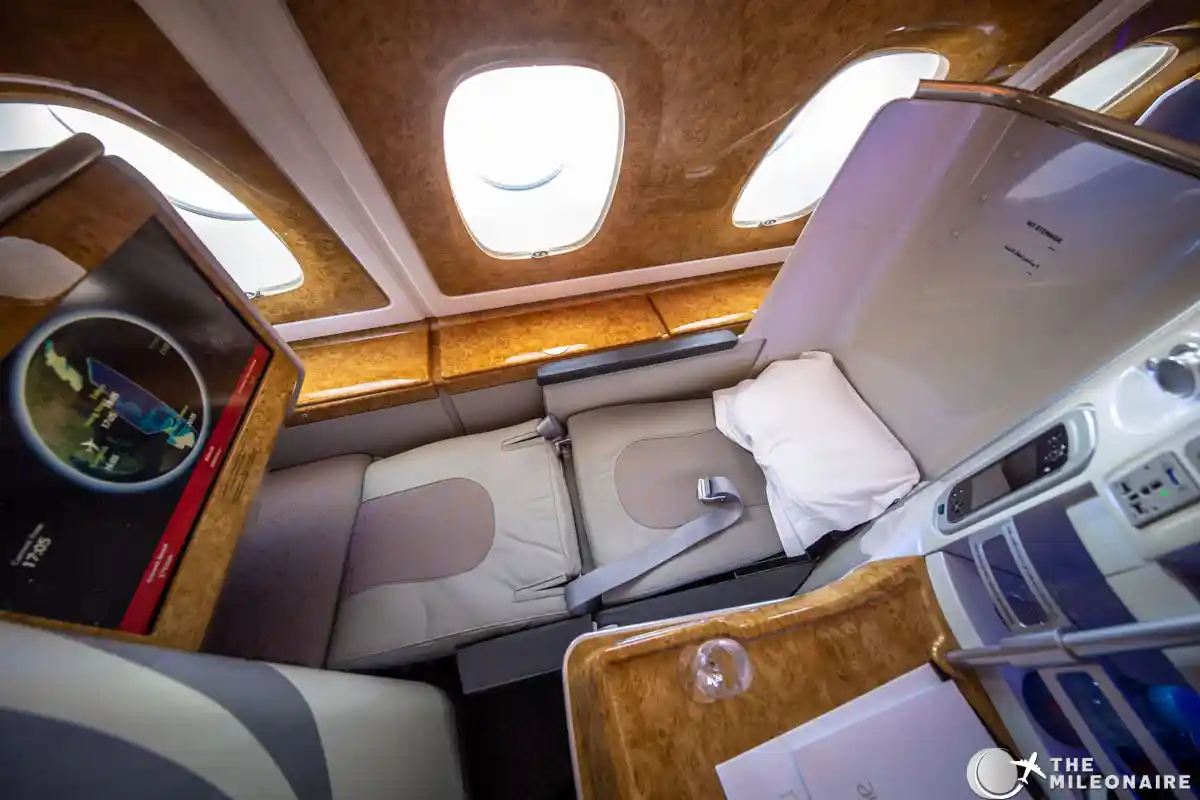
The older 777 configuration—still present on a notable number of routes—remains a point of contention. The 2-3-2 layout is widely regarded as uncompetitive, with many describing it as outdated for a premium product. Passengers frequently cite:
- Insufficient privacy.
- Middle seats being undesirable and inappropriate for Business Class pricing.
- Limited ability to navigate over other passengers when sleeping.
- Angle-flat or non-fully-flat seats on some older frames.
The newly refurbished 777 interiors, featuring 1-2-1 seating, are viewed far more favorably. They offer the structure and privacy modern travelers expect, with sleeker finishes and improved in-seat technology. Travelers flying as couples occasionally prefer the 2-seat placements in the older 777s, but the consensus strongly leans toward the newer 1-2-1 configuration for both comfort and functionality.
Accessibility and Mobility: A Key Area for Further Development
Passengers with mobility considerations emphasize the need for smoother logistical support beyond ground assistance. While Emirates’ airport staff are generally proactive, concerns arise around:
- In-cabin wheelchair boarding procedures.
- Occasions where extremely large numbers of wheelchair requests cause bottlenecks.
- Limited space around some 777 Business Class seats, making entry and exit more difficult.
Travelers suggest clearer definitions of assistance categories, as requests arising from language barriers or unfamiliarity with airport processes may overwhelm resources intended for passengers with genuine mobility needs.
The A380 Lounge: A Defining Feature Worth Preserving
The onboard lounge on the A380 is consistently praised as a unique and emotionally memorable element of the Emirates brand. Passengers enjoy the chance to break up long flights, stand or stretch comfortably, and socialize casually in a space that feels both welcoming and indulgent. Many refer to it as an essential part of ultra-long-haul comfort, helping reduce the discomfort of sitting or lying down for 15–17 hours.
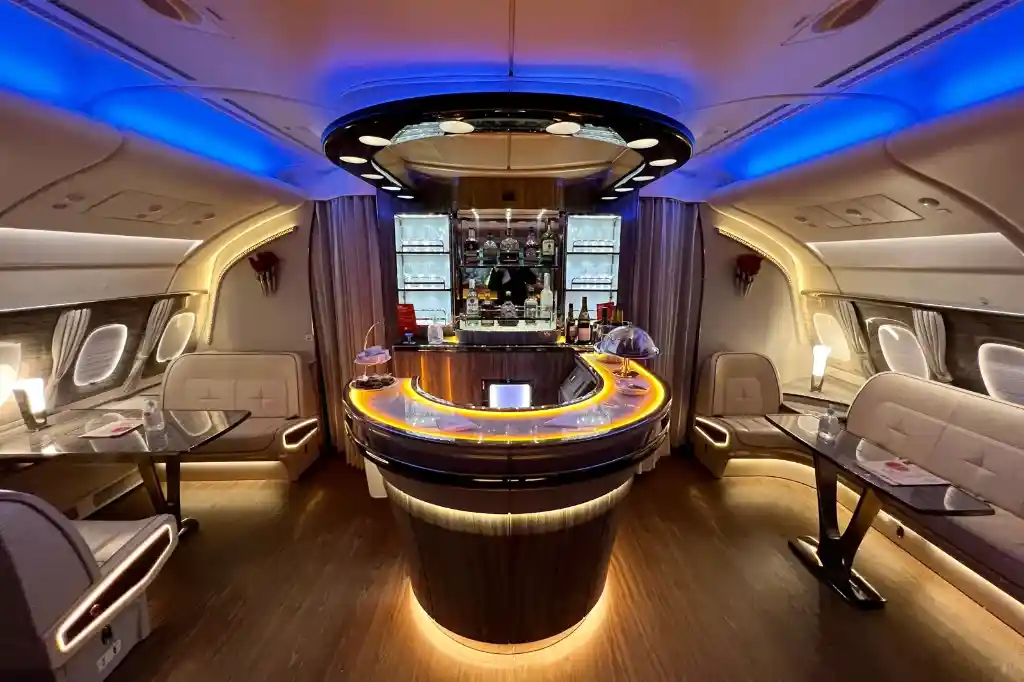
Some travelers argue that every Emirates aircraft—not only the A380—should incorporate at least a small social or standing area to maintain product consistency across the fleet. The absence of such a space on the 777 is often felt acutely on very long sectors.
Storage Solutions: Strengths and Pain Points
Emirates’ A380 Business Class window seats offer notably strong storage, with deep side bins that passengers consistently praise. These bins make the space feel almost suite-like and enable travelers to organize devices, small bags, water, or amenities conveniently.
However, several criticisms appear across multiple user accounts:
- The small compartment lids near A and K seats sometimes pop open.
- Some passengers find the side storage inconvenient to reach during taxi, takeoff, and landing when compartments must remain closed.
- The narrow drawer under the large screen on the 777 can vary in usability depending on the aircraft’s retrofit status.
Requests for additional quick-access spaces—for glasses, an iPad, or a small purse—appear frequently.
Soft Product: Service, Bedding, Amenities, and Consistency
Emirates staff are often praised for attentiveness, warmth, and professionalism, but passengers note that the level of attention becomes less personal when the Business cabin is full. When lightly loaded, service feels more refined; when full, travelers observe longer waits and reduced availability for small requests such as help with bedding or photo taking.
The bedding is described as comfortable but could improve with thicker mattress pads and larger pillows. The pajamas (when offered) receive mixed reviews—some appreciate their comfort, while others describe inconsistent sizing or dated styling.
Amenity kits also spark discussion. Common points include:
- The slipper sizing is suboptimal.
- The tablet provided in older cabins is rarely used and perceived as unnecessary weight.
- Razor, comb, and certain toiletry items feel inexpensive compared to industry-leading kits.
Passengers consistently request a more modern amenity kit presentation and deeper investment in items that genuinely enhance rest and hydration.
Meal Service: Pace, Quality, and the Experiential Gap
Meal service quality is generally rated highly, but timing presents challenges. On routes departing late at night, some passengers report waiting up to two hours for dinner service to begin—time they would rather dedicate to sleeping. As a result, some passengers increasingly choose to eat in the lounge pre-departure.
Food quality can vary, particularly regarding temperature consistency. The mezze platter is a highlight, though travelers note that pita bread can occasionally arrive cold. Beverage selections remain broad, but passengers frequently observe that the in-seat drink cabinet on the A380 offers beverages that are not chilled and rarely used.
Wi-Fi reliability continues improving, but speed still lags behind expectations for premium cabins. USB-C charging—now appearing on refurbished aircraft—is a welcome addition.
Lounges: A Mixed Landscape Between Outstations and Dubai
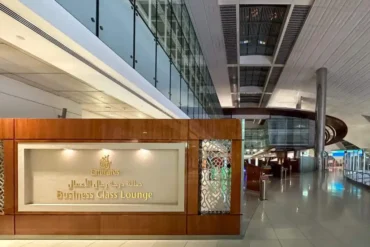
Lounges in cities such as London, Brisbane, Rome, and Bangkok receive mixed but generally positive assessments, with compliments toward food quality and quiet atmospheres. The Dubai Business Class lounge, however, draws more polarized reactions. Many travelers describe it as crowded, loud, and lacking the premium, reflective environment expected of Emirates’ flagship hub.
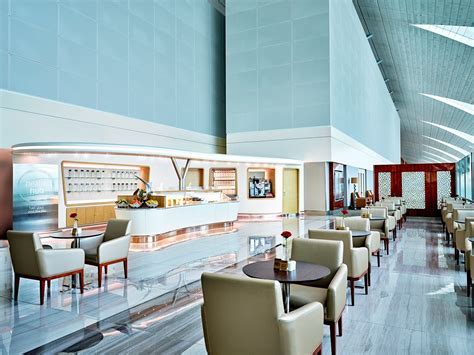
Passengers recommend improvements such as:
- More lounge entry points to reduce excessive walking.
- Better food variety and freshness.
- More bathrooms to minimize lines.
- Enhanced seating zoning to create calm areas.
Cabin Cleanliness and Aging Interiors
Following multiple years of fleet stress and global travel fluctuations, some interiors—especially earlier 777 aircraft—are showing their age. Travelers mention:
- Loose AC sockets.
- Window shades malfunctioning.
- Overhead bins requiring force to close.
- Minor interior components left partially repaired.
These issues don’t diminish core comfort but detract from the overall premium feel. The introduction of the A350 fleet is widely anticipated, as it promises a refreshed, more consistent Business Class standard across long-haul operations.
Cabin Layout Preference and Fleet Planning Considerations
For frequent flyers, aircraft selection increasingly dictates booking decisions. Many passengers openly avoid 777 routes until refits are complete, choosing the A380 or future A350 whenever possible. Some travelers check seat maps or use tools like ExpertFlyer before purchasing tickets.
A number of travelers note that flights to developing markets often receive older 777 frames despite premium pricing. This perceived inconsistency can discourage loyalty among global business travelers.
Looking Forward: What Passengers Value Most in the Premium Market
Across all discussions, several core themes stand out as priorities for future refinement:
- Consistency of Business Class product across the fleet.
- Fully flat seats with direct aisle access for every passenger.
- More intuitive and accessible storage.
- Enhanced bedding for long-haul rest.
- Refreshed amenity kits and pajamas.
- Faster meal service, particularly on late-night departures.
- Stronger charging and Wi-Fi infrastructure.
- A modernized, calmer Dubai Business Class lounge.
- More thoughtful handling of mobility-related boarding procedures.
Emirates continues to deliver a premium experience that many travelers deeply enjoy, especially on the A380. At the same time, customer expectations are evolving rapidly as rival carriers introduce fully enclosed suites, adaptive lighting concepts, and next-generation sleep-oriented seating. Emirates’ ongoing fleet renewal and cabin upgrades will play a crucial role in shaping the next era of its Business Class identity.
The sentiment from passengers is clear: the airline’s strengths in hospitality, branding, and flagship design provide an exceptional foundation. With strategic refinement to cabin consistency and comfort, Emirates is well positioned to maintain and elevate its standing among global premium carriers for years to come.