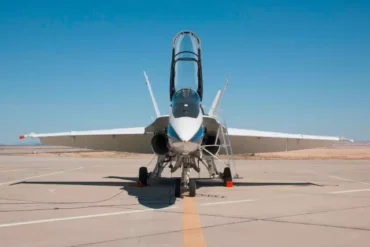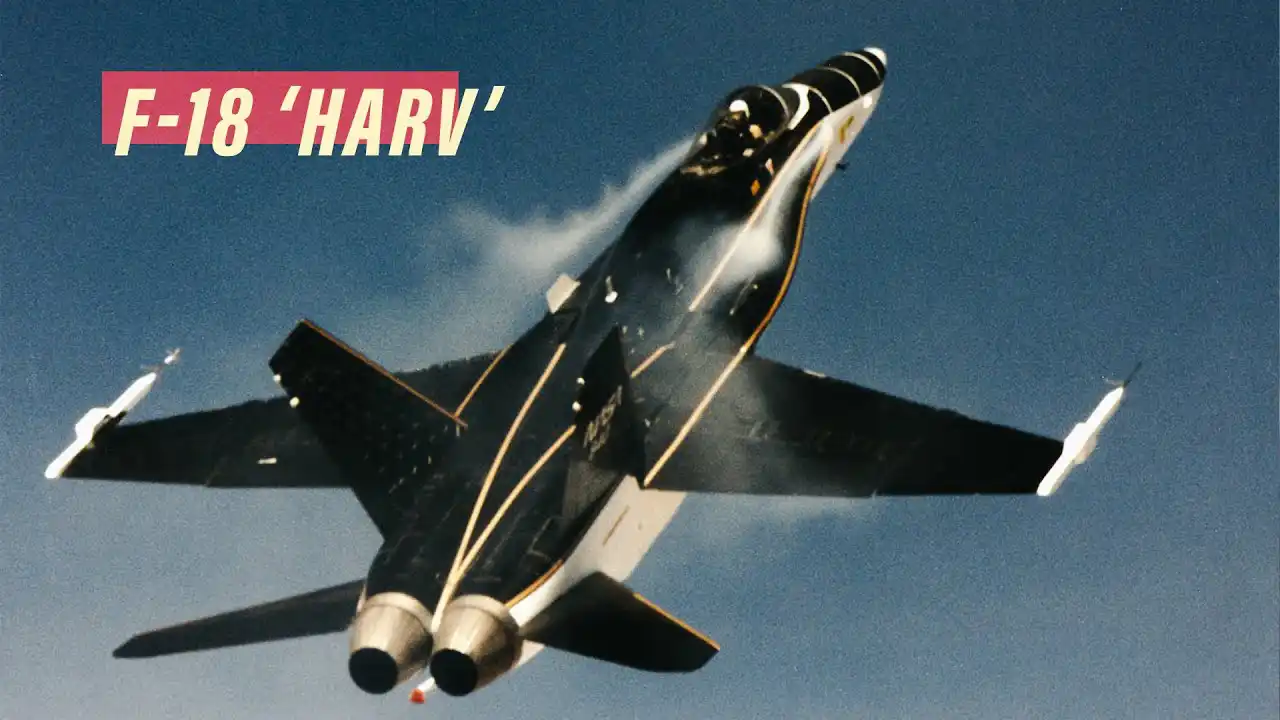
The F-18 HARV (High Alpha Research Vehicle) stands as a pivotal aircraft in the advancement of high-angle-of-attack (AoA) flight dynamics. Developed by NASA from the F/A-18 Hornet, this specialized research platform was instrumental in testing thrust vectoring control systems, high-AoA flight stability, and innovative flight control algorithms. The project, initiated in 1987, pushed the boundaries of traditional fighter jet maneuverability, paving the way for modern fifth-generation aircraft like the F-22 Raptor and F-35 Lightning II.
Development Background and Objectives
The F-18 HARV program aimed to overcome the control limitations imposed by stall angles exceeding 25°, the typical boundary for conventional fighter jets. By extensively modifying the F/A-18, NASA sought to evaluate flight stability at angles up to 70°, generating crucial aerodynamic and control data for future combat aircraft. The research was particularly vital in enhancing dogfight agility, post-stall maneuvering, and next-generation avionics.
Core Technological Upgrades
1. Thrust Vectoring Nozzles
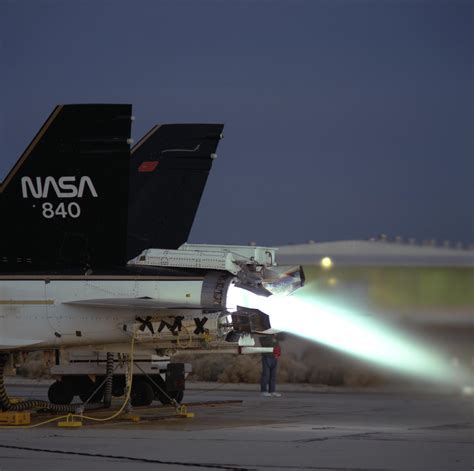
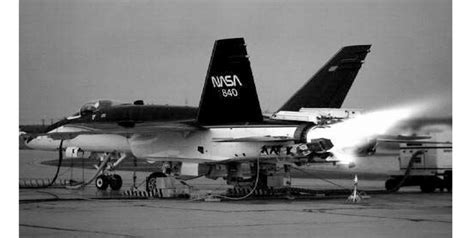
One of the most significant modifications to the F-18 HARV was the installation of axisymmetric thrust vectoring nozzles. These allowed for independent control over pitch, yaw, and roll, granting the aircraft unparalleled maneuverability at high AoA.
- The nozzles, fitted to the General Electric F404-GE-400 engines, provided direct control over airflow direction, improving stability and recovery in extreme flight attitudes.
- This system demonstrated how vectoring technology could complement traditional aerodynamic control surfaces, forming the basis for future supermaneuverable fighters.
2. Nose Strakes for Enhanced Aerodynamics
To combat airflow separation at high AoA, the aircraft incorporated movable nose strakes. These devices, mounted along the forward fuselage, played a key role in manipulating vortex formation, effectively reducing instability at extreme angles.
- The strakes optimized lift-to-drag ratios, enhancing control effectiveness beyond conventional limits.
- Their function was critical in maintaining yaw and pitch stability, influencing future designs like the F-22’s blended body-wing configuration.
3. Advanced Flight Control Software
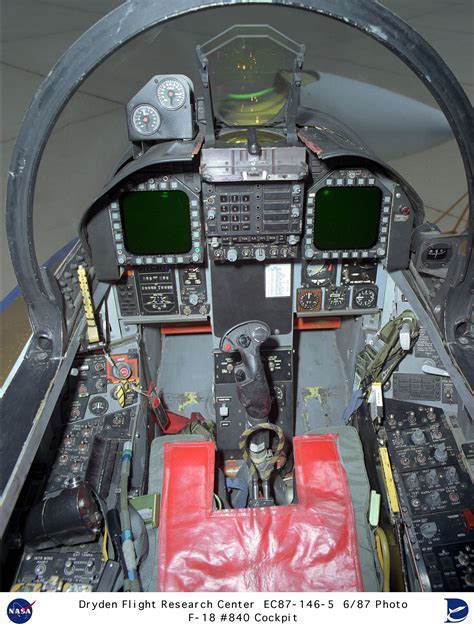
The F-18 HARV featured a custom flight control system (FCS) that integrated thrust vectoring, aerodynamic surfaces, and automated corrections.
- NASA engineers developed algorithms that could synchronize control inputs, ensuring precise post-stall recoveries.
- This system acted as a precursor to modern fly-by-wire (FBW) enhancements in contemporary fighters.
Key Findings and Achievements
1. Expanding the Flight Envelope
The F-18 HARV successfully validated controlled flight at AoA exceeding 55°, reaching 70° in some cases. This milestone greatly surpassed the operational limits of standard fighters, proving that high-angle maneuvering could be feasible and controllable in combat aircraft.
- The findings directly contributed to the supermaneuverability capabilities of aircraft like the Su-35, F-22, and F-35.
- It confirmed that thrust vectoring and advanced aerodynamics could redefine air combat strategies.
2. Validating Thrust Vectoring for Future Fighters
Data collected from F-18 HARV tests were instrumental in shaping the design and operational concepts of fifth-generation fighters.
- The success of thrust vectoring technology was later implemented in the F-22 Raptor’s vectoring nozzles, allowing unparalleled post-stall maneuvering.
- The principles from HARV testing also influenced the F-35B’s short takeoff and vertical landing (STOVL) system.
3. Revolutionizing Air Combat Tactics
The research demonstrated how high-AoA maneuvers, such as the Pugachev’s Cobra, could be integrated into modern dogfighting strategies.
- Post-stall maneuvers enabled fighters to evade missiles and reposition for counterattacks, changing the landscape of air superiority battles.
- Findings suggested that supermaneuverability could counteract stealth disadvantages, enhancing close-range combat effectiveness.
Legacy and Influence
The F-18 HARV program, which concluded in 1994, left an enduring mark on military aviation technology. The aircraft’s findings contributed directly to the development of advanced flight control systems, thrust vectoring integration, and maneuvering doctrines.
- The F/A-18E/F Super Hornet incorporated lessons from HARV’s aerodynamic refinements.
- Modern unmanned combat air vehicles (UCAVs), including DARPA’s X-47B, apply high-AoA control methodologies derived from the HARV’s research.
- It reinforced NASA’s role in pioneering cutting-edge aerodynamics for both manned and unmanned platforms.
Conclusion
The F-18 HARV redefined what was possible in high-AoA flight, setting the stage for modern supermaneuverable fighters. By integrating thrust vectoring, vortex control, and advanced FCS, the program expanded the tactical potential of future air combat. The research continues to influence stealth fighters, UAVs, and next-generation aircraft designs, ensuring that the HARV’s legacy endures in modern aviation.
FAQ
1. Why was the F-18 HARV developed?
The F-18 HARV was developed by NASA to study how fighter aircraft could remain controllable at extreme high angles of attack. The research aimed to improve maneuverability and post-stall handling, benefiting future military aircraft designs.
2. How did thrust vectoring improve the F-18 HARV’s performance?
Thrust vectoring allowed the aircraft to control pitch, yaw, and roll by redirecting engine exhaust flow. This provided enhanced maneuverability beyond what traditional control surfaces could achieve, particularly at high-AoA flight conditions.
3. What modern aircraft benefited from F-18 HARV research?
The F-22 Raptor and F-35 Lightning II both incorporated findings from the HARV program. The F-22’s thrust vectoring system and the F-35’s STOVL capabilities were directly influenced by NASA’s research on high-AoA flight control.