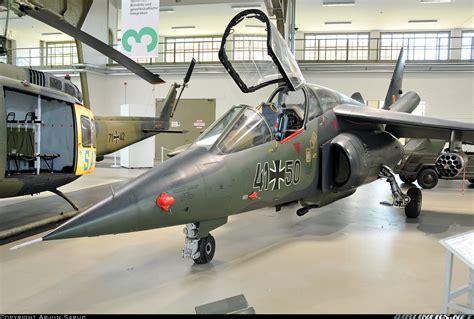
The Dassault/Dornier Alpha Jet remains a milestone in collaborative military aviation, born from Cold War exigencies and built to meet diverging NATO air training and combat needs. A twin-engine, light attack and advanced trainer aircraft, the Alpha Jet has served in more than a dozen nations, evolving through variants while maintaining core design simplicity and reliability.
Initially conceived in the 1960s, the Alpha Jet was a direct answer to the aging fleets of Lockheed T-33 Shooting Stars and Fouga Magisters. European air forces required a modern, jet-powered aircraft that could fill dual roles: for France, a reliable subsonic trainer; for West Germany, a light attack and ground support jet. This mutual need set the stage for a landmark Franco-German defense cooperation.
Cold War Collaboration: Alpha Jet’s Developmental Roots
The journey began with Breguet Aviation, Dassault Aviation (which absorbed Breguet in 1971), and Dornier Flugzeugwerke jointly designing the TA501. Selected in 1970, this design beat out the German VFT-291 and British E.650. Both nations insisted on using the twin SNECMA Turbomeca Larzac turbofan engines to ensure symmetrical training and logistical commonality, but their requirements diverged from there.
Germany envisioned a forward-deployable aircraft with close air support capabilities, while France desired a platform specifically tailored to prepare future Mirage and Jaguar pilots. Production responsibilities were shared: Dassault constructed the forward fuselage and cockpit, Dornier handled the wings, tail, and rear fuselage, and SABCA of Belgium took care of the nose and flaps.
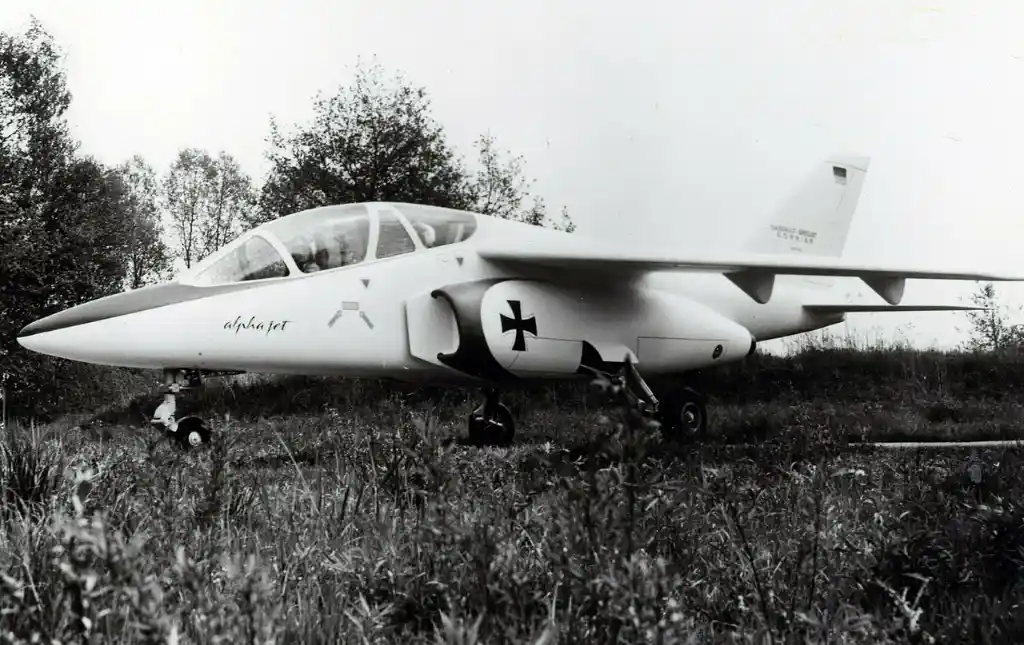
By late 1973, four prototypes were flying—two from each manufacturing partner. In 1977, full production commenced with Dassault’s line producing up to 15 aircraft monthly. Dornier’s factory could handle six monthly units, and early licensed assembly occurred in Egypt under AOI and in the United States under Lockheed branding for potential NATO buyers.
Streamlined Design, Advanced Simplicity
The Alpha Jet’s success lies in its area-ruled, aerodynamically efficient airframe, with fixed leading-edge extensions and straight intakes—simple, rugged, and easy to maintain. Designed with dual hydraulic systems, it provided excellent handling even under combat stress. The ten-minute turnaround capability on the ground made it operationally appealing.
The aircraft could carry up to 4,500 pounds of mixed ordnance across five hardpoints, including rockets, bombs, external fuel tanks, and reconnaissance pods. Notably, the German Alpha Jet A variant featured a centerline-mounted 27 mm Mauser BK-27 cannon, ECM pods, and provisions for reconnaissance gear. The French Alpha Jet E, by contrast, prioritized avionics and training-specific equipment without the same level of strike hardware.
Evolving the Breed: From MS2 to Maritime Variants
In response to growing demand for more advanced battlefield capabilities, Dassault and Dornier continued developing specialized versions. The MS2 variant, flown in 1982, introduced a SAGEM ULISS 81 inertial navigation system, a head-up display (HUD), and a laser rangefinder, expanding its tactical versatility.
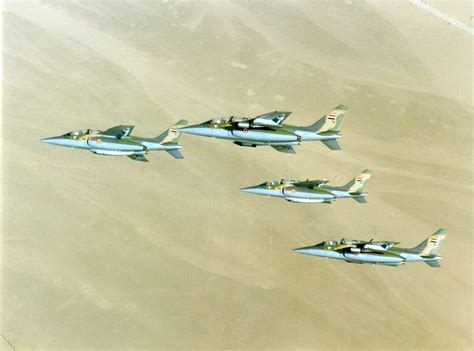
Several proposed but largely experimental configurations also emerged:
- Alpha Jet 2 (NGEA), with upgraded Larzac 04-C20 engines and support for Matra Magic 2 air-to-air missiles.
- Alpha Jet 3 (ATS/Lancier), showcasing digital cockpits with multi-function displays (MFDs), forward-looking infrared (FLIR) sensors, radar integration, and modern countermeasures systems.
- A Maritime 3 variant envisioned for naval aircraft carrier training never saw production but demonstrated the flexibility of the Alpha Jet’s base design.
These evolutionary paths solidified the Alpha Jet’s appeal well beyond just a trainer. It became a compact, agile solution for nations requiring low-cost combat aircraft with multirole adaptability.
Operational History: From Display Teams to Combat Zones
The Alpha Jet made a profound mark across continents, not just in training roles but also in active theaters of conflict.
France
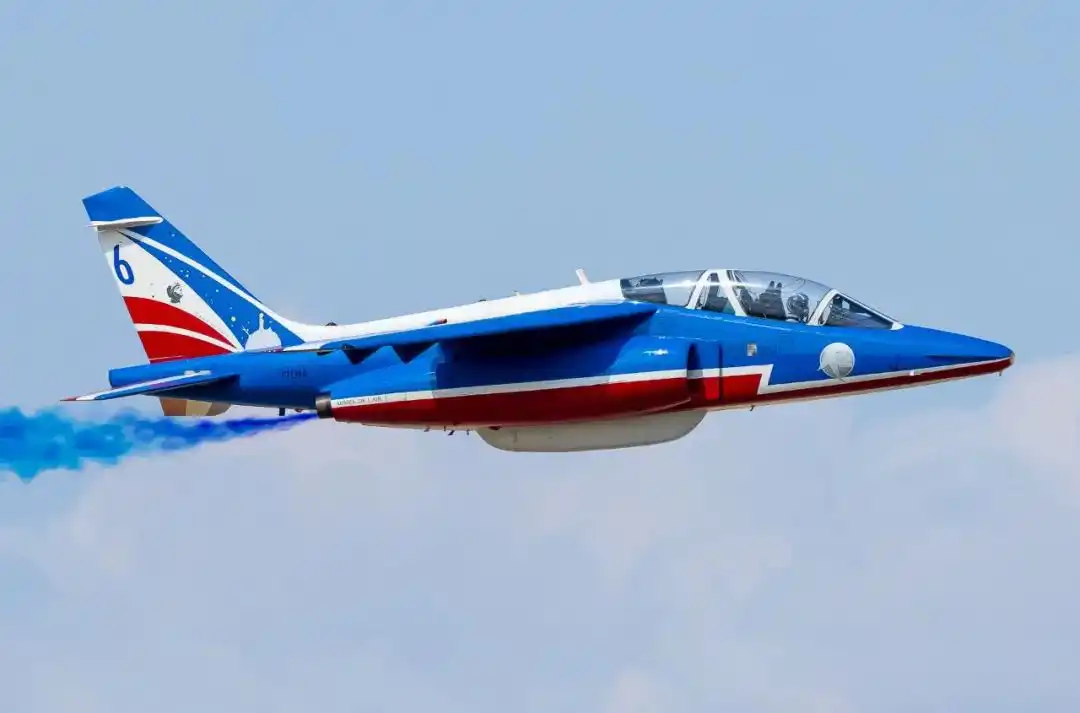
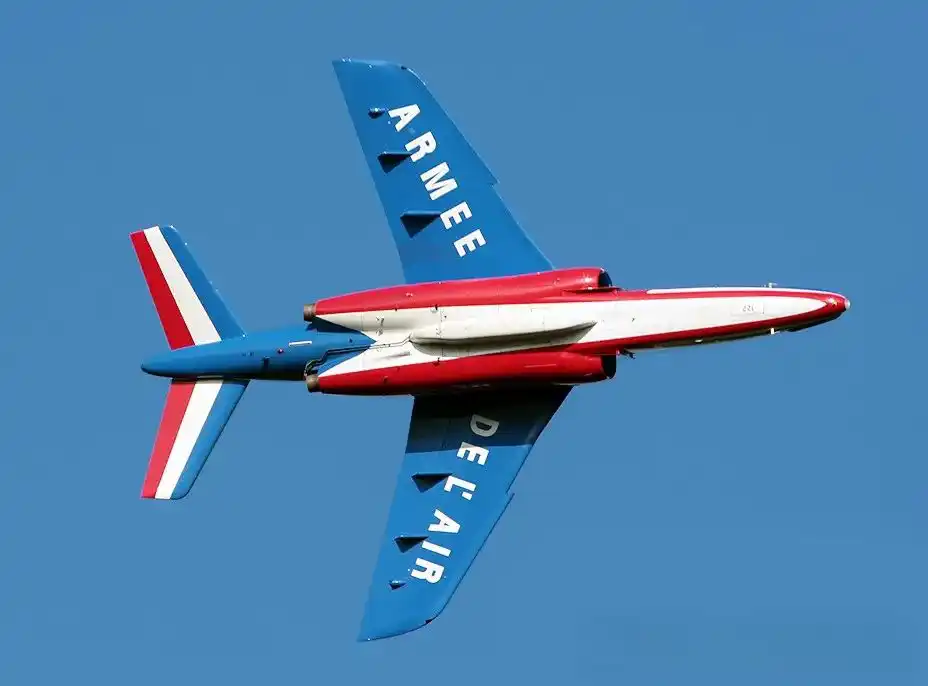
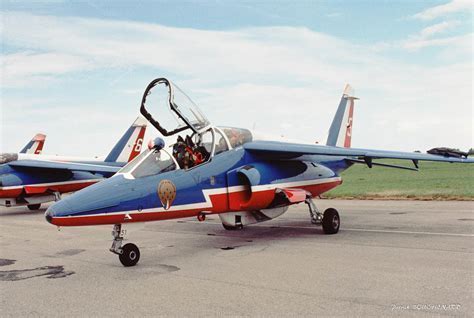
The French Air and Space Force inducted 176 Alpha Jet E aircraft from 1978 onward, replacing a host of older trainers including the Mystère IV A and T-33s. The aircraft quickly gained popularity for its agility and ease of maintenance. Perhaps most famously, it became the backbone of the Patrouille de France, France’s elite aerobatic team, showcasing precision flying and forming a symbol of French aviation prowess.
French Alpha Jets underwent mid-life digital upgrades, including modern avionics packages that extended service life and allowed seamless transition to newer platforms like the Rafale.
Germany
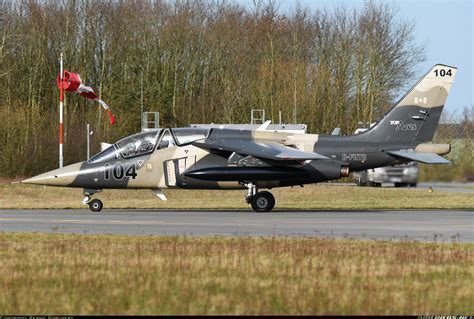
The German Luftwaffe introduced 175 Alpha Jet A aircraft beginning in 1979, using them as strike aircraft and for electronic countermeasures training. With Sidewinder missile capability and tailored for NATO battlefield doctrines, these aircraft operated for nearly two decades before Germany phased them out by 1998.
After retirement, Germany exported surplus Alpha Jets to Portugal, Thailand, the UAE, and private operators like Top Aces, a Canadian firm specializing in adversary air training for modern air forces.
Nigeria
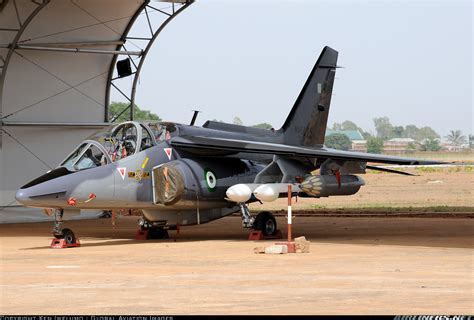
Perhaps the most combat-active user, Nigeria deployed Alpha Jets extensively during regional peacekeeping and internal counterinsurgency operations. During ECOMOG missions in Liberia, Nigerian Alpha Jets flew approximately 3,000 sorties, often under rugged and improvised conditions. In recent years, they have seen use against Boko Haram insurgents in the northeast.
Despite losses due to mechanical issues and hostile fire, the platform’s resilience was demonstrated repeatedly. Nigerian Alpha Jets received limited upgrades, but age and wear continue to threaten their viability, with attrition recorded as recently as 2021.
Variants and Global Footprint
The Alpha Jet has flown in over a dozen air forces and continues to serve in select roles today. Key variants include:
- Alpha Jet E (École): French version, focused on training
- Alpha Jet A (Appui): German strike variant
- MS1 / MS2: Moroccan variants with enhanced avionics
- Alpha Jet ATS/Lancier: Experimental digital upgrade
- B.J.7: Egyptian designation for license-built models
- Al-Ghait: Sudanese designation
Other users have included Belgium, Egypt, Morocco, Qatar, Togo, Thailand, and Cameroon, each adapting the aircraft to their regional requirements and economic means. Belgium, for instance, used the Alpha Jet in joint training with France, while Egypt assembled them under license with local industry participation.
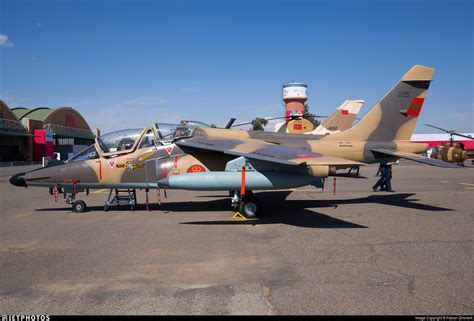
Technical Specifications: Performance in Focus
- Crew: 2 (student and instructor/pilot and weapons officer)
- Length: 13.23 m (43 ft 5 in)
- Wingspan: 9.11 m (29 ft 11 in)
- Wing area: 17.5 m² (188 sq ft)
- Empty weight: Approx. 3,500 kg
- Max takeoff weight: Around 8,000 kg
- Powerplant: 2 × SNECMA Turbomeca Larzac 04-C6 turbofans, 13.2 kN each
- Maximum speed: 1,000 km/h (621 mph)
- Combat radius: 610 km (380 mi)
- Service ceiling: 14,630 m (48,000 ft)
- Armament: Up to 4,500 lb (2,000 kg) including cannons, bombs, and rockets
Conclusion: Enduring Relevance in a Fast-Moving World
Though now largely replaced by digital trainers and advanced fighters, the Dassault/Dornier Alpha Jet remains a symbol of successful multinational collaboration. Its simplicity, reliability, and adaptability have allowed it to outlive many contemporaries and evolve into a true multirole platform.
Whether performing precision aerobatics over Paris or supporting counterinsurgency missions in Africa, the Alpha Jet proves that thoughtful design and operational efficiency can secure an aircraft’s legacy across decades and continents. It has trained generations, fought in asymmetric wars, and continues to fly proudly under military and civilian operators—testament to the enduring excellence of Franco-German engineering.