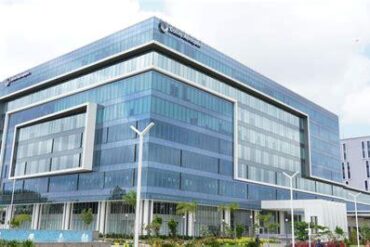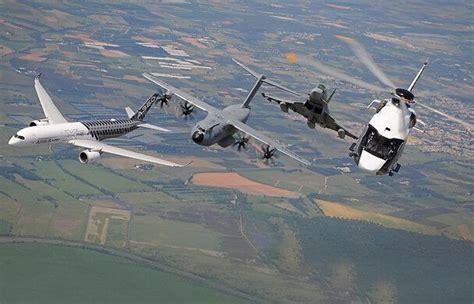
Airbus Group, Inc. stands as a strategic cornerstone of the global aerospace and defense industry. As the North American subsidiary of the European aerospace giant Airbus SAS, the company has established itself as a formidable player across both civilian and military sectors in the United States. Headquartered in Herndon, Virginia, Airbus Group, Inc. operates under a Special Security Arrangement, which enables it to engage in sensitive U.S. defense programs despite its foreign ownership. With over 3,200 employees and annual revenues exceeding $1.3 billion, its expansive footprint and technological capabilities position it as a vital component of national defense and aerospace innovation.
The Strategic Role of Airbus Group in North America
Operating across 29 U.S. cities in 15 states, Airbus Group, Inc. oversees a range of subsidiaries including Airbus Helicopters, Inc., Airbus Military North America, Cassidian Communications, and Fairchild Controls Corporation. These entities contribute significantly to both commercial aviation and military operations, offering a portfolio that spans from rotary- and fixed-wing aircraft to defense electronics, emergency response systems, and homeland security technologies.
Airbus Group’s U.S.-based operations are not only focused on production and delivery but are also hubs for engineering, maintenance, logistics, and R&D. The group’s facilities in Mississippi, Alabama, Texas, and California have undergone extensive expansion since the company’s formation in 2003, demonstrating a long-term commitment to U.S. operations.
Expansion Through Innovation and Acquisition
Since its establishment, Airbus Group, Inc. has pursued a multi-pronged strategy of organic growth, strategic acquisitions, and successful bids on defense contracts. Key milestones include:
- Acquisition of Racal Instruments and Talon Instruments in 2004 and 2005 respectively, enhancing their defense testing capabilities.
- Opening of a new helicopter production facility in Mississippi in 2004.
- Launch of the Airbus Engineering Center in Mobile, Alabama in 2007.
- Acquisition of Plant CML, a California-based emergency technology firm, in 2008.
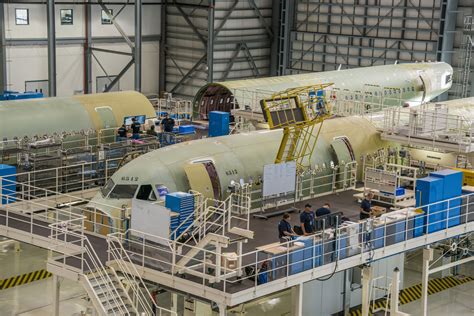
- Groundbreaking in 2013 for a $600 million aircraft assembly plant in Mobile, Alabama, to produce A319, A320, and A321 aircraft.
Airbus’ Commitment to the U.S. Military
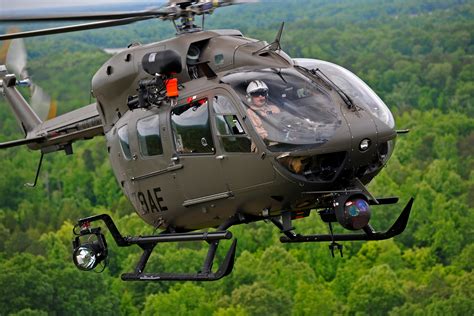
One of the most notable contributions of Airbus Group, Inc. to U.S. defense is the UH-72A Lakota Light Utility Helicopter, based on the commercial EC145. Selected in 2006 as a prime contractor for the U.S. Army, Airbus has delivered over 200 aircraft to date, with an anticipated total procurement of 351 helicopters. The Lakota supports missions such as search and rescue, disaster relief, border patrol, and medical evacuation across both Army and Navy units.
Airbus is also a principal contractor for the HC-144A Ocean Sentry, a maritime patrol aircraft critical to the U.S. Coast Guard’s modernization strategy. The Coast Guard plans to purchase 36 Ocean Sentries, with 13 already delivered. Complementing this is the H-65 Dolphin helicopter, instrumental in drug interdiction, immigration monitoring, and maritime law enforcement.
Border Security and Homeland Defense Capabilities
Airbus Group Inc.’s contributions extend far beyond traditional aircraft. Its subsidiaries support homeland security operations with advanced technology platforms:
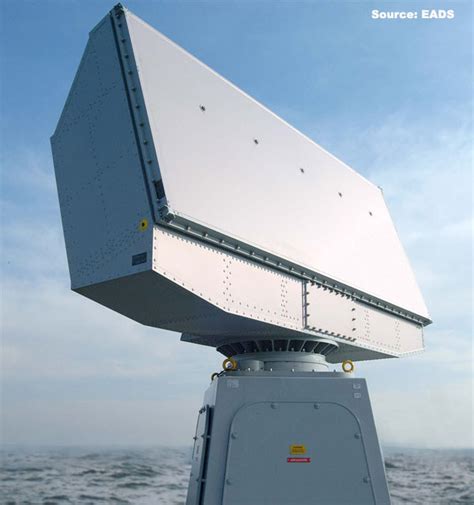
- The TRS-3D multifunction radar, deployed on the Coast Guard’s National Security Cutter and the Navy’s Littoral Combat Ship, is a lightweight surveillance and self-defense system offering gunfire support and helicopter control.
- The SONEX-P is a man-portable sensor system capable of detecting chemical, radiological, and explosive threats within minutes.
- The ECTOCRYP BLACK voice encryption device enables secure communication across classified and unclassified networks, crucial for joint military operations.
Cassidian Communications, another subsidiary, is a leader in emergency response technology, providing systems used by emergency call centers, notification networks, and public safety radios. With over 600 employees across North America, their technologies protect over 200 million U.S. residents.
The KC-45 Tanker Competition and Strategic Implications
A notable episode in Airbus Group Inc.’s defense portfolio was its role in the KC-X aerial refueling tanker competition. Partnering initially with Northrop Grumman, the consortium won the U.S. Air Force contract in 2008. However, the award was overturned after a successful protest by Boeing. Despite Northrop Grumman’s withdrawal in 2010, Airbus (as EADS North America) submitted a solo bid, which was ultimately unsuccessful.
Had the KC-45A been selected, it would have been based on the A330 Multi Role Tanker Transport and assembled in Mobile, Alabama, creating jobs and establishing a U.S. assembly base for military aviation. The episode underscores the complexities of international defense contracting and the competitive landscape of aerial refueling programs.
A Future Built on American Soil
Airbus’ continued investment in the United States reflects its strategic long-term vision. The Mobile, Alabama assembly plant represents not just an industrial footprint but a symbol of transatlantic cooperation in aerospace. Capable of producing four aircraft per month, the facility strengthens Airbus’ ability to serve North American customers while also enhancing local workforce capabilities through direct employment and contractor engagements.
The Airbus Engineering Center in Mobile, paired with Maintenance, Repair, and Overhaul (MRO) facilities at Mobile Regional Airport, are cornerstones of a sustainable aerospace ecosystem in the region. They contribute to both civil aviation and military projects, ensuring responsiveness to U.S. government requirements and commercial demand alike.
Technological Edge and National Security
Airbus Group’s role in U.S. national security is characterized by technological sophistication. Its platforms and solutions are integrated into law enforcement, border protection, and military readiness. Through close collaboration with the Department of Homeland Security, U.S. Army, Coast Guard, and local law enforcement agencies, the group enables fast, reliable, and secure operational capabilities.
The dominance of Airbus helicopters in U.S. fleets is telling: 54% of the Customs and Border Protection helicopter fleet and 71% of the Coast Guard’s are Airbus models. These aircraft are pivotal in real-time threat detection, tactical response, and mission-critical rescue operations.
Conclusion: A Transatlantic Aerospace Powerhouse
Airbus Group, Inc. epitomizes the convergence of European engineering excellence and American operational needs. Its evolution from a foreign aerospace player into a trusted U.S. defense contractor demonstrates both resilience and adaptability. Whether through the Lakota helicopters patrolling state lines, the Ocean Sentry guarding the seas, or the advanced radar and encryption systems safeguarding military assets, Airbus continues to deliver on its promise of innovation, reliability, and security.
As geopolitical challenges intensify and technological demands rise, Airbus Group, Inc. is uniquely positioned to lead in next-generation aerospace and defense solutions. With its growing U.S. presence and unyielding commitment to excellence, it remains an indispensable ally in shaping the future of American security and aerospace dominance.