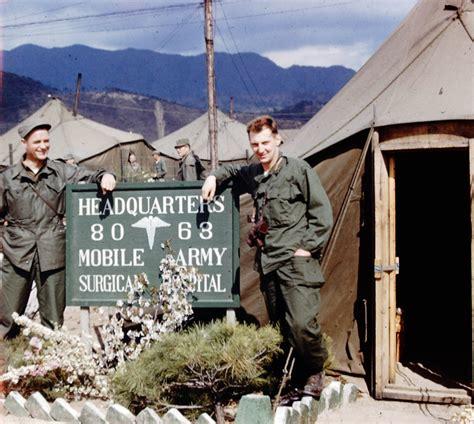
The term Mobile Army Surgical Hospital (MASH) often evokes images of 1970s television drama, yet its real-world importance to military operations is undeniable. Born from necessity during World War II, MASH units changed how battlefield medicine functioned, directly impacting survival rates for wounded soldiers across multiple wars.
The Origin And Evolution Of MASH Units
During World War II, the United States Army recognized the critical need to bring advanced medical capabilities closer to active combat zones. Previously, injured soldiers endured long, often deadly, journeys to rear-line hospitals. The solution materialized as the Mobile Army Surgical Hospital, designed to move with advancing or retreating front lines. Equipped with surgical tents, mobile equipment, and essential supplies, MASH units became lifelines for soldiers who might otherwise succumb to their wounds.
By remaining close to combat zones, MASH teams could perform life-saving surgeries mere hours after injuries were sustained. This strategic proximity was groundbreaking at the time, bridging the gap between field aid stations and full-scale military hospitals. The success of MASH units during WWII laid the groundwork for their crucial role in subsequent conflicts.
MASH Units In The Korean War: Critical Frontline Support
The Korean War (1950-1953) is where MASH units cemented their legendary status. By combining mobile surgical units with helicopter evacuations—a relatively new capability—survival rates for battlefield casualties soared. Helicopters transported wounded soldiers directly from combat zones to MASH units within what military planners called the ‘golden hour’, drastically improving outcomes.
Personnel in these units included surgeons, anesthetists, nurses, and medics operating under continuous strain, often performing complex surgeries in harsh conditions. Despite limited resources and challenging environments, the ability to stabilize and treat severe injuries close to battle lines revolutionized combat medicine.
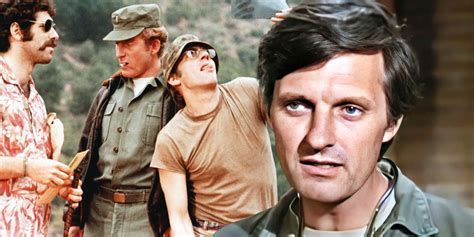
Although popular culture’s portrayal of MASH through television dramatized the units, many scenarios depicted reflected real operational challenges. Notably, actors Alan Alda and Jamie Farr, both of whom served in Korea, lent authentic perspectives to the show.
Technological Advancement: From MASH To MUST Units
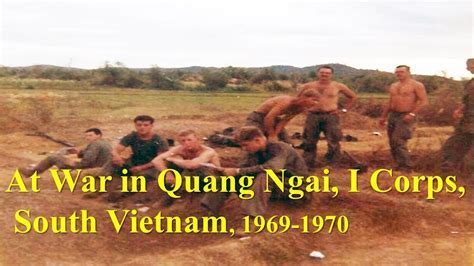
Post-Korean War, the Vietnam War demanded more advanced medical responses. Combat injuries from napalm and chemical weapons required specialized care beyond MASH capabilities. The U.S. Army introduced MUST units (Medical Unit, Self-contained, Transportable), which were larger, more advanced setups capable of treating complex injuries like extensive burns.
While MASH units continued to operate, their limitations in treating modern war injuries were evident. MUST units brought advanced burn care and critical surgical support closer to conflict zones, continuing the mobile medical legacy initiated by MASH but adapting to new battlefield realities.
MASH Units In The Gulf War: Tactical Medical Reinforcement
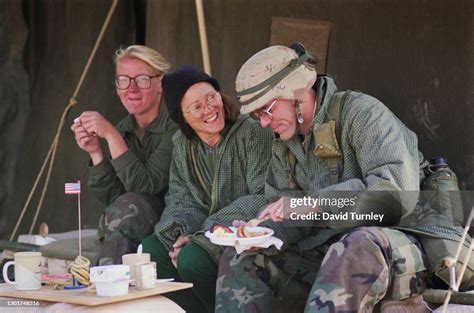
Despite the emergence of MUST units, MASH units returned to prominence during the Gulf War (1990-1991). As U.S. forces deployed to Saudi Arabia, MASH units re-established themselves as essential frontline assets. The first fully operational U.S. Army hospital in Saudi Arabia was a MASH unit, supporting the 24th Infantry Division during Desert Shield operations.
In Operation Desert Storm, the 159th MASH unit from the Louisiana National Guard advanced into Iraq, supporting the 3rd Armored Division. These mobile hospitals provided immediate surgical and medical care as forces pushed deep into enemy territory, proving the enduring tactical value of mobile surgical hospitals. Even as combat zones shifted, MASH units remained adaptable, setting up quickly and saving lives.
The End Of The MASH Era And The Rise Of CSH Units
By 2006, the U.S. Army officially phased out MASH units, transitioning to the Combat Support Hospital (CSH) framework. CSH units built upon MASH principles but incorporated modern medical technology, more extensive staff, and broader capabilities. Unlike MASH, which focused primarily on surgical intervention and stabilization, CSH units provided:
- Expanded intensive care capabilities
- Greater bed capacity
- Integrated specialty care (orthopedic, neurological, cardiovascular)
- Multi-day inpatient treatment within operational theaters
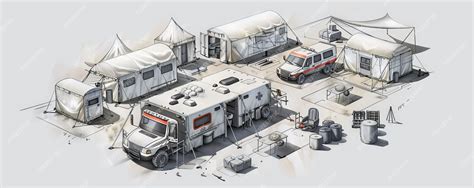
CSH units also optimized mobility with modular medical shelters, allowing rapid deployment without sacrificing advanced care quality.
Legacy And Modern Military Medicine
Even as CSH units have taken over frontline medical responsibilities, the legacy of MASH units continues to shape military medical strategies. Their emphasis on mobility, rapid response, and proximity to combat remains central to modern doctrines. Innovations in air evacuation, telemedicine, and modular facilities are direct evolutions of MASH unit principles.
MASH’s historical impact includes:
- Revolutionizing battlefield casualty management
- Reducing mortality rates significantly during the Korean War
- Inspiring the creation of modern rapid-response field hospitals
- Informing disaster response protocols used in civilian emergency management today
Modern U.S. military medical units deploy with capabilities that blend MASH mobility with the sophistication of permanent medical centers, ensuring wounded personnel receive world-class treatment near battlefronts.
Cultural Memory And Popular Perception
Despite its deactivation, MASH remains culturally significant. The iconic television series immortalized the image of frontline medics and surgeons working under extreme pressure, often humanizing the realities of war. This public awareness arguably influenced broader support for military medical personnel and their critical roles.
Though the show dramatized events, the real MASH units’ contributions stand as testament to military innovation and lifesaving service. Behind every battlefield success story are the medics, nurses, and surgeons who embodied resilience and dedication, often under literal fire.
Conclusion: The Enduring Importance Of Battlefield Medicine
The question, “What is a MASH unit and how important is it to the military?”, reveals a narrative of innovation, adaptability, and lifesaving capability. From WWII to Desert Storm, MASH units demonstrated the undeniable strategic advantage of mobile frontline medical care. While technology and tactics have advanced, the core principles of the MASH—speed, proximity, and surgical precision—continue to underpin modern military medicine.
In every contemporary Combat Support Hospital and rapid-deployment medical facility, the spirit of the MASH unit lives on. These pioneering field hospitals not only changed the course of countless individual lives but redefined how militaries worldwide approach combat casualty care.