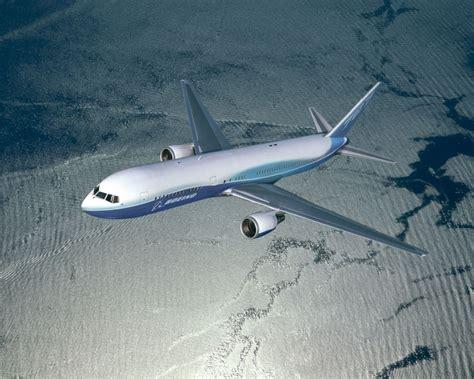
The Boeing 767 is one of those aircraft that refuses to fade quietly into history. While many jets introduced in the late 20th century have already taken their final flights to desert storage fields, the 767 continues to move passengers and cargo across the globe with an almost stubborn persistence. Its longevity is not accidental, nostalgic, or driven by sentimentality within airline fleets. It is the result of a deeply practical design that still aligns with real-world airline economics, cargo demand, and operational flexibility in ways that newer aircraft do not always replicate.
Long after its first delivery in the early 1980s, the Boeing 767 occupies a rare middle ground in aviation. It is neither cutting-edge nor obsolete, neither oversized nor underpowered. Instead, it remains precisely useful, and usefulness is the most reliable antidote to retirement in commercial aviation.
A Mid-Sized Widebody Designed for Real-World Economics
When Boeing designed the 767, the goal was not to build a technological showpiece. The objective was to create a mid-sized widebody aircraft that could operate efficiently on routes where larger jets made little financial sense. Airlines needed something that could carry more passengers and cargo than a single-aisle aircraft, but without the heavy fuel burn, airport constraints, and capacity risks associated with larger widebodies like the Boeing 747 or later the 777.
That design philosophy continues to pay dividends decades later. The Boeing 767 sits in a narrow but valuable performance niche. It offers a widebody cabin experience, respectable range, and meaningful belly cargo capacity, all while remaining light enough to operate economically on thinner long-haul and high-demand regional routes. This balance is especially important in an era where airlines are increasingly focused on route profitability rather than sheer capacity growth.
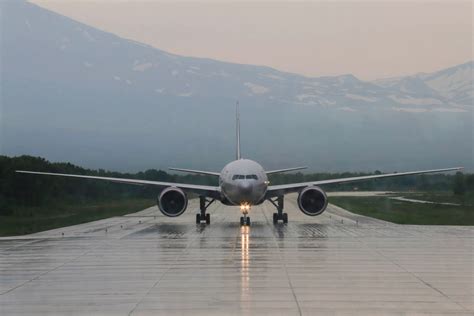
Unlike many newer aircraft optimized for specific missions, the 767 was built to be adaptable. It can fly transcontinental routes within the United States just as comfortably as it can operate transatlantic services or medium-haul international flights. That flexibility allows airlines to shift the aircraft between routes as demand fluctuates, extending its relevance even as fleet strategies evolve.
Operational Flexibility That Newer Aircraft Still Struggle to Match
Modern aircraft often promise dramatic fuel savings, but those gains are most effective when the aircraft is used exactly as intended. The Boeing 767, by contrast, thrives on operational compromise. It does not demand perfectly optimized routes or consistently high load factors to make economic sense. Airlines can deploy it on seasonal services, secondary international markets, and mixed passenger-cargo routes without significant performance penalties.
This flexibility becomes especially valuable during periods of uncertainty. Demand shocks, route experimentation, and shifting travel patterns all favor aircraft that can be redeployed quickly without extensive retraining or infrastructure changes. The 767’s widespread global support network, mature maintenance ecosystem, and deep pool of trained pilots make it easier to keep flying than many newer, more specialized jets.
For airlines balancing cost control with network coverage, the Boeing 767 remains a reliable tool rather than a liability. It may not win efficiency contests on paper, but in daily operations, it continues to earn its keep.
Continued Passenger Service at Major Global Airlines
Despite its age, the Boeing 767 remains firmly embedded in the fleets of several major airlines. In the United States, Delta Air Lines and United Airlines continue to operate the type on a mix of domestic and international routes. These aircraft are not museum pieces or stopgap solutions. They are scheduled, revenue-generating assets that fill specific roles within carefully planned networks.
Delta, historically the world’s largest passenger operator of the 767, uses both the 767-300ER and the larger 767-400ER on transatlantic flights and select long-haul services. Even as newer Airbus A330neo and A350 aircraft enter the fleet, the 767 remains valuable on routes where its capacity aligns better with demand.

United Airlines, the original launch customer for the Boeing 767, continues to deploy the aircraft on international services and some domestic routes. While the airline has stated its intention to retire the type by around 2030, that timeline reflects a gradual transition rather than an urgent withdrawal. With dozens of aircraft still in service, the 767 will remain a familiar sight at United hubs for years to come.
Beyond the US market, airlines in Japan such as Japan Airlines and All Nippon Airways continue to operate the 767 on regional and short-haul routes. This highlights another often-overlooked strength of the aircraft: its ability to operate efficiently even on sectors shorter than those for which it was originally designed.
Cargo Demand as the 767’s Strongest Lifeline
If passenger service explains why the Boeing 767 has not disappeared yet, cargo demand explains why it may continue flying well into the future. The 767-300F freighter variant has become one of the most important aircraft in global air cargo networks. Its combination of payload, range, and operating economics is exceptionally well suited to high-frequency, medium-range cargo operations.
In the United States, FedEx Express operates one of the largest fleets of Boeing 767 freighters in the world. The aircraft forms the backbone of both domestic and international cargo routes, moving time-sensitive shipments with a reliability that newer designs have not significantly surpassed. With well over 90 aircraft in active service, the 767-300F is not a transitional platform for FedEx but a core asset.
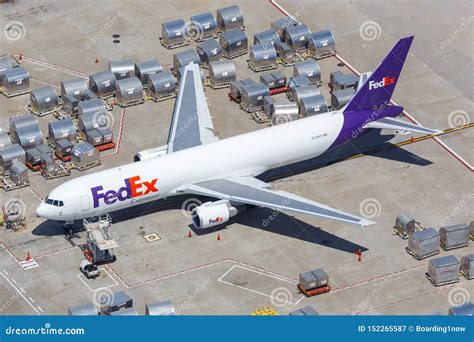
UPS Airlines follows a similar strategy, relying heavily on its 767 freighter fleet to connect regional hubs and serve routes where larger aircraft would be inefficient. Notably, Boeing continues to deliver new-build 767 freighters into the mid-2020s, even as overall production winds down. That continued demand speaks volumes about the aircraft’s enduring utility in cargo operations.
The Growing Market for Passenger-to-Freighter Conversions
Another factor extending the Boeing 767’s lifespan is the robust market for passenger-to-freighter conversions. As airlines retire older 767s from passenger service, these aircraft are often acquired by cargo operators or leasing companies rather than being dismantled. The conversion process is relatively cost-effective and allows operators to add capacity quickly without the long lead times associated with new aircraft orders.
Converted 767 freighters benefit from an established maintenance infrastructure and readily available spare parts. Pilots and technicians already familiar with the type can transition smoothly, reducing training costs and operational risk. This conversion pipeline ensures that the aircraft remains economically relevant even after its passenger-carrying days end.
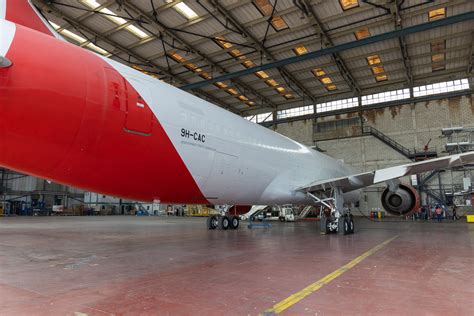
The result is a second operational life that can last decades. Aircraft originally delivered in the 1990s may continue flying well into the 2030s and beyond, not with passengers, but with cargo filling their cabins and lower decks. In an industry where asset utilization defines profitability, that kind of longevity is rare.
Strategic Fleet Planning Favors Gradual Transitions
Airlines do not retire aircraft simply because they are old. They retire them when replacement options are financially and operationally superior. In the case of the Boeing 767, replacements exist, but they are not always perfect substitutes. Aircraft like the Boeing 787 and Airbus A330neo offer impressive efficiency gains, but they also come with higher acquisition costs and, in some cases, more capacity than certain routes require.
This mismatch encourages airlines to phase out the 767 slowly rather than abruptly. Fleet transitions involve more than aircraft deliveries. They require pilot retraining, maintenance reconfiguration, spare parts investment, and network adjustments. Stretching the retirement timeline reduces financial strain and allows airlines to extract maximum value from existing assets.
Delta Air Lines, for example, continues to operate its 767 fleet alongside incoming widebody aircraft, carefully matching each type to routes where it performs best. United Airlines follows a similar approach, ensuring continuity while modernizing gradually. These strategies ensure that the 767 remains operationally relevant even as newer aircraft arrive.
A Design That Paved the Way for Modern Twinjets
The historical significance of the Boeing 767 also contributes indirectly to its longevity. The aircraft was among the first twin-engine widebodies certified for extended overwater operations under early ETOPS rules. This certification helped reshape airline route planning and paved the way for the long-range twinjets that dominate today’s skies.
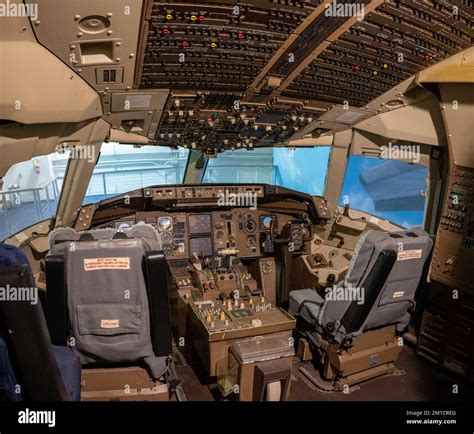
Designed alongside the Boeing 757, the 767 featured a shared cockpit philosophy that allowed pilots to transition between types with minimal additional training. That commonality reduced costs for airlines and made the aircraft especially attractive during its early years. Even today, that design heritage supports operational flexibility and crew efficiency.
The aircraft’s variants, from the shorter 767-200 to the widely used 767-300ER and the stretched 767-400ER, allowed Boeing to tailor the platform to multiple market needs. While production numbers were never as high as some other types, the aircraft’s versatility ensured it found a lasting role in both passenger and cargo operations.
Why Retirement Keeps Getting Pushed Further Out
The question is no longer whether the Boeing 767 will eventually retire. All aircraft do. The more interesting question is why that retirement keeps being delayed. The answer lies in the aircraft’s ability to remain economically relevant even as aviation technology advances.
Fuel efficiency improvements matter, but they are only one piece of the equation. Acquisition costs, maintenance infrastructure, operational flexibility, and cargo compatibility all influence fleet decisions. In many scenarios, the Boeing 767 still checks enough boxes to justify continued operation.
Cargo demand, in particular, shows no sign of slowing. E-commerce growth, express shipping, and global supply chains all favor aircraft that can move moderate payloads frequently and reliably. The 767 excels at exactly that mission. As long as those market conditions persist, the aircraft will remain valuable.
An Aircraft Defined by Usefulness, Not Age
The Boeing 767’s continued presence in global aviation is not a mystery or an anomaly. It is a case study in how practical design, operational flexibility, and market alignment can extend an aircraft’s life far beyond initial expectations. While newer aircraft may outperform it in specific metrics, few can match its overall balance across such a wide range of missions.
For passengers, the 767 may feel familiar, even old-fashioned. For airlines and cargo operators, it remains something far more important: dependable. In an industry that rewards reliability and punishes inefficiency, that dependability ensures the Boeing 767 will keep flying long after many assumed it would be gone.
The skies have changed dramatically since the 767 first entered service, but the need for aircraft that fit real-world operations has not. As long as that need exists, the Boeing 767 will remain exactly where it has always been most comfortable: in steady, unglamorous, and indispensable service.