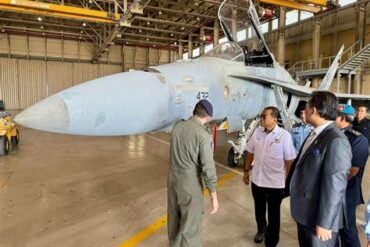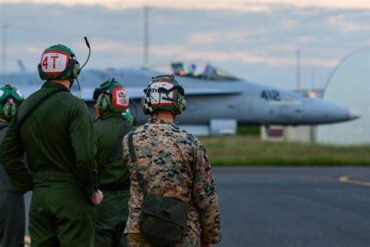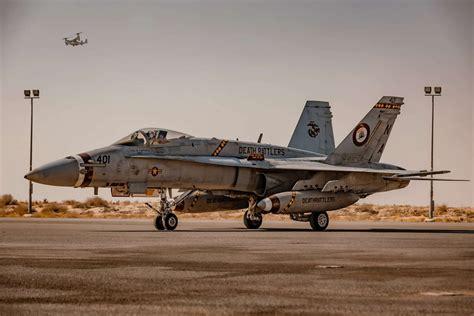
The Royal Malaysian Air Force (RMAF) is poised to conduct a comprehensive evaluation of 38 retired F/A-18 Legacy Hornet fighter jets currently stationed in Kuwait. The inspection marks a significant step in Malaysia’s cautious yet strategic approach to modernizing its combat aircraft fleet. Scheduled for September 2025, this initiative reflects growing regional emphasis on cost-effective military upgrades amid heightened geopolitical uncertainties in Southeast Asia.
General Datuk Seri Muhamad Norazlan Aris, the newly appointed Chief of the RMAF, confirmed that the United States, as the original equipment manufacturer, has officially granted approval for Malaysia to access technical documentation and aircraft records. This clearance enables a Malaysian delegation to conduct a thorough on-site evaluation in Kuwait, laying the groundwork for what could become a significant Foreign Military Sales (FMS) acquisition.
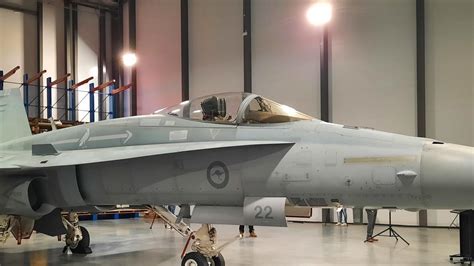
The evaluation team, composed of engineers, technicians, and RMAF leadership, will focus on critical operational and technical aspects of the aircraft over a three-week inspection period. According to General Norazlan, the mission’s primary goal is to ascertain the long-term airworthiness and maintainability of the aging aircraft, which includes assessing airframe fatigue, parts availability, avionics compatibility, and the state of each jet’s mission systems.
Strategic Relevance of the Kuwaiti Hornets
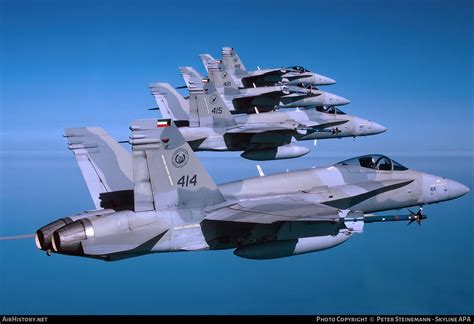
Kuwait’s F/A-18C and D Hornets, most of which were acquired in the early 1990s, have undergone mid-life upgrades that enhance their avionics and mission capabilities. While not comparable to fifth-generation fighters, these jets remain potent platforms with proven operational records. For Malaysia, acquiring these fighters would serve multiple strategic goals: expanding its existing Hornet fleet, achieving fleet commonality, and reinforcing national defense without the prohibitive costs of acquiring brand-new jets.
Currently, Malaysia operates eight F/A-18D Hornets, which form a key element of the RMAF’s front-line combat force. These aircraft have been supported through longstanding defense ties with the United States and supplemented by localized maintenance programs. The potential addition of up to 38 Kuwaiti Hornets—if deemed serviceable—would drastically increase Malaysia’s aerial combat readiness.
Cost, Sustainment, and Readiness: Core Concerns
Despite the potential benefits, General Norazlan was explicit in his caution. He emphasized that operational sustainability, not sheer quantity, would dictate whether the acquisition proceeds. “There is no point in acquiring a large number if we cannot afford to maintain and operate them effectively,” he stated.
This viewpoint highlights a common challenge facing mid-tier air forces: balancing procurement ambitions with logistics, budgetary constraints, and technical manpower readiness. Key questions the evaluation team will seek to answer include:
- Can spare parts be sourced reliably in the future?
- What is the remaining service life of the airframes?
- Are the upgraded systems interoperable with existing Malaysian defense architecture?
- What will be the cost-per-flight-hour compared to other platforms in service?
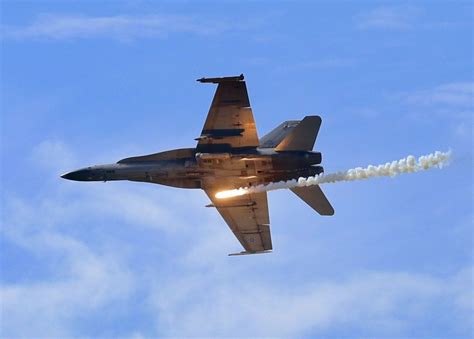
Furthermore, the evaluation coincides with Kuwait’s own transition to newer platforms such as the F/A-18E/F Super Hornet and Eurofighter Typhoon, a move that not only frees up the older jets but also reflects a broader shift in Gulf defense procurement strategy toward more advanced and networked platforms.
Timing Dependent on Kuwait’s Super Hornet Deliveries
A critical logistical element influencing the pace of the potential transfer lies in Kuwait’s receipt of its Super Hornets. General Norazlan explained that Malaysia’s acquisition would be staggered and synchronized with the availability of jets from Kuwait’s inventory. “If they (Kuwait) receive four aircraft, we will receive four,” he said, underlining a delivery chain directly linked to U.S. export timelines and Kuwait’s internal air force transition schedule.
Such a rolling acquisition model may allow Malaysia to gradually integrate the jets, ensuring that each new batch is carefully tested, upgraded as needed, and aligned with RMAF doctrine. It would also permit budgetary flexibility over multiple fiscal years—critical in Malaysia’s case given ongoing economic recovery pressures post-pandemic.
Regional Security Dynamics and Fleet Modernization
The evaluation of Kuwait’s Hornets must also be viewed within the broader context of Southeast Asia’s evolving airpower balance. Nations like Indonesia, Vietnam, and the Philippines are all seeking to modernize their fleets in response to growing Chinese assertiveness in the South China Sea. Malaysia, sharing maritime boundaries in disputed waters, faces increasing pressure to keep pace militarily while maintaining a measured and neutral foreign policy.
By opting for upgraded legacy fighters over brand-new fifth-gen aircraft, Malaysia signals a pragmatic strategy: incremental modernization with proven platforms that offer sufficient deterrence and mission capability at a manageable cost. Should the Hornets pass inspection and negotiations proceed smoothly, the move would echo recent acquisitions in the region, such as Indonesia’s interest in second-hand Mirage 2000s and used F-16s.
U.S. Clearance and Foreign Military Sales Process
The United States has already signaled its approval of the potential transfer under the Foreign Military Sales (FMS) framework, ensuring that no political or legal barriers hinder the Malaysian evaluation effort. This reflects both Washington’s strategic interest in supporting partner capabilities in Southeast Asia and its confidence in Malaysia’s responsible defense posture.
FMS processes, while sometimes slow, offer assurance regarding training, support packages, and spare parts pipelines. If Malaysia proceeds, the deal could include technical training for Malaysian aircrew and maintenance teams, simulator access, and logistics software compatibility upgrades.
Tactical Flexibility and Operational Roles
Adding 38 F/A-18C/D Hornets to the RMAF arsenal could profoundly alter Malaysia’s tactical aviation landscape. The Hornet’s multirole nature allows it to perform a range of missions:
- Air Superiority and Interception: Especially relevant in defending contested airspace around the South China Sea.
- Precision Ground Attack: Using laser- or GPS-guided munitions.
- Maritime Strike: Crucial for littoral defense and anti-ship roles.
- Reconnaissance and SEAD (Suppression of Enemy Air Defenses): If integrated with appropriate pod systems.
Such versatility could plug existing capability gaps in the RMAF inventory, particularly if other airframe types like the MiG-29s remain phased out.
Challenges Ahead: Integration and Fleet Rationalization
While the potential of this acquisition is substantial, integrating a large number of used aircraft brings its own set of hurdles. The RMAF will need to rationalize its pilot training pipelines, upgrade maintenance infrastructure, and possibly overhaul its supply chain logistics to support two distinct blocks of Hornets (C/D models from Kuwait and the existing D-models).
Moreover, managing software compatibility and mission system standardization across different production blocks and upgrades will be critical to ensure operational coherence. Delays in spare part shipments, insufficient depot-level support, or limitations in avionics interoperability could blunt the effectiveness of the new assets.

Final Decision Still Pending
While the September evaluation represents a pivotal milestone, it does not automatically guarantee a finalized deal. As General Norazlan emphasized, Malaysia will take a methodical, data-driven approach before making any binding commitments.
The outcome will depend not only on the technical findings from the Kuwaiti inspection but also on broader strategic assessments by the Malaysian Ministry of Defence, RMAF leadership, and potentially parliamentary review. The government has not announced a firm deadline for a final decision.
Still, this inspection effort underscores a clear intent: Malaysia remains keen to enhance its defensive posture without overextending its resources. With the regional security environment becoming increasingly complex, the option to acquire a fleet of battle-tested multirole fighters at a fraction of new-build costs presents a compelling opportunity.
If executed with foresight and proper planning, the Kuwaiti Hornets may serve not only as stopgap platforms but as pivotal assets in Malaysia’s future air combat strategy.