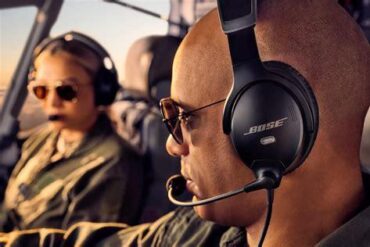
Selecting a budget aviation headset with noise cancellation is one of the most important early decisions for new pilots, especially those beginning a Private Pilot License program. A headset directly influences communication clarity, comfort during long instructional flights, and long-term hearing protection. The modern training environment, particularly at high-traffic airports and university flight programs such as Purdue University’s, demands a headset capable of handling both ambient cockpit noise and the subtleties of ATC communication. A budget-friendly option does not mean compromising on essential functionality; instead, it requires understanding how noise cancellation works, which features matter most for student pilots, and which models offer proven value.
Starting training with a reliable headset also helps avoid costly upgrades during future ratings. Many pilots begin with passive noise reduction and later move to active noise reduction when flying more frequently. For those with existing hearing challenges, choosing ANR earlier in training is not a luxury—it is a protective investment.
Noise Reduction Technologies and What They Mean for Students
Aviation headsets use two key forms of noise reduction. Passive noise reduction (PNR) relies on dense materials and tight ear seals that physically block sound. This classic design has been used for decades and is notably durable, simple, and dependable. Many pilots still choose PNR headsets as primary or backup gear due to their toughness and extremely long service life.
Active noise reduction (ANR), by contrast, uses electronic circuitry to analyze cockpit noise and generate inverse sound waves. This dramatically reduces low-frequency engine noise, allowing a clearer audio signal from radios and intercoms. Pilots with slight hearing limitations often find ANR especially helpful because it reduces auditory fatigue and isolates speech frequencies more effectively.
The choice between PNR and ANR depends on budget, long-term training plans, and personal sensitivity to noise. While ANR headsets are more expensive, used models and budget-oriented lines have made the technology far more accessible.
Recommended Budget-Friendly ANR Options for New Pilots
Several reliable models consistently emerge in discussions among instructors, students, and aircraft owners. These headsets focus on performance, warranty value, and affordability—without entering premium four-figure pricing.
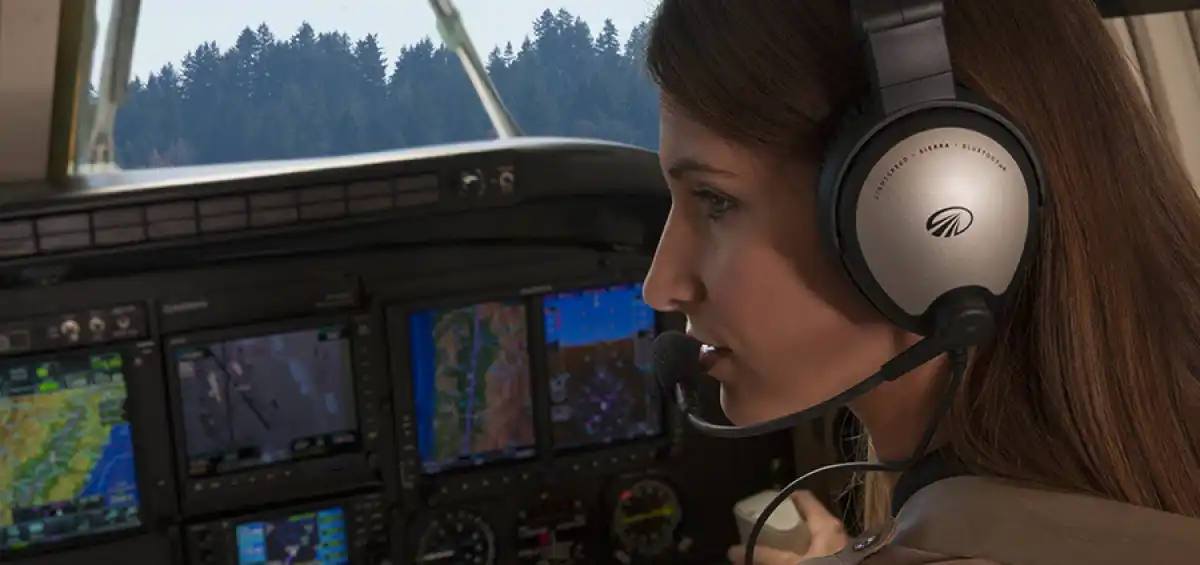
The Lightspeed Sierra remains one of the strongest overall picks for student pilots seeking an affordable ANR option. It delivers the same cancellation algorithms found in Lightspeed’s premium Zulu series, using less expensive materials to keep costs down. Typical used prices hover around the mid-$300 range, offering a balance between comfort, noise reduction, and dependable manufacturer support. Pilots appreciate the Sierra for its lightweight feel and clear audio response, making it a standout choice when stepping into ANR without exceeding student-pilot budgets.
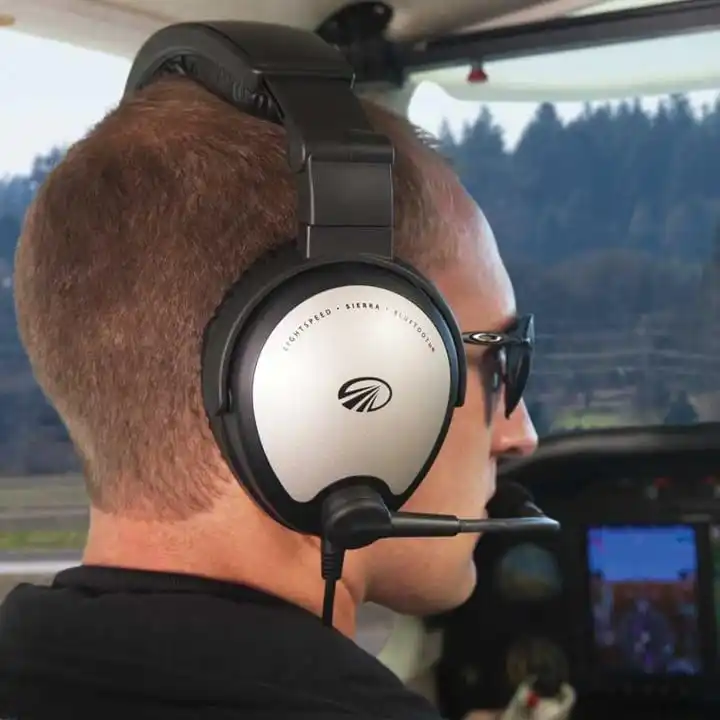
Another popular voice in the budget ANR field is the Faro G2 ANR, a new unit often priced below $400. While some experienced pilots point out that these models are based on generic Chinese components, others note that they perform well, deliver consistent cancellation, and cost significantly less than legacy brands. For many students flying shorter training sessions, this makes the Faro G2 a practical, no-nonsense solution.
In-Ear Headsets and Passive Alternatives Worth Considering
Not all effective headsets require active circuitry. Some pilots prefer in-ear systems such as the Quiet Technologies Halo, a lightweight option that uses deep-seal foam ear tips to produce surprisingly strong passive noise reduction. These headsets are especially favored in aerobatic aircraft or tight cockpits where bulky over-ear units can feel restrictive. Though they lack ANR, their isolation works well for many flying environments and provides reliable clarity at a lower price point.
Traditional brands such as David Clark remain staples in flight schools worldwide. The H10-13.4 model is one of the most widely recognized passive headsets ever built. Its gel ear seals, tank-like durability, and lifetime support make it a favorite for pilots who prefer simple, maintenance-free gear. While it does not include ANR, the isolation level is sufficient for many PPL students, and pre-owned units often cost under $200. For long cross-country flights, especially with glasses, ANR models from the same manufacturer—such as the DC One-X—offer improved comfort but exceed typical student budgets.
The Case for Buying Used ANR Headsets
Aviation gear maintains value unusually well, but the used market also offers opportunities to purchase high-quality ANR headsets at significant discounts. Pre-owned Lightspeed Zulu 2 or Zulu 3, Bose A20, and older David Clark ANR models frequently appear on marketplaces like eBay, Mercari, and aviation-specific forums. Many pilots recommend this path because the performance difference between new and used units is often negligible, especially when manufacturers allow refurbishment or paid upgrades that include fresh warranties.
Students flying in university programs with consistent schedules can amortize the cost of a higher-quality ANR headset across many hours. Over 150–200 training hours, even a mid-priced used ANR unit pays dividends in comfort and hearing protection. Considering the high cockpit noise levels in training aircraft like the Cessna 152, Cessna 172, or Piper Archer, the long-term benefits often outweigh the initial cost.
DIY ANR Kits and Budget Modifications
Some mechanically inclined pilots experiment with converting passive headsets into ANR units using aftermarket kits. These modifications typically involve installing microphones, electronics, and battery modules inside existing ear cups. While this approach provides active noise reduction at a lower price than buying a new ANR headset, it forfeits manufacturer warranties and may not offer consistent performance. For a student pilot who depends on reliability during early training, a DIY approach is generally better reserved for hobbyists or as a secondary experimental project.
Hearing Health and Long-Term Considerations
Cockpit noise is more than an annoyance—it is a cumulative hazard. Engine and airflow noise in light aircraft often exceed safe exposure levels, especially during extended training flights. Pilots with existing hearing challenges should view ANR technology not simply as a convenience but as essential protection. Reduced fatigue, clearer communication, and lower long-term risk of hearing deterioration all support the case for selecting an ANR headset earlier in training.
Many experienced aviators emphasize that a headset is one of the few pieces of equipment that directly affects both safety and health. Even if a budget ANR headset stretches a student’s initial gear budget, its value continues for years of flying beyond the PPL.
Choosing the Right Budget Headset for Your Training Path
Selecting the best budget noise-canceling aviation headset ultimately depends on training volume, cockpit environment, noise sensitivity, and long-term flying goals. Students flying frequently at active airports or working through accelerated programs benefit from reliable ANR models such as the Lightspeed Sierra or used Zulu units. Pilots who prefer simpler, maintenance-free gear or want to minimize upfront costs often start with proven passive headsets like the David Clark H10-13.4.
In every case, the headset becomes an essential companion throughout training. A well-chosen budget ANR model can provide years of comfortable flying, clearer communication, and meaningful hearing protection—ensuring that new pilots stay focused on mastering the skies rather than fighting cockpit noise.