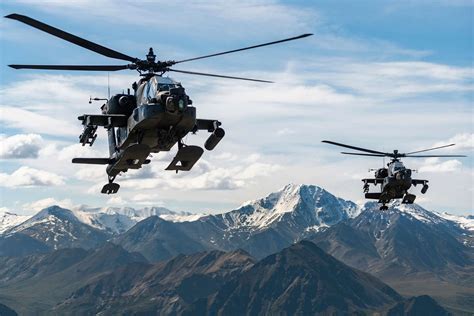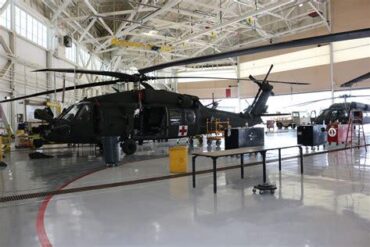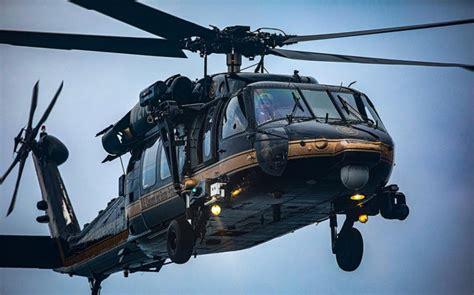
Residents across Portland reported unusually frequent helicopter activity over the city during the weekend, sparking speculation about whether the flights were linked to the federal deployment of the Oregon National Guard. The timing coincided with President Donald Trump’s decision to invoke Title 10 authority, enabling the Guard to operate under federal control, which led many to believe that the helicopters were a visible sign of military enforcement.
However, federal and state officials clarified that the flights were not connected to the Oregon National Guard, which had not yet mobilized in Portland at the time. The Guard is scheduled to deploy later in the week, meaning the aerial presence residents witnessed was not linked to their arrival.
Customs and Border Protection Confirmed Helicopter Patrols
Instead of National Guard involvement, it was confirmed that Customs and Border Protection’s Air and Marine Operations was responsible for at least one helicopter flight. According to a statement provided to local media, an AMO aircraft was in the area on Saturday night, and the mission resulted in the detention of four undocumented immigrants.
The FBI Portland Division released a surveillance screen capture showing the helicopter’s infrared targeting system, which captured unusual activity on the ground. Investigators alleged that a laser pointer was directed at the aircraft during its patrol, a federal offense that can endanger pilots and crew. The incident underscored the federal government’s ongoing use of aerial surveillance over U.S. cities, particularly when immigration enforcement intersects with broader law enforcement concerns.
While this confirmed one flight, what remains less clear is whether additional helicopters were deployed on Sunday evening. Multiple Portland residents filed noise complaints about low-flying aircraft, suggesting the presence of more patrols than those publicly acknowledged.
Local Agencies Respond to Noise Complaints
The Port of Portland and the city’s permitting office were both inundated with reports about excessive aircraft noise, particularly over South and Southwest Portland. In response, the Port issued a public statement acknowledging the disruption:
“We are aware of the higher volume of helicopter and propeller airplane activity over South and Southwest Portland. This appears to be related to federal law enforcement and/or military activity and is not a development the Port of Portland can control.”
The statement made clear that local agencies had no authority over the federal aircraft, frustrating residents who sought accountability and transparency. While Portlanders are accustomed to occasional aerial activity, the frequency, volume, and low altitude of the weekend flights marked a significant departure from routine operations, fueling unease and speculation.
Political Context: Title 10 and Federal Deployment
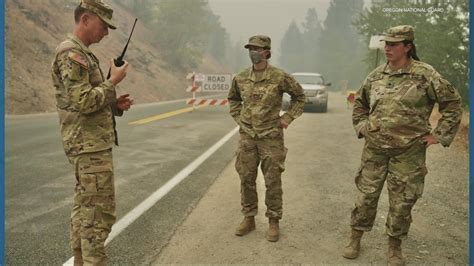
The aerial patrols came at a sensitive moment for Oregon, as the federal government moved to assert greater control over the deployment of the Oregon National Guard. Under Title 10, Guard units operate under federal rather than state authority, effectively removing the governor’s oversight once activated.
President Trump framed the move as necessary to restore order, invoking imagery of wartime leadership by comparing Portland’s situation to World War II in remarks delivered to military officials. Such rhetoric amplified public concern that the helicopters represented the vanguard of a larger federal enforcement presence.
However, Oregon officials emphasized that the Guard’s boots-on-the-ground deployment had not yet begun, and the flights were unrelated to their mobilization. This distinction is important in understanding the layered presence of federal agencies, which include not only the Guard but also the Department of Homeland Security (DHS), Customs and Border Protection (CBP), and the FBI.
The Role of DHS and Ongoing Uncertainty
KOIN 6 News contacted the Department of Homeland Security to clarify whether the helicopter flights represented the beginning of a new operational phase in Portland. As of the latest reports, DHS had not provided details on either the scope of the patrols or whether residents should expect future helicopter activity.
The lack of clarity has heightened public anxiety. In the absence of direct answers, Portland residents are left to parse a patchwork of statements from federal, state, and local officials—none of whom claim full oversight of the operations. This gap between action and accountability reflects a broader pattern seen in federal deployments across U.S. cities, where federal law enforcement maintains discretion over air and ground patrols without prior local coordination.
Community Impact: Fear, Confusion, and Distrust
For many Portlanders, the sudden roar of helicopters overhead did more than disrupt sleep—it symbolized a loss of civic control. Helicopter flights are inherently loud and invasive, often associated with emergencies, military maneuvers, or surveillance. In this case, the presence of federal aircraft, combined with the politically charged context of Guard deployment, created an atmosphere of heightened tension.
Residents expressed frustration that basic questions—such as why the helicopters were flying, who authorized them, and how long they would continue—remained unanswered. The lack of transparency has eroded trust in both federal and local institutions, with noise complaints serving as a proxy for broader concerns about federal overreach and diminished local autonomy.
Federal Aircraft and Urban Surveillance
Helicopter patrols over Portland are not unprecedented, but their frequency and purpose have shifted over the past decade. Traditionally, helicopters in the city were tied to medical transport, search and rescue, or law enforcement pursuits. In recent years, however, their use by federal agencies has expanded to include crowd monitoring, immigration enforcement, and urban surveillance.
The deployment of helicopters for these purposes raises questions about the balance between public safety and civil liberties. Unlike ground patrols, helicopters operate with a degree of omnipresence, covering vast areas quickly and providing real-time intelligence to federal agencies. Their visibility, however, also amplifies the perception of a militarized presence in civilian neighborhoods.
The Political Messaging Behind the Flights
Beyond operational necessity, the weekend helicopter activity may have carried a political message. Aerial patrols are not only tools of enforcement but also instruments of deterrence and psychological signaling. By placing helicopters visibly in Portland’s skies during a period of heightened political debate, federal agencies reinforced the message that Washington is willing to act unilaterally—even before Guard troops physically arrive.
This aligns with President Trump’s use of wartime analogies, which frame Portland not as a city grappling with isolated unrest but as a battleground requiring federal intervention. Such framing bolsters support among certain political constituencies while simultaneously deepening opposition among those who view the flights as provocative and unnecessary escalations.
Governor Kotek’s Call for Calm
Amid the uncertainty, Governor Tina Kotek urged Oregonians to remain calm, emphasizing that the Guard’s deployment would be orderly and limited in scope. She acknowledged the disruptive nature of the helicopter flights but stressed that state leadership was working to ensure that federal activity did not destabilize community trust or public order.
Her comments reflect the delicate balance state officials face: reassuring residents while contending with limited jurisdiction over federal actions. Portland has long been a flashpoint for debates over federalism, and the weekend’s helicopter activity highlighted once again the tension between state authority and federal power.
What Portland Residents Can Expect Next
As of now, it remains uncertain whether helicopters will continue to fly regular patrols over Portland. Several scenarios could unfold:
- Increased presence: If DHS authorizes ongoing flights, residents may see helicopters as a recurring fixture, particularly in neighborhoods flagged for federal enforcement activity.
- Reduced activity: Flights may decrease after the Guard officially deploys, with helicopters used only for high-priority missions.
- Intermittent surveillance: Federal agencies may employ helicopters sporadically, making it difficult for residents to predict when noise and disruption will return.
The outcome depends largely on decisions made in Washington and DHS’s willingness to disclose operational plans—something the agency has been reluctant to do in the past.
Conclusion: A City Under Watch
The helicopters over Portland serve as more than an audible disturbance—they are a symbol of contested authority, political messaging, and the blurred lines of federal intervention. For residents, the unanswered questions about their presence underscore the challenges of living in a city at the center of national debate.
Until federal agencies provide greater transparency, Portlanders are likely to remain caught between speculation and reality, left to wonder whether the sound of rotor blades overhead signals enforcement, surveillance, or a show of power.