Air travel in the United States grew significantly more frustrating in 2024, as a surge in passenger grievances exposed the mounting strain on the aviation industry. According to a comprehensive analysis by the U.S. PIRG Education Fund, passenger complaints against U.S. airlines climbed to 66,675, a nine percent increase over the previous year—despite passenger volume rising only four percent. These figures represent a clear indicator that consumer dissatisfaction is intensifying, driven by delays, cancellations, and service breakdowns that have become more frequent and widespread.
The U.S. Department of Transportation’s (DOT) complaint data, on which PIRG’s report is based, further highlights how regulatory pressure and consumer expectations are transforming the air travel landscape. New rules adopted in 2024 require automatic refunds for canceled or significantly delayed flights, placing added accountability on airlines. However, enforcement is still catching up, as many passengers continue to fight for refunds and reimbursement for lost or damaged luggage.
The Post-Pandemic Spike in Complaints
Before the pandemic, annual complaint numbers rarely exceeded 20,000. In 2020, that figure skyrocketed to over 102,000 during a period of massive disruptions in global travel. Since then, complaints have remained historically high, fueled by the ongoing effects of staff shortages, operational mismanagement, and unstable schedules. Despite some improvements in specific metrics, the overall trend remains concerning.
In 2024 alone, nearly 1.7 million flights were delayed or canceled. Flight cancellations rose from 1.28% in 2023 to 1.36%, while on-time arrivals fell to 78.1%, a slight but meaningful decline from 78.3% the year before. These disruptions not only cause passenger inconvenience but also frequently result in financial loss, missed connections, and deteriorating trust in airline reliability.
Frontier Airlines: Leading for All the Wrong Reasons
No carrier symbolized traveler discontent more than Frontier Airlines, which recorded the highest rate of complaints per 100,000 passengers—a staggering 23.3. Frontier also ranked worst in several critical categories:
- Cancellations: 2.32% of its flights were canceled
- Delays: Over 30% of its flights were delayed
- Involuntary bumping: 2.25 per 10,000 passengers
- Wheelchair mishandling: 1.76%, second worst overall
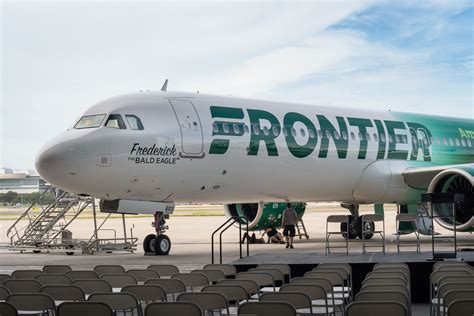
According to U.S. PIRG director Teresa Murray, “That’s a lot of worsts.” The numbers suggest not only systemic inefficiencies but also a growing alienation of Frontier’s customer base. In an industry where low-cost airlines compete aggressively on price, operational reliability has become an undeniable differentiator—and Frontier fell short across the board.
Spirit and JetBlue: Joining the List of Discontent
While not as embattled as Frontier, Spirit Airlines and JetBlue also fared poorly in the report. Spirit logged 12.8 complaints per 100,000 passengers, while JetBlue came in at 10.4. Both airlines suffered from high delay percentages and significant mishandling rates for wheelchairs:
- Spirit had 25.52% of flights delayed and 2.07% of wheelchairs mishandled, the worst among all carriers.
- JetBlue delayed 26.94% of its flights, the second-worst figure after Frontier.
These performance indicators reflect broader issues in infrastructure, workforce management, and customer service, further eroding the public’s confidence in these budget-friendly options.
Southwest, Alaska, and Hawaiian: Standing Out for the Right Reasons
On the opposite end of the spectrum, Southwest Airlines emerged as a clear leader in customer satisfaction, with the lowest complaint rate at just 1.5 per 100,000 passengers. This is especially noteworthy given the carrier’s massive network and flight volume. Southwest also had the lowest cancellation rate at 0.83%, underlining the company’s consistent operational control.
Alaska Airlines and Hawaiian Airlines also received top marks, with Alaska registering 2.6 complaints per 100,000 and Hawaiian 3.8. Hawaiian boasted the best delay record of any airline, with just 16.42% of flights arriving late, and ranked among the best in cancellations as well.
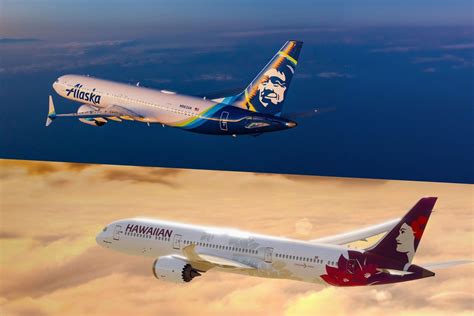
These carriers benefitted from focused regional networks, better weather conditions in many cases, and stronger performance in luggage handling and customer support. Their success proves that efficient operations and customer service are still possible, even under the evolving pressures of post-pandemic travel.
Delays and Cancellations: A Persistent Threat to Travel Plans
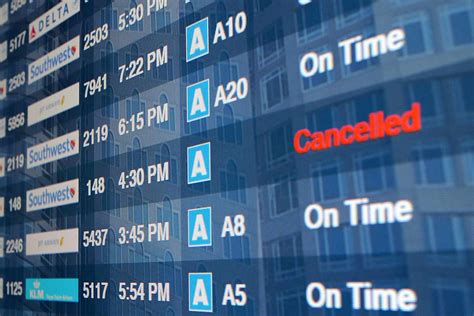
Flight delays and cancellations remain a dominant source of frustration for passengers. In 2024, roughly 1.7 million flights fell into one of these two categories, often setting off cascading effects like missed connections, overnight airport stays, and disrupted itineraries.
Airlines with the worst delay rates included:
- Frontier Airlines: 30.5%
- JetBlue: 26.94%
- Spirit: 25.52%
In contrast, Hawaiian, Delta, and United performed notably better, with delay rates under 21%. When looking at cancellation metrics, Frontier again stood out for the wrong reasons, with over 2.32% of its flights scrapped—far exceeding Southwest’s industry-best figure of 0.83%.
Luggage and Wheelchair Mishandling: Small Details, Big Consequences
While often overlooked in the broader conversation about airline service, mishandled baggage and mobility devices cause real pain for travelers. PIRG’s report showed slight improvements in 2024, but the total numbers remained daunting:
- 2.7 million bags lost or damaged
- 11,357 wheelchairs and scooters mishandled
Airlines with the worst record for baggage handling included:
- American Airlines: 0.79%
- United Airlines: 0.66%
- Alaska Airlines: 0.58%
Interestingly, Frontier, despite its many failings, performed well in baggage handling, with a mishandling rate of just 0.4%. Similarly, JetBlue and Allegiant excelled in this area, reporting rates of 0.35% and 0.2%, respectively.
In terms of wheelchair mishandling, however, Frontier’s 1.76% and Spirit’s 2.07% were alarmingly high. Delta, Allegiant, and United managed to keep those rates below 1%, signaling a more inclusive and careful approach to passenger needs.
Involuntary Bumping: An Ongoing Irritant
Involuntary bumping—removing passengers from oversold flights without their consent—remains a thorny issue. PIRG’s data shows that while most airlines have brought these figures down significantly, some continue to struggle.
Frontier Airlines again topped the charts here with 2.25 involuntary bumps per 10,000 passengers, far ahead of American (0.67) and Spirit (0.48). Meanwhile, Allegiant, Delta, and United demonstrated strong performance, each achieving rates close to zero.
This disparity reflects the underlying tension between profit-maximizing booking practices and basic customer rights. Airlines that fail to resolve this conflict risk damaging their long-term brand equity, even if their fares remain competitive.
The Consumer Awakening and What Lies Ahead
The rising wave of complaints is not just a reflection of bad service—it also represents an empowered consumer base. As Teresa Murray emphasized, “Passengers are ticked off, and they know now that voicing their concerns gets results.” The recent passage of numerous consumer protection laws has given travelers more leverage than ever before.
Moving forward, these regulatory changes, combined with an increasingly vocal flying public, will likely force airlines to revisit core aspects of their operations. From investment in staff and technology to restructured scheduling practices, the challenge for U.S. carriers will be to transform short-term fixes into sustainable service improvements.
Final Thoughts
The 2024 PIRG report reveals an airline industry still grappling with reliability, communication, and customer satisfaction. As the data shows, a few standout performers like Southwest, Alaska, and Hawaiian continue to lead by example. In contrast, airlines like Frontier, Spirit, and JetBlue will need to undertake serious reforms if they wish to rebuild consumer trust and stem the tide of complaints.
Ultimately, passengers today are more informed and more willing to hold airlines accountable. With mounting pressure from both consumers and regulators, 2025 may become a pivotal year in reshaping the standards of air travel in America.