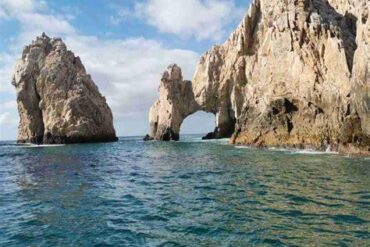
Los Cabos, Mexico, is having a milestone year in 2025, breaking tourism records on the back of a compelling combination of factors: lower hotel costs, a surge in domestic tourists, and an expanding market for wellness travel. As average hotel costs saw a notable decline for the first time in years, the destination became increasingly affordable for a broader audience, enhancing its allure. At the same time, domestic travel has experienced a robust growth rate of over 8%, thanks to expanding aerial connections and growing national interest in this stunning locale. Perhaps most significantly, Los Cabos’ increasing focus on wellness travel—now a primary motivation for nearly one in five tourists—has transformed it into an elite luxury retreat for high-value travelers from both Mexico and abroad.
So far this year, Los Cabos has welcomed an impressive 4.13 million tourists, with projections indicating a solid 5% growth compared to previous years. This figure surpasses the 3.93 million recorded in 2024 and the 3.86 million in 2023, illustrating a positive trajectory for the region. While the initial surge in tourists following the pandemic had plateaued, the current upward trend underscores the effectiveness of long-term strategies focused on infrastructure, airlift, and catering to diverse tourist segments.
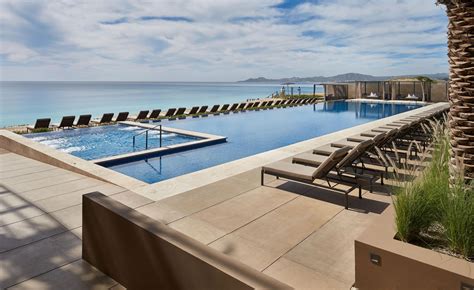
One of the most significant shifts in the tourism landscape of Los Cabos is the realignment of hotel prices. For the first time in several years, average hotel rates have seen a modest decline. In March 2025, the average daily rate was $498, down from $553 in March 2024—a 10% decrease. This trend continued into April, with rates dropping further to $488. It’s crucial to note that these reductions do not reflect a decrease in demand; in fact, occupancy rates remain strong. The strategic adjustment in pricing aims to align with market expectations, maintain healthy occupancy levels, and attract a wider range of travelers.
The dynamics of hotel pricing exhibit regional variations throughout Los Cabos. For instance, Cabo San Lucas, the largest hotel market boasting over 9,400 units, saw an increase in rates by 5%, reaching an average daily rate of $355 and achieving the highest occupancy rate of 78% in April 2025. Conversely, San José del Cabo experienced a drop in hotel rates by 18%, averaging $279 per night. On the upscale beachside stretch known as La Ruta Escénica, room rates fell by 6%, averaging $665. These localized price adjustments reflect hoteliers’ responses to customer demands, preferences, and specific market conditions.
Domestic tourism is increasingly pivotal to the success of Los Cabos in 2025. Within the first four months of the year, the destination welcomed over 463,000 Mexican tourists, representing an 8.5% increase from the same timeframe in the previous year. Currently, this segment accounts for 32% of the overall visitor base. Although international arrivals witnessed a slight decline of 0.4%, they still represent the majority, with over 913,000 foreigners visiting. Expanded airlift from major Mexican cities has stimulated domestic interest, with Mexico City leading as the top sending state, followed closely by Jalisco. Internationally, visitors from the United States continue to dominate, particularly from California, while arrivals from Canada improved by over 4%, helping to offset the minor decline from U.S. travelers.
Another fascinating trend emerging in Los Cabos is the exceptional level of visitor loyalty. Through March 2025, 38% of tourists were returning visitors. Such high rates of return visits not only signal satisfaction but also enhance the destination’s long-term appeal—an invaluable asset in an increasingly competitive global tourism market. Retaining existing customers is far more cost-effective than acquiring new ones, making this loyalty a promising indicator for sustained revenue generation and future success.
In tandem with these trends, wellness travel is rapidly becoming a defining feature of the Los Cabos experience. Approximately 18% of visitors come specifically for wellness-oriented activities, seeking out spas, retreats, and opportunities for mindful relaxation. These wellness-focused tourists contribute significantly to the local economy, spending an average of over $3,000 per visit and reporting satisfaction levels exceeding 90%. With the global wellness industry valued at over $650 billion, this trend aligns seamlessly with Los Cabos’ positioning as a luxury destination, committed to providing upscale experiences that cater to health and well-being.
In conclusion, Los Cabos is not merely witnessing growth in visitor numbers; it is evolving in terms of value and experience. From record-breaking tourism projections and shifting hotel rate models to the rising tide of domestic travel and wellness-centric offerings, 2025 will be a landmark year for this vibrant destination. Los Cabos continues to pave the way for sustainable, experience-driven travel, showcasing that the future of tourism in Mexico is bright and filled with promise.