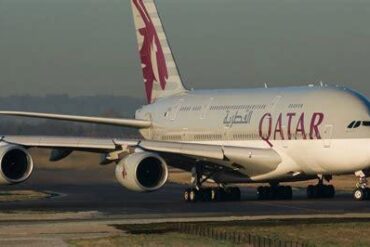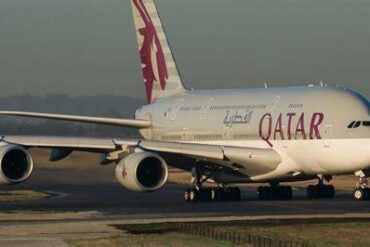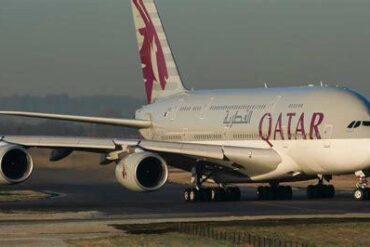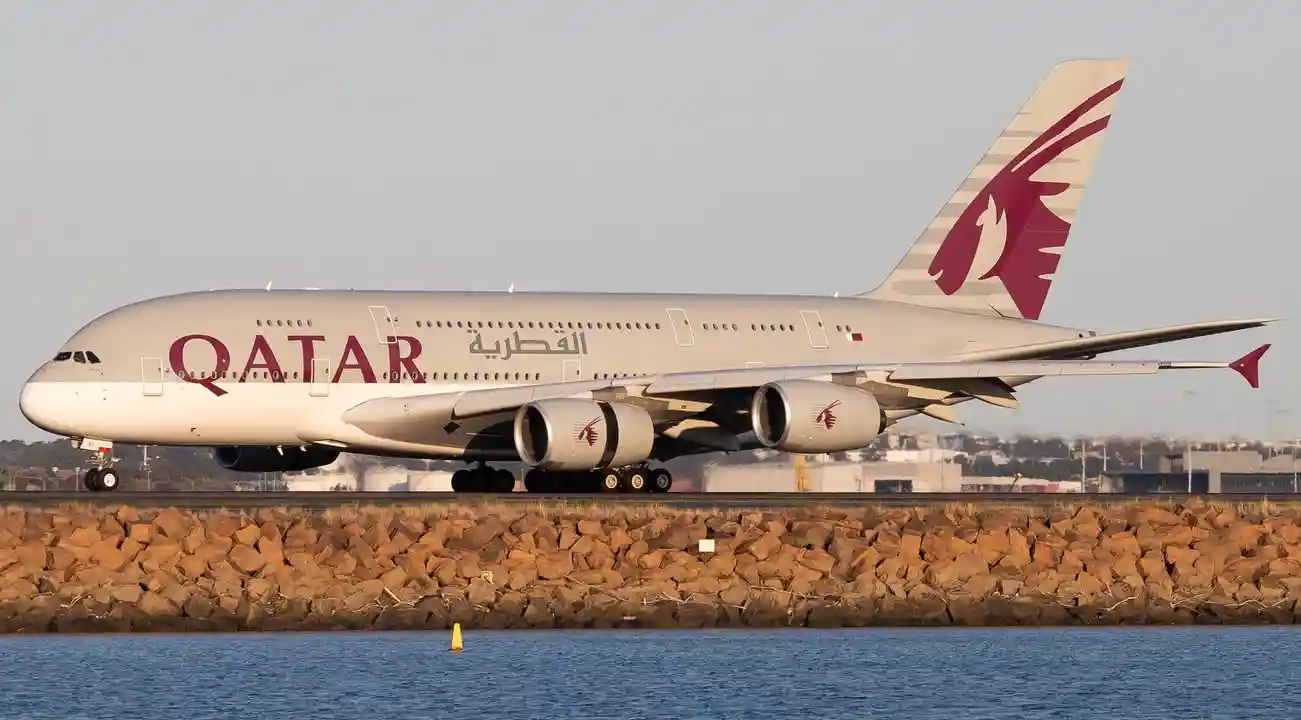
Qatar Airways, a prominent oneworld member and one of the few global carriers operating the Airbus A380, has officially ended services of its double-decker aircraft on five major routes. With eight A380s currently in its fleet, each accommodating 517 passengers, the airline’s move signals a significant shift in its long-haul operations strategy. Two additional frames have been permanently withdrawn, reflecting a broader trend among airlines to optimize fleet efficiency amid fluctuating international travel demand and geopolitical tensions.
The A380 fleet, which has been grounded due to the ongoing war in Iran, was originally scheduled to return to service on June 1, 2026. However, this date has been postponed to June 16, with uncertainty remaining over whether flights will resume then. Qatar Airways’ cautious approach highlights the complex operational challenges of deploying large-capacity aircraft in an era where flexibility and economic efficiency are increasingly critical.
Early Adoption and Network Expansion
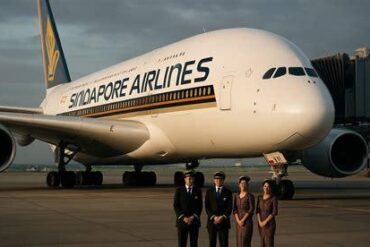
Despite being a late entrant into the A380 program, Qatar Airways embraced the superjumbo in September 2014, seven years after launch customer Singapore Airlines. Over the following decade, the airline used the aircraft to connect Doha Hamad International Airport (DOH) with major global hubs, creating high-capacity corridors that optimized both passenger traffic and international connectivity. Analysis of Cirium Diio data from September 2014 to May 2026 shows that the A380’s deployment was carefully aligned with routes that demanded significant capacity and offered extensive onward connectivity.
Perth: The Most Frequent A380 Destination
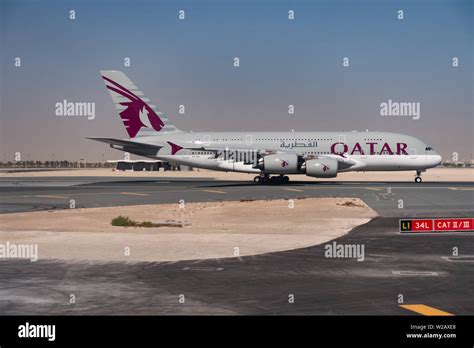
Perth International Airport (PER) was historically Qatar Airways’ top A380 destination, registering 1,543 departures from DOH. Daily flights ran from May 2018 to March 2020 and resumed from December 2022 until June 2025, before the superjumbo’s withdrawal. For the remainder of 2026, the airline will operate 354-seat Boeing 777-300ERs and occasionally the 293-seat Airbus A350-900 on this route.
The removal of the A380 from Perth coincides with Virgin Australia beginning direct services to DOH, using Boeing 777-300ERs and crew leased from Qatar Airways. This partnership, leveraging half of Australia’s traffic rights, is designed to enhance Qatar Airways’ market presence Down Under while maintaining operational efficiency amid geopolitical uncertainties. Virgin Australia’s flights are expected to resume in September 2026, later than other Australia-DOH routes.
Guangzhou and Melbourne: Long-Standing Superjumbo Routes
Qatar Airways also terminated A380 services to Guangzhou (CAN) and Melbourne (MEL), which previously had over 1,000 departures each. Guangzhou, a megacity of 20 million residents within a Pearl River Delta metro area of 40 million, saw daily A380 flights between July 2016 and January 2020. The airline now relies on the 412-seat 777-300ER, offering higher freight capacity, to serve this strategically important Chinese market.
Melbourne’s A380 service ran daily from July 2017 to March 2020, connecting passengers to key European, Middle Eastern, and North African destinations. The A380’s retirement on this route reflects a combination of demand dynamics and operational efficiency considerations, with the 777-300ER and A350-900 now ensuring continued connectivity in partnership with Virgin Australia.
Frankfurt and Atlanta: Routes with Limited A380 Presence
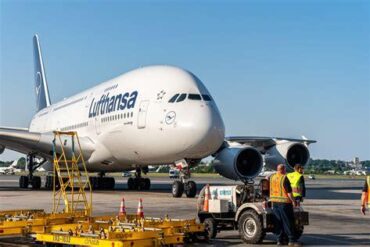
Beyond high-frequency markets, Qatar Airways had a more limited A380 presence at Frankfurt (FRA) and Atlanta (ATL). The carrier operated 364 departures to Frankfurt from March 2019 to March 2020, a daily service designed to complement European connectivity. Other A380 operators have similarly withdrawn from FRA, including Asiana, British Airways (briefly), Korean Air, Lufthansa, and Thai Airways.
Atlanta represents a unique historical deployment, with a single A380 flight on June 1, 2016, marking the inauguration of the route. Subsequent services shifted to smaller widebodies, including the 777-200LR, 777-300ER, A350-900, and A350-1000, reflecting the airline’s strategy to balance capacity with passenger demand.
Strategic Implications for Qatar Airways’ Long-Haul Network
The removal of the Airbus A380 from these five routes demonstrates Qatar Airways’ broader fleet optimization strategy. By reallocating capacity to smaller, more versatile aircraft, the airline can maintain robust service levels while improving operational efficiency, fuel consumption, and load factor management. This move also aligns with trends across the industry, as carriers increasingly favor twin-engine widebodies like the 777-300ER and A350 series over ultra-large aircraft that can pose logistical challenges in volatile international markets.
Qatar Airways’ evolving network underscores the delicate balance between maintaining flagship services and adapting to changing market conditions, geopolitical constraints, and emerging partnerships. The superjumbo’s retirement on these routes does not signal the end of the aircraft entirely for the airline, but it reflects a pragmatic approach to sustaining global connectivity in a cost-conscious and politically complex environment.
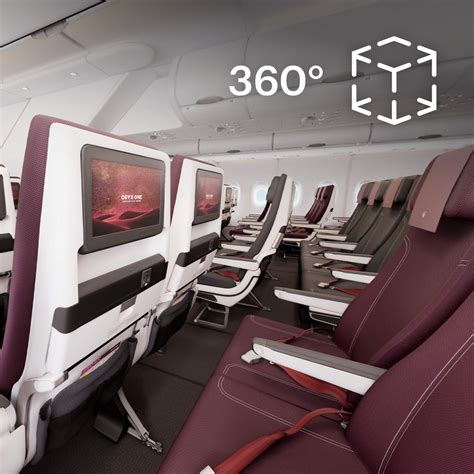
As June 16, 2026 approaches, all eyes will be on Doha to see if the remaining A380s return to the skies, and how this fleet adjustment will shape the airline’s competitive strategy, particularly in Asia-Pacific and Europe, where connectivity and capacity remain critical differentiators.