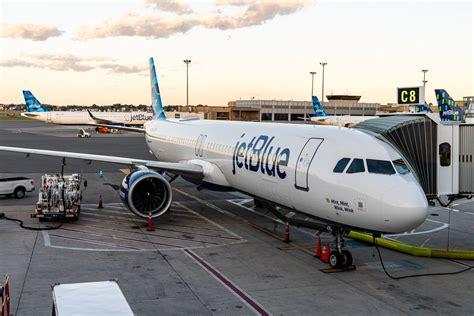
JetBlue Airways is officially pulling out of Miami International Airport (MIA) by September 3, 2025, marking a decisive shift in its South Florida strategy and affecting thousands of travelers who have grown accustomed to its presence in the region. This withdrawal also comes with the elimination of five additional routes, underscoring JetBlue’s broader move to recalibrate its flight network for profitability amid rising operational costs and evolving passenger demand.
JetBlue’s Sudden Departure from Miami: A Strategic U-Turn
JetBlue first entered the Miami market in 2021, a bold step meant to challenge legacy carriers and cement its footprint across South Florida. Initially offering up to 14 daily flights, including high-demand routes to New York, Los Angeles, and Boston, the airline seemed poised to compete head-to-head with industry giants. However, that promise unraveled as flight frequencies dwindled, leaving only one to two daily flights between Boston Logan International (BOS) and MIA.
In a detailed statement, JetBlue CEO Joanna Geraghty attributed the pullback to the need for “network optimization”—a euphemism increasingly common in the industry as airlines reorient around profitable hubs. Geraghty emphasized the importance of “winding down underperforming routes”, with MIA falling squarely into that category.
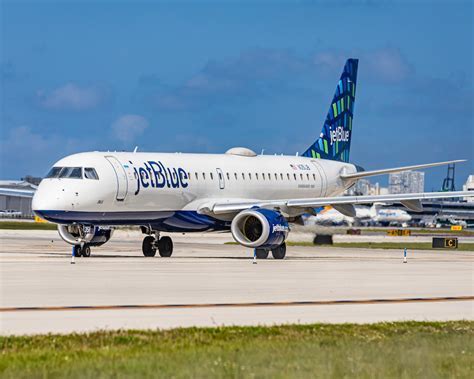
The move does not just represent a geographical shift—it reflects a larger trend among carriers reevaluating their operational models in the face of volatile fuel prices, labor cost increases, and intensifying market competition. JetBlue’s Miami chapter, though ambitious, proved short-lived and unsustainable.
Refunds, Rebookings, and What Affected Passengers Can Expect
The final JetBlue flight out of MIA is scheduled for September 2 or 3, 2025, subject to schedule finalization. For customers already booked beyond this date, JetBlue is proactively reaching out with tailored options:
- Full refunds for all canceled itineraries
- Free rebooking assistance via alternate South Florida airports serviced by JetBlue
Passengers are being advised to review their travel plans immediately and contact JetBlue customer service if their upcoming itinerary includes MIA.
Fort Lauderdale and Palm Beach: Viable Alternatives for South Florida JetBlue Flyers
JetBlue’s departure from Miami does not leave travelers without options. In fact, the airline is bolstering its service through two nearby airports:
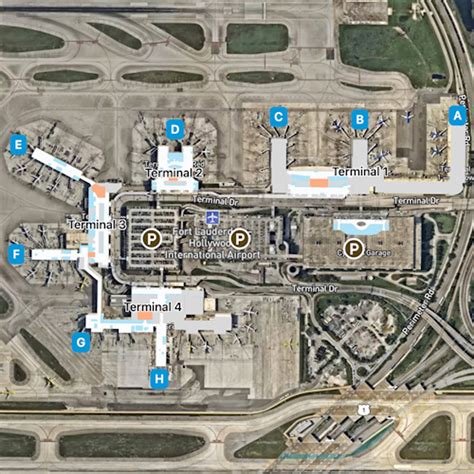
Fort Lauderdale–Hollywood International Airport (FLL) remains a major JetBlue hub, featuring dozens of daily flights to key destinations in the U.S., Caribbean, and Latin America. Located just 25 miles north of MIA, Fort Lauderdale is both geographically and operationally equipped to absorb displaced Miami traffic.
Palm Beach International Airport (PBI), while smaller, offers a streamlined travel experience ideal for passengers originating from or visiting West Palm Beach and nearby areas. Though 70 miles north of Miami, its less congested terminals and expanding JetBlue service make it a credible alternative.

Adding to the convenience is the Brightline high-speed rail service, which now connects Miami, Fort Lauderdale, and West Palm Beach. With fast, modern trains and downtown-to-downtown service, the Brightline offers a smooth transition for travelers needing to bridge the distance between these airports.
JetBlue and United Airlines: Loyalty Partnership Bridges the Gap
For frequent flyers loyal to JetBlue but committed to landing at MIA, there is a workaround. The newly formalized JetBlue–United Airlines partnership allows travelers to earn and redeem TrueBlue points on United-operated flights, many of which serve Miami.
This reciprocal agreement means JetBlue customers can:
- Continue earning loyalty points on Miami-bound flights booked via United
- Use accumulated JetBlue points to book United flights directly to MIA
- Enjoy partial continuity in their rewards experience without losing access to South Florida

Though not a full replacement for JetBlue’s presence at MIA, this partnership mitigates the impact and keeps the airline’s loyal customer base engaged.
The Five Additional Route Closures: Broader Implications
JetBlue’s departure from Miami is only the tip of the iceberg. The airline has announced five more route eliminations as part of its network optimization strategy, including both domestic and international paths:
- San Juan (SJU) to Cancun (CUN): Service ends in August 2025, citing weak off-peak demand.
- New York JFK to Manchester-Boston Regional (MHT): This popular northeast connector is being suspended indefinitely.
- Boston (BOS) to Seattle (SEA): Transitioning to seasonal-only service, limited primarily to summer months.
- Boston (BOS) to Grenada (GND): The seasonal winter route has been eliminated entirely.
Each cancellation represents targeted cost-cutting based on passenger loads, fuel costs, and yield performance. JetBlue’s strategy seems to favor hub consolidation and seasonal flexibility, reducing exposure to underperforming long-haul and leisure-focused routes.
What It Means for South Florida Travelers
For residents and frequent visitors of South Florida, JetBlue’s exit from MIA may feel like a setback. However, the presence of Fort Lauderdale and Palm Beach airports, along with strategic partnerships and modern transportation links, help ease the disruption.
JetBlue customers should:
- Double-check existing bookings involving MIA
- Review alternative schedules from FLL and PBI
- Enroll in United’s MileagePlus and JetBlue TrueBlue programs to maximize rewards across networks
While the loss of direct JetBlue flights into MIA may alter some travel plans, the impact can be managed with minimal inconvenience thanks to the proximity of alternatives and expanded inter-airline cooperation.
JetBlue’s Broader Strategy: A Shift Toward Profit-First Operations
JetBlue’s decision underscores a new phase of financial discipline. As the carrier grapples with slowing revenue growth, staffing pressures, and shifting passenger behavior, every route is being scrutinized for profitability.
What once were growth markets—such as post-pandemic Miami—are now being reassessed through the lens of long-term sustainability. This pivot mirrors industry-wide moves as other carriers like Delta, American, and Southwest also trim or restructure their route networks.
Though some may interpret JetBlue’s retreat as a sign of weakness, it reflects a deeper recalibration toward a leaner, more resilient business model in an increasingly unpredictable travel ecosystem.
Final Thoughts: Navigating a Changing Flight Landscape
JetBlue’s withdrawal from MIA and the simultaneous pruning of multiple other routes reveal a critical truth: air travel in 2025 is more dynamic than ever. Airlines are no longer betting on broad expansions—they’re tightening networks, forming alliances, and focusing intensely on passenger value and route economics.
For travelers, the lesson is to stay flexible, remain informed, and take advantage of the alternatives and partnerships that continue to evolve. JetBlue may be leaving Miami International Airport, but South Florida remains deeply connected, accessible, and vibrant for travelers who know where—and how—to look.