The IATA airline designator ‘V’ is more than just a letter; it represents a vast array of aviation operators spanning continents, functions, and histories. Airlines assigned with codes beginning with ‘V’ demonstrate the diverse structure of global air transport, from legacy brands to niche charter operators, from major international players to defunct or absorbed carriers.
These codes serve not only as identifiers but as essential tools in air traffic control, ticketing systems, and airline alliances. Here, we explore the airlines listed under the ‘V’ IATA designator, examining their geographical distribution, historical evolution, operational status, and significance within the global aviation ecosystem.
The Strategic Role of IATA and ICAO Airline Codes
The International Air Transport Association (IATA) assigns two-letter codes primarily used by the public and commercial sectors, while the International Civil Aviation Organization (ICAO) assigns three-letter codes used in flight operations and air traffic management. Each code is complemented by a unique callsign, used in air-ground communication. The airline code beginning with ‘V’ encompasses a notable spectrum of such designators, helping maintain global aviation safety, consistency, and organization.
Major Carriers Represented by V Codes
Several major airlines operating under ‘V’ designators have left significant marks on the industry:
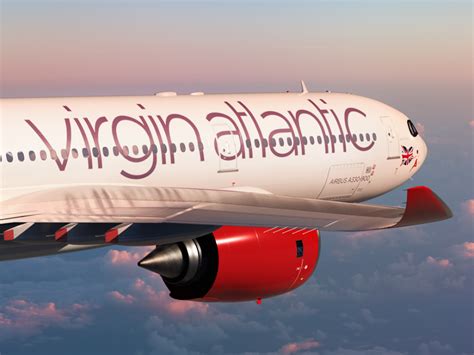
Virgin Atlantic (VS / VIR) – Based in the United Kingdom, this flagship carrier under Richard Branson’s Virgin Group became a transatlantic powerhouse with a focus on premium service and innovation. Known by the callsign VIRGIN, it remains one of the most globally recognized brands in aviation.
Virgin Australia (VA / VOZ) – With its callsign VELOCITY, Virgin Australia has redefined domestic and international travel in Australia. The airline has undergone substantial transformations, absorbing prior Virgin Group ventures and restructuring after financial challenges.
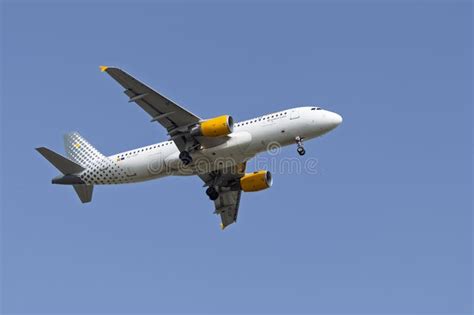
Vueling Airlines (VY / VLG) – A Spanish low-cost carrier, VUELING serves numerous European destinations. As part of the International Airlines Group (IAG), Vueling has established itself as a critical player in budget travel across the continent.
Low-Cost and Regional Airlines with Growing Influence
The growth of low-cost carriers (LCCs) across Asia, Latin America, and Africa is reflected in the rise of V-code airlines:
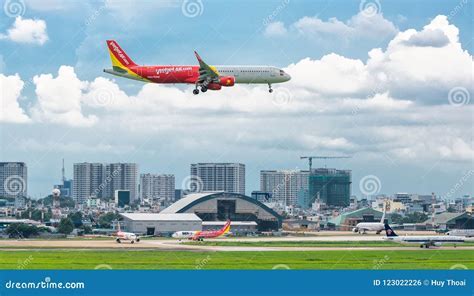
Vietjet Air (VJ / VJC) – Known by the callsign VIETJET, this Vietnamese LCC rapidly expanded both domestically and internationally. Its vibrant branding and aggressive pricing have positioned it as a serious rival to legacy carriers in Southeast Asia.
VivaAerobus (VB / VIV) – Based in Mexico, this airline operates under the callsign VIVA. It emphasizes ultra-low-cost fares and has seen remarkable growth in the Latin American region.
Viva Air Colombia (VH / VVC) – Another important regional player in Latin America, Viva Air Colombia (callsign: VIVA AIR COLOMBIA) has helped make air travel more accessible to millions across Colombia and Peru.
Volaris (Y4 / VOI) – Although its IATA code doesn’t begin with V, Volaris operates closely with V-code airlines and represents the success of LCC models in Mexico, linking with VivaAerobus in various market segments.
Legacy and Defunct Carriers
The list also includes several historical or merged airlines, now absorbed into larger entities or ceased operations:
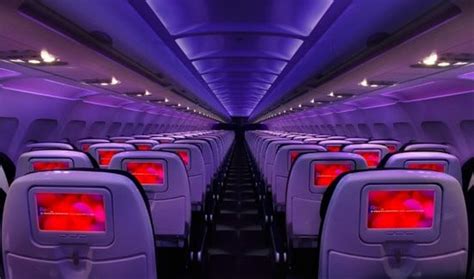
Virgin America (VX / VRD) – Once a stylish and tech-savvy U.S.-based carrier, Virgin America used the callsign REDWOOD. It was acquired and merged into Alaska Airlines, but its brand and culture left an enduring influence on passenger expectations.
Viva Macau (ZG / VVM) – Using the callsign JACKPOT, this airline offered services from Macau to key Asian cities before ceasing operations. It reflects the volatile nature of new entrants in high-growth regions.
ValuJet Airlines (J7 / VJA) – An infamous name in U.S. aviation history, ValuJet used the callsign CRITTER. After a series of safety concerns, it rebranded and merged into AirTran Airways, which itself was later absorbed by Southwest Airlines.
Specialty, Charter, and Regional Niche Carriers
Several special operations and charter airlines also use ‘V’ codes. These include:
- Voyageur Airways (VC / VAL) – Based in Canada, this charter operator (callsign: VOYAGEUR) serves government and humanitarian missions, especially in remote or conflict-prone regions.
- Vietnam Air Services Company (0V / VFC) – Known as VASCO, this regional arm of Vietnam Airlines supports domestic and feeder services to underserved airports.
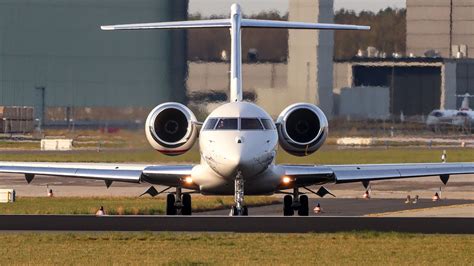
- VistaJet (VJT / VISTA) – A global business aviation firm, VistaJet has operations registered in both Malta and Canada, catering to elite clientele with high-end charter services.
The Rise and Fall of Virtual and Emerging Airlines
Not every airline with a V code has thrived. Several virtual carriers and small-scale ventures either disappeared quickly or exist only in niche contexts:
- Veca Airlines (VAR / VECA) – Once hailed as a new hope for regional air travel in El Salvador, this airline ended operations amid financial struggles.
- Vanilla Air (JW / VNL) – A once-promising Japanese LCC, Vanilla Air merged with Peach Aviation, streamlining ANA Holdings’ budget airline portfolio.
- VLM Airlines (VG / VLM) – A Belgian regional carrier (callsign: RUBENS) that ceased operations in 2018. It had a long-standing presence connecting smaller European cities.
Callsign Culture and Brand Identity
Many V-code airlines adopted distinctive callsigns to enhance brand visibility and facilitate smooth communication in the skies. These include:
- “VELOCITY” for Virgin Australia, reinforcing its dynamic image.
- “CRITTER” for ValuJet, a whimsical reference to its cartoonish mascot.
- “SKY VICTOR” for Iran’s Varesh Airlines, evoking imagery of aerial dominance.
- “VIETNAM” for Vietnam Airlines (VN / HVN), anchoring national identity in international airspace.
The callsign strategy blends operational need with marketing value, especially in crowded airspace where clarity prevents miscommunication.
Controlled Duplicates and Code Transfers
The IATA has strict policies on code assignments, occasionally reissuing codes. For instance:
- The J7 code originally belonged to ValuJet Airlines and was later reassigned.
- VA was used by Viasa, a now-defunct Venezuelan airline, before being reassigned to Virgin Australia.
These code transfers ensure minimal confusion while maintaining relevance in modern systems. The historical shadow of these codes often remains part of industry lore.
Conclusion: Understanding V-Code Airlines in a Global Context
The airlines that bear the ‘V’ designator span a broad spectrum of sizes, functions, and lifespans. From major players like Virgin Atlantic and Vueling to smaller, specialized operators like Voyageur Airways and VICAS in Brazil, the variety underlines the rich complexity of the aviation sector. Some, like Virgin America or ValuJet, have disappeared but left an indelible mark on air travel history. Others, like Vietjet and VivaAerobus, symbolize the future of budget travel in emerging markets.
By understanding these carriers not only through their codes but also through their operations and histories, we gain a deeper appreciation of how air transport connects the world, one callsign at a time.