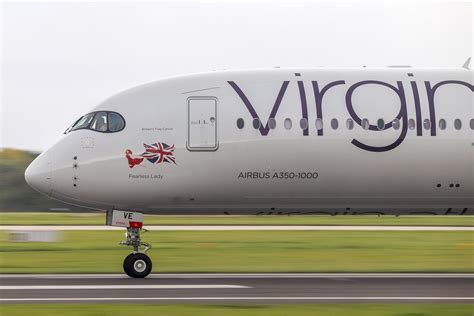
Virgin Atlantic has filed for Chapter 15 bankruptcy protection in the United States, marking one of the most significant financial developments in the global aviation sector since the COVID-19 pandemic devastated international travel demand. The filing, submitted in New York, is designed to protect the airline’s American assets and support its broader restructuring efforts as the carrier races to secure its long-term future.
The move comes amid mounting pressure on the long-haul airline, which warned it could run out of cash reserves by September if a previously announced rescue package failed to gain approval. Virgin Atlantic, jointly owned by Virgin Group and Delta Air Lines, has been among the airlines hardest hit by border closures, quarantine restrictions, and the collapse of transatlantic passenger traffic.
Unlike traditional bankruptcy proceedings associated with liquidation, the filing represents a strategic legal mechanism intended to preserve operations while restructuring debt obligations and securing new investment. The company emphasized that the action would not directly affect employees, existing bookings, or customer refunds currently being processed.
Virgin Atlantic Turns to Chapter 15 Protection in New York
Virgin Atlantic’s filing under Chapter 15 of the US Bankruptcy Code allows foreign companies undergoing restructuring proceedings in another country to protect assets located in the United States. The legal process is commonly used by international corporations seeking recognition of overseas insolvency or restructuring arrangements in American courts.
For Virgin Atlantic, the filing complements parallel proceedings already underway in the United Kingdom. Earlier in the week, a British court approved the airline’s request to convene creditor meetings scheduled for August 25, where stakeholders will vote on a proposed recovery plan.
The airline described the process as a “solvent restructuring”, indicating that the carrier intends to continue operating while reorganizing its financial commitments. The objective is not liquidation, but survival through recapitalization and cost reduction.
Court documents painted a stark picture of the aviation industry’s collapse during the pandemic. The filing stated that COVID-19 had triggered a near-total shutdown of global passenger aviation, severely impacting Virgin Atlantic’s ability to generate revenue while maintaining large operational expenses.
Pandemic Devastates Long-Haul Airline Operations
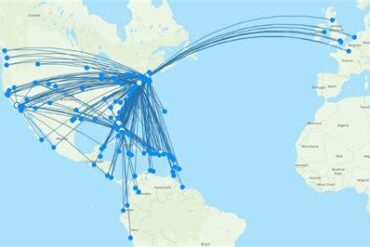
Virgin Atlantic’s business model left it particularly vulnerable during the pandemic. Unlike diversified carriers with domestic networks, the airline relies almost entirely on long-haul international flights, especially lucrative transatlantic routes connecting the United Kingdom and the United States.
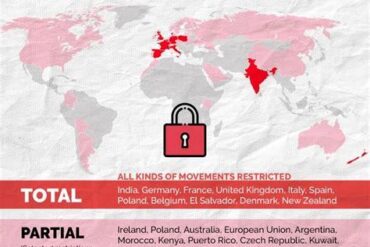
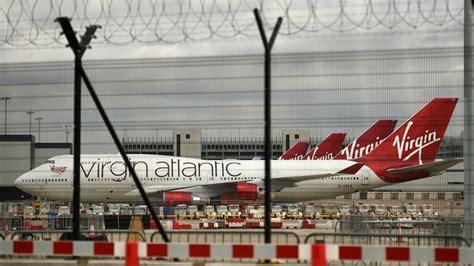
As governments imposed travel bans and quarantine measures, passenger demand evaporated. Aircraft were grounded for months while the company continued facing substantial fixed costs, including aircraft leases, airport fees, and employee expenses.
At the same time, the airline was required to process hundreds of millions of pounds in customer refunds for canceled flights. The financial strain intensified rapidly as cash reserves dwindled.
The carrier had already announced major cost-cutting measures in May, including plans to eliminate more than 3,000 jobs and permanently cease operations at London Gatwick Airport. Consolidating flights at Heathrow became a central part of Virgin Atlantic’s strategy to streamline operations and reduce overhead.
£1.2 Billion Rescue Deal Becomes Critical to Survival
Last month, Virgin Atlantic revealed a proposed £1.2 billion restructuring and rescue package backed by shareholders, private investors, and financial stakeholders. The plan includes new private funding, support from Virgin Group, deferred payment arrangements, and renegotiated aircraft leasing agreements.
The restructuring proposal is designed to stabilize the airline over a five-year period while international travel gradually recovers. Without the deal, the company warned that its financial position could become unsustainable within weeks.
The crisis also renewed scrutiny over billionaire founder Sir Richard Branson, whose Virgin Group retains a controlling stake in the airline. Earlier in the pandemic, Virgin Atlantic faced criticism after seeking government-backed financial assistance while Branson’s broader business empire included valuable assets outside aviation.
Despite political backlash, Virgin Atlantic argued that the scale of the aviation collapse required extraordinary measures to protect thousands of jobs and maintain competition on key international routes.
Virgin Atlantic’s Struggles Reflect Wider Aviation Industry Crisis
Virgin Atlantic is far from alone in confronting severe financial turmoil. Airlines worldwide have pursued emergency funding, government bailouts, restructuring agreements, and bankruptcy protection as the pandemic continues reshaping the industry.
Virgin Australia, another carrier linked to the Virgin brand, entered administration earlier in the year while burdened with more than £2.5 billion in debt. Across Europe, Asia, and North America, carriers have retired aircraft fleets, reduced staffing levels, and slashed route networks in an effort to survive.
Industry analysts believe recovery for international aviation could take several years, especially for premium long-haul travel markets that traditionally generated substantial profits for airlines like Virgin Atlantic.
Future of Virgin Atlantic Depends on Creditor Approval
The coming weeks are expected to determine whether Virgin Atlantic can successfully avoid deeper insolvency proceedings. Creditor approval of the restructuring plan remains essential, as does the gradual reopening of international travel corridors between major global markets.
While the airline insists operations will continue normally, the bankruptcy protection filing underscores the extraordinary pressure facing even globally recognized carriers during the pandemic era. For Virgin Atlantic, the Chapter 15 filing represents both a defensive legal strategy and a final opportunity to stabilize finances before the crisis deepens further.