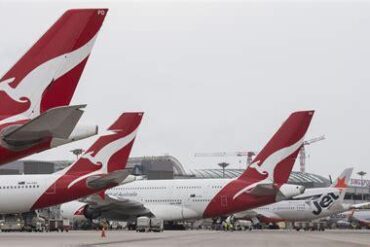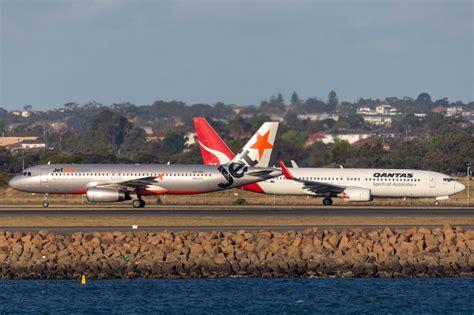
The global aviation industry faced unprecedented disruption during the COVID-19 pandemic, but the aftermath has continued long after aircraft returned to the skies. One of the most significant developments in the post-pandemic legal landscape is the $74 million settlement agreed by Qantas Airways over its handling of passenger refunds. The resolution of this class action lawsuit marks a major moment for airline accountability and raises a critical question across Australia’s aviation market: could passengers of Jetstar Airways soon receive similar compensation?
The settlement stems from widespread flight cancellations between 2020 and 2022, when travel restrictions forced airlines worldwide to ground fleets and rapidly change schedules. While many carriers struggled to process refunds, the dispute surrounding Qantas centered on its practice of issuing travel credits rather than cash refunds, a policy that many passengers claimed violated both their ticket conditions and consumer protection laws.
For affected travelers, the agreement represents a potential financial recovery after years of frustration. For the airline industry, it signals that pandemic-era policies are now facing intense legal scrutiny.
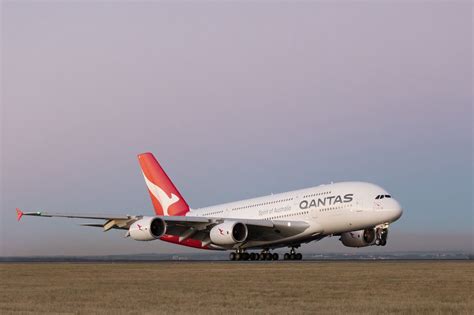
The Legal Battle Behind the $74 Million Settlement
The class action lawsuit against Qantas was brought on behalf of thousands of passengers whose flights were canceled during the height of the pandemic. According to the legal firm leading the case, the airline’s decision to issue travel credits instead of cash refunds breached the contractual agreement between the airline and its customers.
Under the terms of the settlement, Qantas has agreed to pay approximately $74 million to affected passengers, although the company has made it clear that the deal does not represent an admission of liability. The payout remains subject to court approval, after which eligible customers will receive instructions on how to claim their portion of the compensation.
The scale of the settlement is notable for another reason: it is nearly double the amount Qantas had previously indicated to investors it expected to pay, which had been estimated at around $38.4 million. The final figure reflects the magnitude of the claims and the number of passengers affected during the airline’s pandemic-era disruptions.
Much of the controversy centered on consumer rights under Australian law. Reports from consumer advocacy groups revealed that many passengers were not informed they had the right to request a cash refund, instead being offered travel credits as the default solution. For customers who had no immediate plans to travel again, these credits often provided little practical value.
Consumer Complaints and Regulatory Pressure
The dispute did not arise in isolation. During the pandemic, consumer watchdogs received hundreds of complaints from passengers who felt airlines were failing to provide clear refund options. Many customers reported difficulties contacting airlines or navigating complicated refund processes while travel restrictions remained in place.
Airlines argued that the crisis created operational challenges on a scale never previously experienced. With thousands of flights canceled worldwide and millions of refund requests flooding booking systems, many carriers implemented credit-based solutions to preserve liquidity and manage the surge in claims.
However, consumer advocates argued that financial pressure on airlines did not justify overriding passenger rights. In the case of Qantas, the class action ultimately forced the airline to revisit its policies and negotiate a settlement designed to compensate customers who may have been improperly denied refunds.
Could Jetstar Passengers Receive Compensation Too?
Attention is now turning toward Jetstar Airways, the low-cost airline owned by the Qantas Group. Although Jetstar operates as a separate brand with its own business model, it is fully integrated within the broader corporate structure of its parent company.
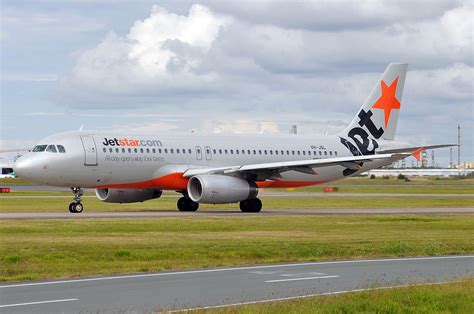
Jetstar is currently facing a separate class action lawsuit that raises similar allegations about refund practices during the pandemic. The claim argues that passengers whose flights were canceled were issued travel credits that were worth less than the cash refunds they were entitled to receive under the airline’s contract of carriage.
The details of Jetstar’s policies are important to understanding the case. Under the airline’s rules:
- If a flight cancellation occurs due to circumstances beyond the airline’s control and no replacement itinerary is available, customers typically receive travel credits.
- If the cancellation occurs for reasons within the airline’s control and a replacement flight cannot be offered, passengers are entitled to a cash refund instead of credits.
The lawsuit claims that these distinctions were not always applied correctly during the pandemic disruptions. As a result, passengers who should have received refunds allegedly received credits with lower value or limited usability.
Unlike the Qantas case, Jetstar has not yet reached a settlement and is actively defending the claims in court. The outcome could take time, but the Qantas agreement has intensified speculation that Jetstar may eventually face pressure to resolve its own legal challenge.
Pandemic Refund Disputes Across the Global Airline Industry
The situation faced by Qantas and Jetstar reflects a broader trend that has affected airlines worldwide since the pandemic. Refund disputes became a common flashpoint as carriers struggled to cope with unprecedented cancellations and operational uncertainty.
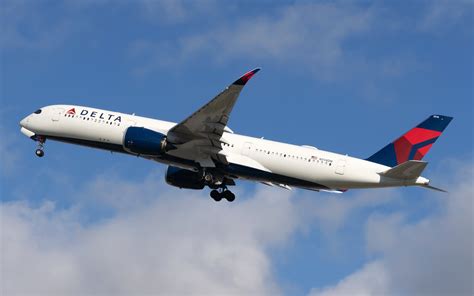
One prominent example involved Delta Air Lines, which faced a class action lawsuit in the United States over allegations that passengers were given travel credits instead of refunds for canceled flights. While the airline denied violating any contractual obligations, the dispute ultimately concluded with a $30 million settlement.
Regulators also became increasingly active in enforcing passenger rights. The United States Department of Transportation imposed $2.5 million in civil penalties on several international carriers for delays in processing pandemic-era refunds. Airlines including Lufthansa, Air France, and KLM were cited in connection with the investigation.
The regulatory findings revealed the scale of the challenge facing airlines at the time. Lufthansa reported that it was receiving two months’ worth of refund requests every single day, overwhelming existing customer service systems. While the airline eventually processed all refunds, the delay resulted in regulatory penalties.
These cases highlight the delicate balance airlines attempted to maintain during the crisis. Protecting financial stability often conflicted with consumer expectations and legal obligations, creating disputes that are only now being resolved years later.
What the Settlement Means for Airline Accountability
The Qantas settlement represents more than just financial compensation for passengers. It signals a shift toward greater accountability in how airlines handle customer rights during crises. The pandemic exposed weaknesses in refund policies, communication practices, and regulatory enforcement across the aviation industry.
For passengers, the outcome reinforces an important principle: airlines must honor refund obligations even during extraordinary circumstances. Legal actions brought by consumers and advocacy groups have demonstrated that contractual protections remain enforceable despite the chaos of global travel disruptions.
For airlines, the case serves as a reminder that decisions made during emergencies can have long-term legal and financial consequences. As aviation continues its recovery and passenger numbers climb back toward pre-pandemic levels, companies are likely to review their customer policies to prevent similar disputes in the future.
The final chapter may not yet be written. With Jetstar’s case still progressing through the courts, thousands of passengers across Australia and New Zealand are watching closely. If the legal arguments mirror those raised in the Qantas lawsuit, the aviation industry could soon see another major refund payout linked to the pandemic era—one that further reshapes expectations for passenger rights in global air travel.