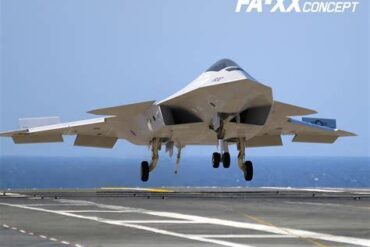
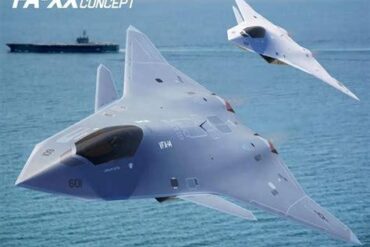
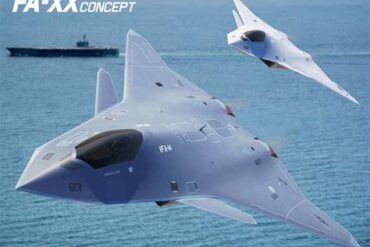
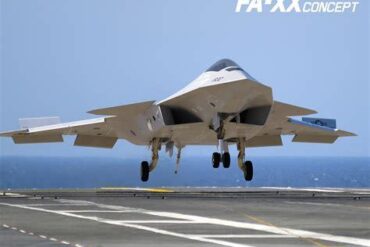
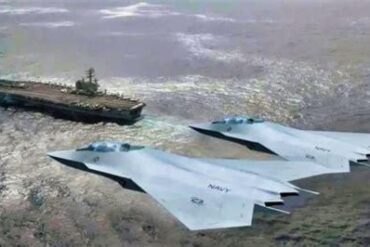
The U.S. Navy’s F/A-XX sixth-generation stealth fighter program—once envisioned as the future cornerstone of carrier-based air power—is now teetering on the brink of collapse. Following recent Pentagon budget realignments, the program has been effectively defunded, leaving the Navy scrambling for alternatives to maintain air dominance in an era of peer adversaries like China and Russia.
The F/A-XX: A Program in Peril
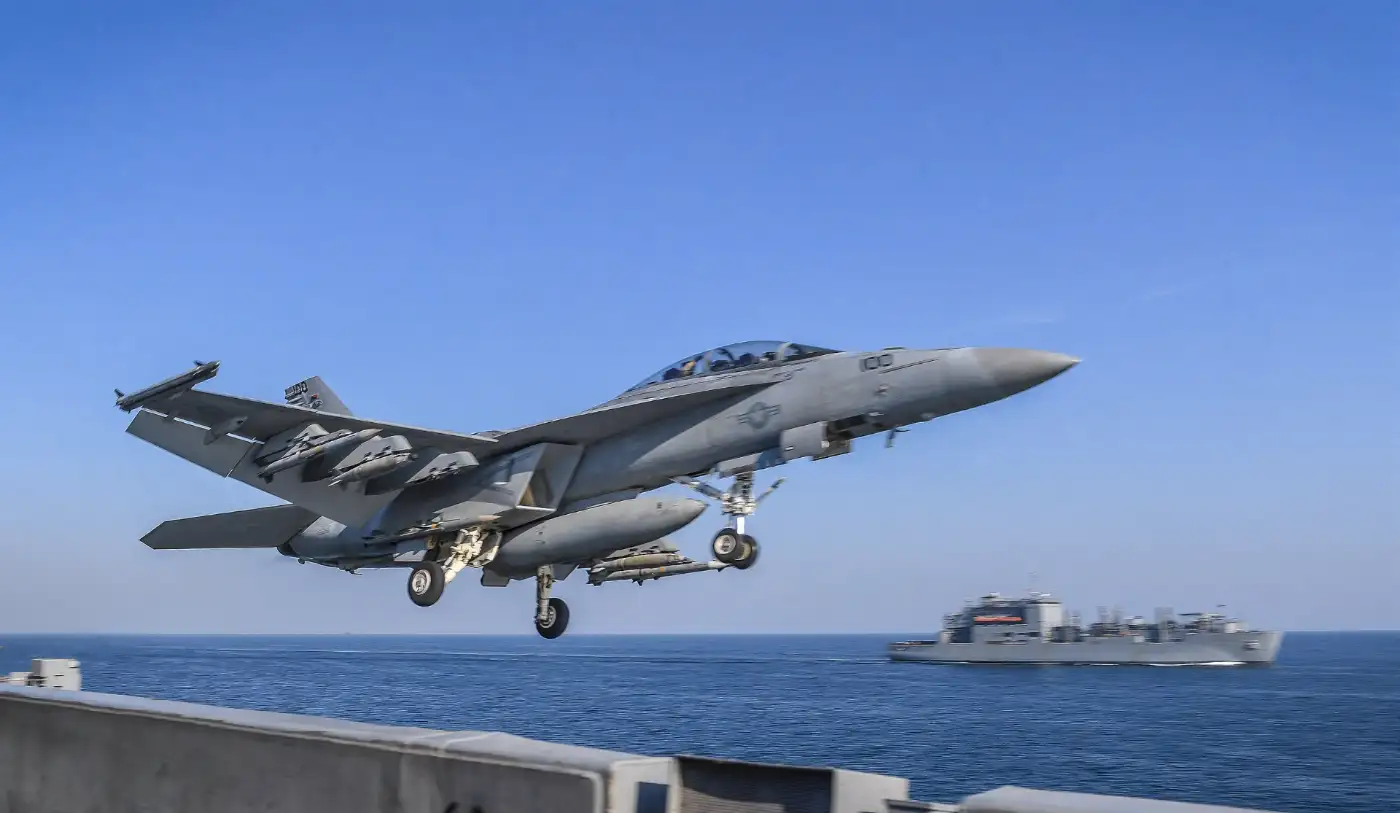
The F/A-XX program emerged as the Navy’s answer to a growing threat environment, aiming to replace the aging fleet of F/A-18E/F Super Hornets with a sixth-generation platform boasting stealth, extended range, and advanced avionics. It was envisioned as a key part of the “Air Wing of the Future,” providing the reach and survivability required to operate in contested Indo-Pacific environments dominated by China’s rapidly advancing anti-access/area denial (A2/AD) systems.
Yet, as of the 2026 Fiscal Year, the program has been dealt a critical blow. The Pentagon has slashed the Navy’s budget request for the F/A-XX to just $74 million, down from the $1.4 billion sought on the Unfunded Priorities List. This meager allocation is enough to continue preliminary design work but halts significant development, effectively freezing the program at a conceptual stage.
The Air Force’s NGAD Takes Priority
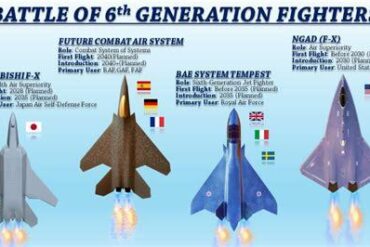
Behind the Navy’s setback is the Pentagon’s prioritization of the Air Force’s F-47 Next-Generation Air Dominance (NGAD) program. Officials argue that the defense industrial base lacks the capacity to handle two simultaneous sixth-generation fighter programs. The Trump administration reinforced this stance, noting that prioritizing NGAD is crucial to avoiding delays and resource bottlenecks.
“The industrial base simply cannot support two sixth-gen programs in parallel without sacrificing one,” said a White House statement. “Awarding the F/A-XX contract as written is likely to delay the higher-priority F-47 program, with little chance of expediting the Navy’s fielding timeline.”
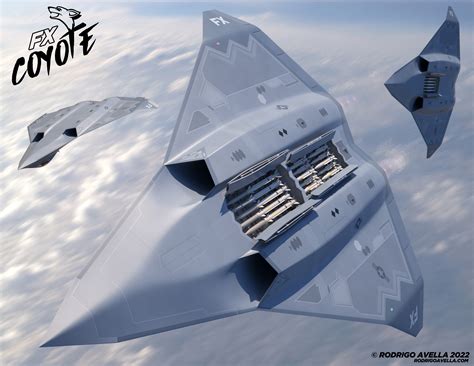
This move underscores a longstanding rivalry between the Air Force and Navy for limited defense dollars—a rivalry now manifesting in the Navy being asked to take a back seat while the Air Force’s NGAD accelerates.
Carriers at Risk: The Strategic Consequences
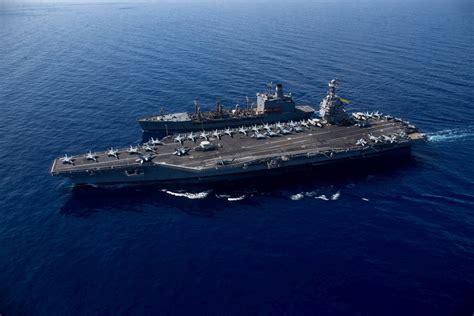
For the Navy, the implications are stark. Its Nimitz- and Ford-class aircraft carriers, worth billions, are increasingly vulnerable without a next-generation fighter capable of countering China’s expanding missile arsenal and carrier-killer strategies. The F-35C, while advanced, lacks the range and payload capacity needed for deep penetration missions in the Western Pacific, where Chinese DF-21D and DF-26 missiles threaten U.S. naval forces.
The Super Hornets currently filling the Navy’s flight decks are also nearing obsolescence. Many airframes have logged decades of service and face maintenance and survivability challenges in modern high-threat environments. Without the F/A-XX, the Navy risks being outpaced in air superiority—a dangerous proposition in a conflict scenario.
A Navalized F-47? A Compromise With Challenges
One proposed solution is to adapt the Air Force’s F-47 NGAD for carrier operations. This would involve integrating naval features such as folding wings, strengthened landing gear, and a tail hook for arrested recoveries. However, history is rife with problematic conversions of Air Force jets for naval use. The structural demands of carrier landings are punishing, and retrofitting an aircraft designed for land-based operations often results in compromised performance and reliability.
Such a move could also strain the already overburdened production lines of the F-47 program, further complicating timelines for both services.
Statements From Navy Leadership
Secretary of the Navy John Phelan addressed these challenges during a House Armed Services Committee hearing on June 11, emphasizing the urgent need for a next-generation platform:
“Sixth-gen is important, and it’s critical for the future of the carrier air wing. But we have to look at the full spectrum of capabilities—manned and unmanned—and assess what will give us the edge in the coming decades.”
Chief of Naval Operations Admiral James Kilby echoed these sentiments, warning that the delay of the F/A-XX leaves the fleet vulnerable at a time when adversaries are making rapid technological strides.
The Industrial Base Bottleneck
At the core of the issue is the fragile state of the U.S. defense industrial base. Years of consolidation have left only a handful of major players—Lockheed Martin, Boeing, and Northrop Grumman—capable of producing advanced fighters. Lockheed Martin has already been eliminated from the F/A-XX competition, leaving Boeing and Northrop Grumman as contenders.
Yet, with Boeing tied up in both F/A-18 support and F-47 production, and Northrop Grumman deeply invested in other major programs, resources for a standalone F/A-XX program are scarce. This bottleneck has fueled the Pentagon’s skepticism about launching two major sixth-gen fighter programs in parallel.
What’s Next for the F/A-XX?
The program’s future remains uncertain. While defense hawks in Congress have pushed for restoring funding, the Pentagon’s priorities lean heavily toward the Air Force’s NGAD. Without a significant shift in budgetary allocations—or a breakthrough in industrial capacity—the F/A-XX risks becoming a paper project.
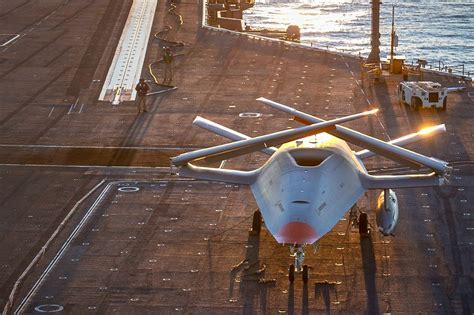
In the meantime, the Navy may need to rely more heavily on unmanned platforms like the MQ-25 Stingray for refueling and extended reach, along with incremental upgrades to the F-35C and Super Hornet fleet. But these measures are stopgaps, not solutions, for the deep strike and air superiority capabilities the F/A-XX was meant to deliver.
Why This Matters Now
This crisis isn’t about a distant future program—it’s about the immediate survivability of the Navy’s carrier strike groups. As China ramps up its naval expansion and develops hypersonic weapons, the window for the Navy to field a credible sixth-generation platform is closing. The F/A-XX was supposed to be that platform. Without it, the Navy risks losing its long-held advantage in carrier-based air power.
For now, the fate of the F/A-XX hangs in the balance—a victim of budget battles, industrial limitations, and shifting Pentagon priorities. Unless Congress intervenes decisively, the U.S. Navy may enter the next decade without the cutting-edge fighter it desperately needs, leaving its carriers—and America’s power projection—dangerously exposed.