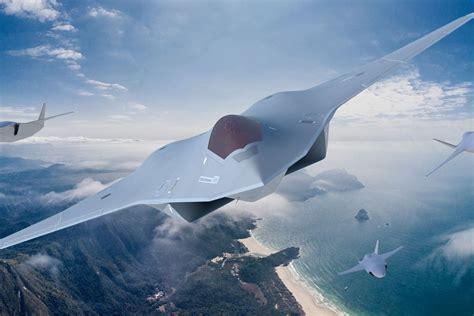
The dawn of the sixth-generation fighter marks a transformative leap in air combat evolution. These next-generation warplanes represent more than an iterative advancement—they are purpose-built for the anticipated realities of 21st-century warfare: digitally integrated, optionally manned, AI-enhanced, and strategically embedded within broader cyber, space, and electronic domains. As multiple global powers pursue their versions of this airborne revolution, the race is on not just for technological superiority, but for sustained dominance in contested skies.
Defining the Sixth-Generation Paradigm
A sixth-generation fighter is not merely a faster or stealthier aircraft. It embodies a system-of-systems approach, merging cutting-edge aeronautics with networked intelligence, space-based assets, and electromagnetic supremacy. Unlike the fifth-generation fighters—such as the F-22 Raptor or F-35 Lightning II—which prioritized stealth and multirole flexibility, sixth-gen aircraft are conceived with a far more complex threat matrix in mind.
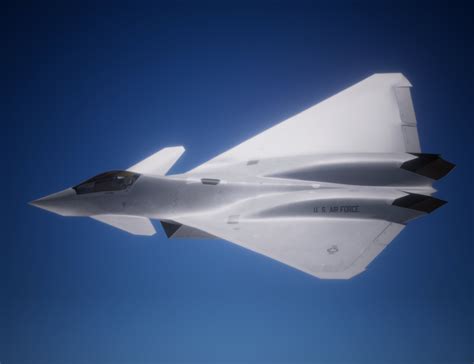
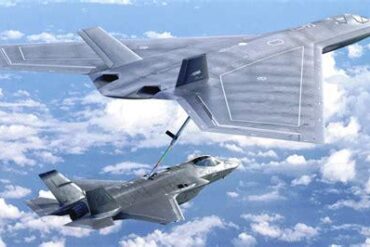
These fighters are expected to operate in anti-access/area denial (A2/AD) zones, where adversary air defenses are dense and persistent. To overcome these threats, sixth-gen platforms will rely on advanced stealth profiles, AI-assisted decision-making, and variable-cycle propulsion systems that provide superior thrust and fuel economy across a spectrum of missions. But most crucially, they will act as networked command nodes—aggregating data from satellites, drones, cyber units, and battlefield sensors to deliver rapid, actionable intelligence across domains.
Core Characteristics and Technologies
What truly defines sixth-generation fighters is their integrated architecture, where software, sensors, propulsion, and human-machine interfaces are designed from inception to be modular and upgradable. This enables persistent adaptability in the face of emerging threats.
Key attributes include:
- AI-driven sensor fusion and decision support: These platforms incorporate onboard artificial intelligence to streamline data-to-decision cycles, allowing pilots—or autonomous systems—to act faster than opponents.
- Virtual cockpits and helmet-mounted displays (HMDs): Traditional dashboards are replaced by augmented reality environments projected directly onto the pilot’s helmet, enabling seamless control and situational awareness.
- High-bandwidth, low-latency networking: These jets will act as airborne cloud nodes, synchronizing with ground units, satellites, UAVs, and naval forces in real time.
- Optionally manned configurations: Aircraft may be flown by human pilots, remotely operated, or controlled entirely by AI. This versatility supports high-risk missions without compromising human lives.
- Directed energy weapons and advanced CIWS: As hypersonic threats and drone swarms emerge, onboard laser or microwave weapons may serve as last-resort defenses.
- Gallium nitride (GaN) electronics: Power-efficient components will support high-output radar, jammers, and communication systems, even under hostile jamming environments.
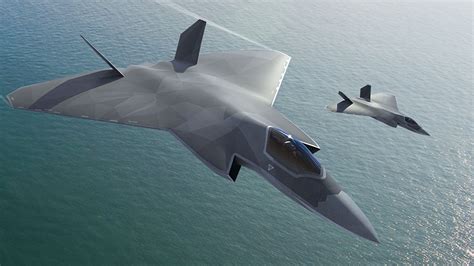
The propulsion systems are also being revolutionized. Variable-cycle engines under development offer mission-optimized configurations—high-thrust when needed, and long-range efficiency during cruise. This enhances not only combat flexibility but also the aircraft’s global reach, potentially bordering on suborbital operations for strategic repositioning or space mission support.
Global Development Programs
Unlike earlier fighter generations, sixth-gen initiatives are inherently collaborative, often involving multilateral industrial alliances to reduce cost and accelerate development. Here’s how leading nations are advancing their sixth-generation visions:
United States
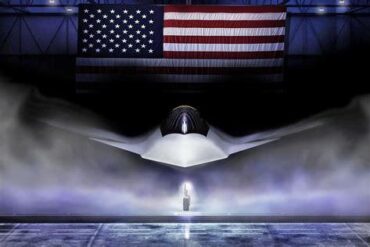
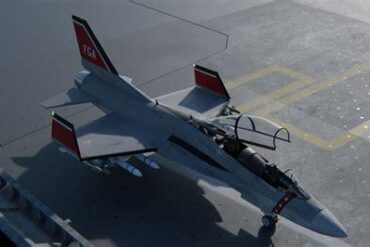
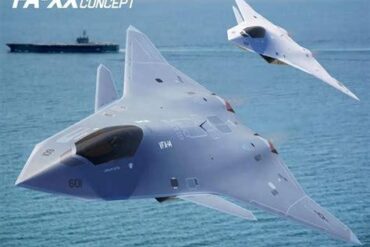
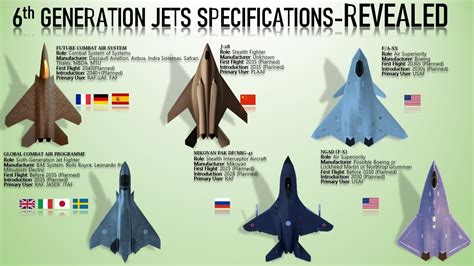
The United States has taken a decisive lead with its Next Generation Air Dominance (NGAD) and F/A-XX programs, driven by the U.S. Air Force and Navy respectively. With conceptual efforts starting in the early 2010s, DARPA’s joint initiatives have already produced prototype X-planes, testing stealth, propulsion, and AI capabilities. On March 21, 2025, Boeing’s F-47 was selected as the NGAD winner—a stealthy, modular, optionally manned aircraft designed for network-centric warfare.
United Kingdom, Japan, and Italy: Global Combat Air Programme (GCAP)
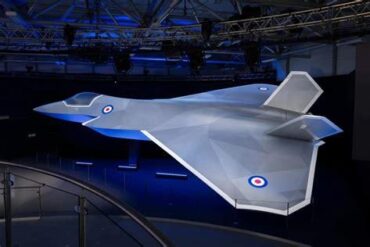
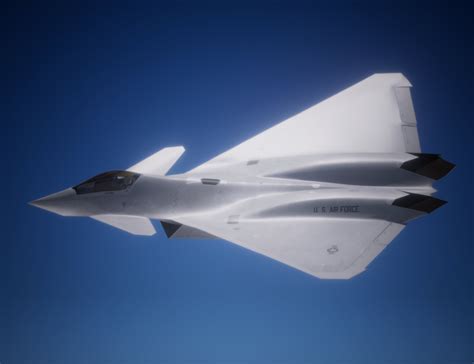
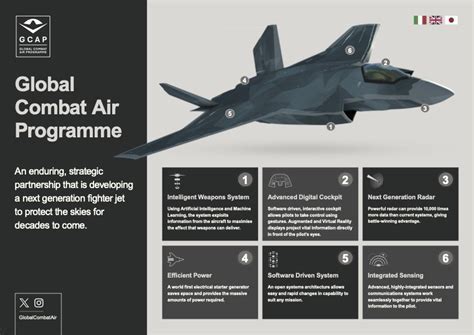
Born from the merger of the UK’s Tempest, Japan’s F-X, and Italy’s industrial contributions, GCAP represents one of the most sophisticated collaborative fighter programs. The Tempest, revealed in 2018, features advanced sensor fusion, AI co-piloting, and open mission systems. Japan’s prior research with the Mitsubishi X-2 Shinshin, which flew in 2016, laid crucial groundwork for stealth shaping and flight control.
France, Germany, Spain: Future Combat Air System (FCAS)
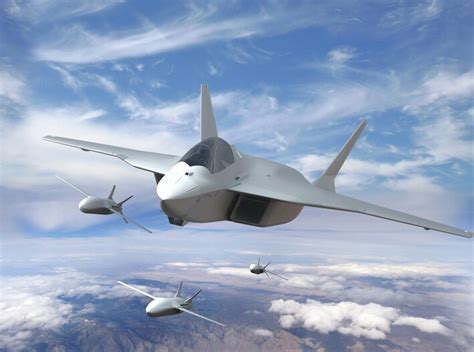
Europe’s FCAS initiative, centered around the Next Generation Fighter (NGF), is a centerpiece of EU defense autonomy. Designed for seamless integration with unmanned wingmen and space-based assets, FCAS emphasizes stealth, cyber resilience, and multi-domain engagement. Dassault and Airbus are leading the charge, with demonstrators expected in the early 2030s.
China
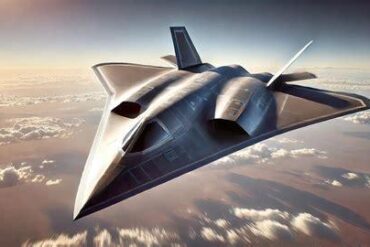
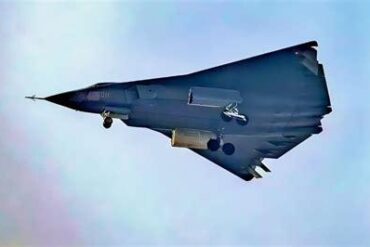
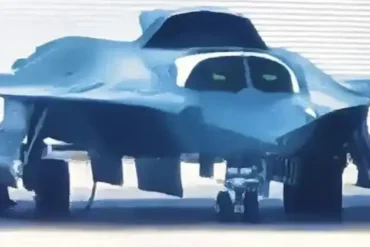
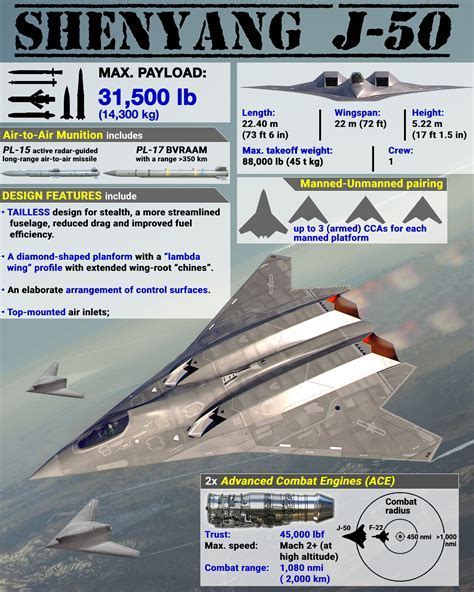
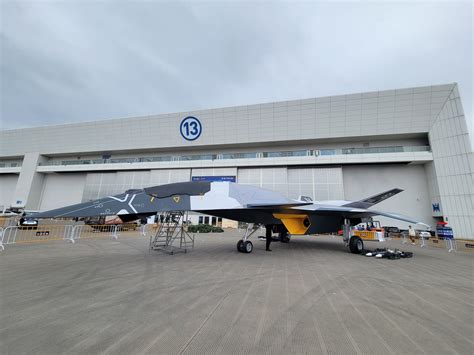
China has conducted wind tunnel testing and design submissions as early as 2018 through Chengdu and Shenyang. The J-36 prototype seen in late 2024, along with the mysterious Baidi B-Type “space-air” concept, suggests China is exploring both terrestrial and near-space fighter platforms. The J-50, potentially a tailless, stealth arrow-wing aircraft, hints at unmanned or AI-enhanced designs.
Russia
Russia’s PAK DP or “Interceptor of the Future,” revealed in 2013 and actively developed by 2021, is speculated to be pilotless and capable of engaging hypersonic targets. Its likely deployment as a long-range, high-speed space interceptor adds a distinct doctrinal flavor to Moscow’s sixth-gen aspirations.
India
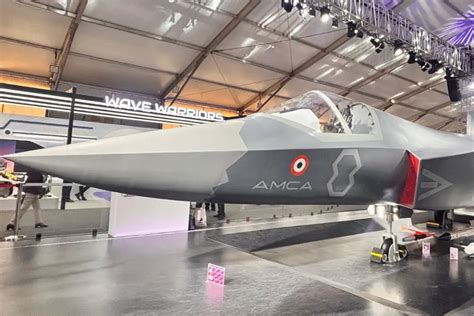
India’s sixth-generation efforts stem from its Advanced Medium Combat Aircraft (AMCA) platform. While AMCA itself is a fifth-gen initiative, India’s roadmap includes directed energy weapons, smart wingman drones, and AI swarm technologies. By 2020, DRDO laid out plans for incorporating sixth-gen elements in future airframes.
Brazil and Sweden
Brazil, via Embraer and DCTA, is exploring a Gripen-based sixth-gen design with Saab’s cooperation, contingent on financial viability. Sweden, a strong participant in the GCAP alliance, was awarded a dedicated technology study contract in March 2024 to assess key innovations before committing to full development by 2030.
Challenges to Development and Deployment
While the sixth-generation fighter promises unmatched performance, development hurdles abound. Cost escalation, interoperability across domains, AI safety, and supply chain vulnerabilities could delay deployment. Nations must invest not only in advanced manufacturing and materials science but also in digital twin ecosystems for predictive maintenance and lifecycle optimization.
Furthermore, operational doctrines must adapt. With optionally manned configurations, there must be clear protocols on ethical AI engagement, remote command, and cyber hardening. These aircraft are not just tools of air dominance—they are extensions of a broader strategic capability stretching across space, cyber, and electronic warfare environments.
Conclusion: Toward a New Era of Aerospace Supremacy
The sixth-generation fighter is more than an evolution—it is a fundamental reimagining of air warfare. By integrating artificial intelligence, multi-domain fusion, modular design, and space-aware operations, these warplanes are shaping the future battlespace in profound ways. As adversaries rapidly develop countermeasures and asymmetric tactics, nations investing in these aircraft will gain not just tactical advantage—but strategic depth across the skies, spectrum, and stars.