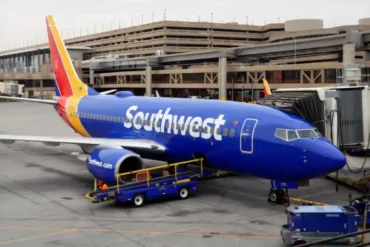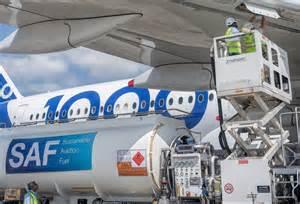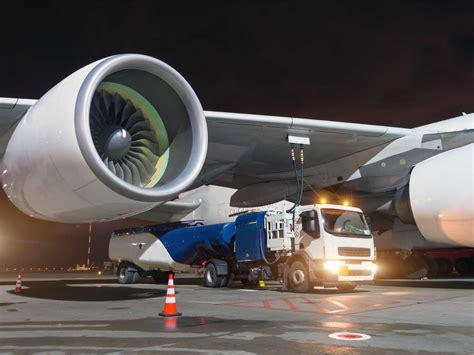
Southwest Airlines made an unusual logistical move in 2026 when it transported 12.6 million gallons of jet fuel by ship from Texas to California to protect its operations from potential supply disruptions. The move marked the first time the airline had used a seaborne fuel shipment, highlighting how airlines are increasingly relying on creative solutions when energy markets become unstable.
The fuel shipment was not a routine supply operation. Southwest turned to maritime transportation after concerns grew around fuel availability on the US West Coast, where supply constraints and rising prices created additional pressure for airlines. By moving fuel across the country by sea, the carrier secured approximately one week of additional fuel supply at a critical moment.
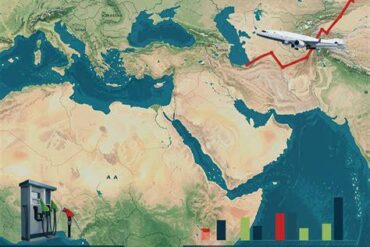
The decision came during a period of significant uncertainty in global energy markets. Military activity involving Iran and related disruptions across the Middle East contributed to increased volatility in oil prices and fuel availability. Although the shipment represented only a small portion of Southwest’s overall fuel consumption, it demonstrated how even a limited supply interruption could create major operational risks for a large airline.
Why Southwest Airlines Shipped Jet Fuel by Boat
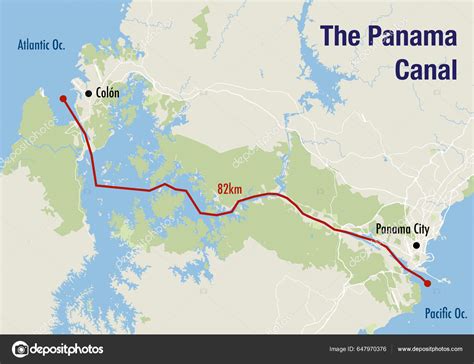
According to Southwest Airlines Chief Financial Officer Tom Doxey, the ship carrying the fuel arrived in Los Angeles on May 28, 2026, after departing from Houston and traveling through the Panama Canal. The vessel transported 12.6 million gallons of jet fuel, equal to about 2.23% of Southwest’s 564 million gallons of fuel consumption during the second quarter.
While the volume was relatively small compared with the airline’s total fuel usage, its strategic value was much greater. The shipment arrived when fuel supply conditions were considered most vulnerable, particularly in California. The state has historically faced unique energy challenges because of its dependence on external fuel sources and limited refining flexibility.
Doxey explained that the shipment provided a temporary buffer during the tightest period of supply pressure. Instead of waiting for traditional fuel delivery networks to stabilize, Southwest created an alternative route that allowed it to maintain operational reliability.
The move also revealed the complexity of the US fuel transportation network. Although Texas is one of the largest energy-producing regions in the country, moving fuel to California is not always simple. Infrastructure limitations, regional refinery conditions, and transportation regulations can all influence how quickly fuel reaches where it is needed.
The Regulatory Challenge Behind Southwest’s Fuel Shipment
One of the most interesting aspects of Southwest’s decision involved the Jones Act, a US maritime law that generally requires goods transported between American ports to be carried by US-built, US-owned, and US-crewed vessels.
Normally, shipping fuel from Houston to Los Angeles would require compliance with these restrictions. However, regulatory flexibility became available after the law was temporarily waived in March 2026 amid concerns related to global shipping disruptions connected to the Iran crisis.
This exemption allowed Southwest to use a foreign-flagged vessel for the journey, making the unusual fuel transfer possible. Without that regulatory adjustment, the airline may have faced greater difficulty arranging a rapid maritime shipment between two US locations.
The situation demonstrated how government policies, international events, and airline operations can become closely connected. A decision made thousands of miles away in global energy markets ultimately affected how an American airline managed fuel inventory on domestic routes.
Rising Fuel Costs Create Pressure for Southwest Airlines
Although Southwest successfully protected its fuel supply, the airline was not immune to rising energy costs. The carrier spent nearly $900 million more on fuel in the second quarter of 2026 compared with the same period in 2025, creating significant pressure on its financial performance.
Despite the increased expenses, Southwest reported strong second-quarter results, with profit increasing by 9% and revenue rising by 16.4%. The airline managed to offset some fuel-related challenges through higher ticket prices and operational adjustments.
However, the long-term impact of elevated fuel prices remained a concern. Southwest’s adjusted earnings forecast for the third quarter fell below analyst expectations, with projected earnings of $0.50 to $0.75 per share, compared with the forecasted $0.82.
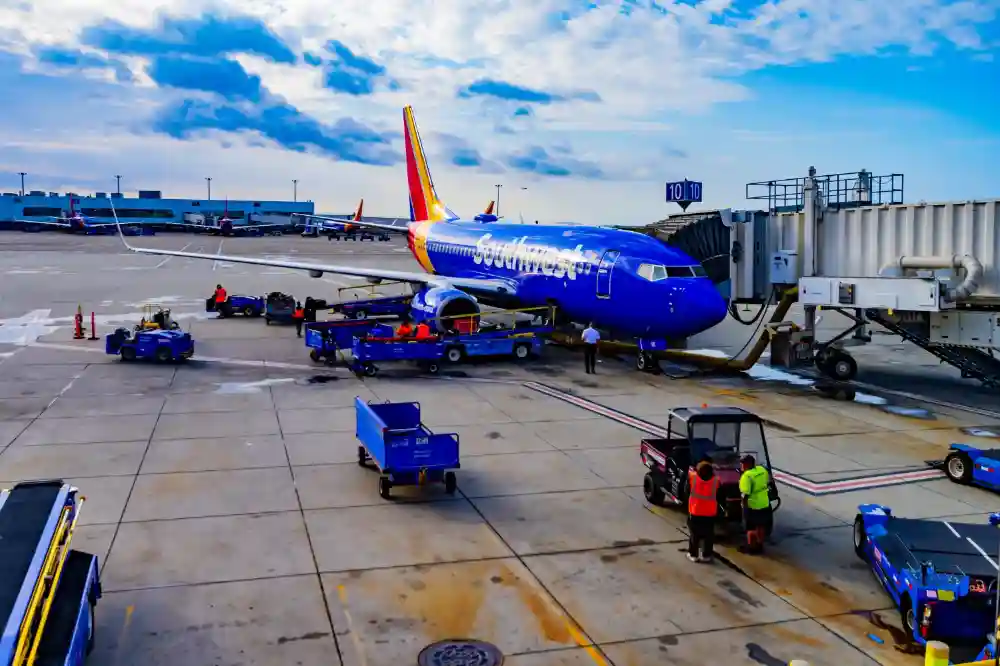
The experience showed that fuel management is becoming an increasingly important part of airline strategy. Carriers are no longer only focused on purchasing fuel at competitive prices; they must also consider transportation reliability, regional availability, geopolitical risks, and emergency planning.
A Warning Sign for the Global Aviation Industry
Southwest’s fuel shipment was part of a wider challenge affecting airlines around the world. Rising energy costs, supply chain disruptions, and geopolitical instability forced carriers to rethink traditional operating strategies.
Smaller airlines faced even greater difficulties because they often lack the purchasing power, financial reserves, and supply flexibility available to larger companies. Some carriers reduced schedules or temporarily suspended services as fuel expenses increased.
The broader aviation industry has learned that fuel security is not simply a financial issue. It is also an operational resilience challenge. Airlines must maintain reliable access to energy resources while navigating unpredictable global conditions.
Southwest Airlines’ 12.6 million gallon jet fuel shipment by boat may have been an unusual solution, but it reflected a growing reality in modern aviation: flexibility and preparation can determine whether an airline successfully manages a crisis. The shipment was a temporary measure, yet it demonstrated how creative logistics can help protect flight operations when traditional supply chains face pressure.