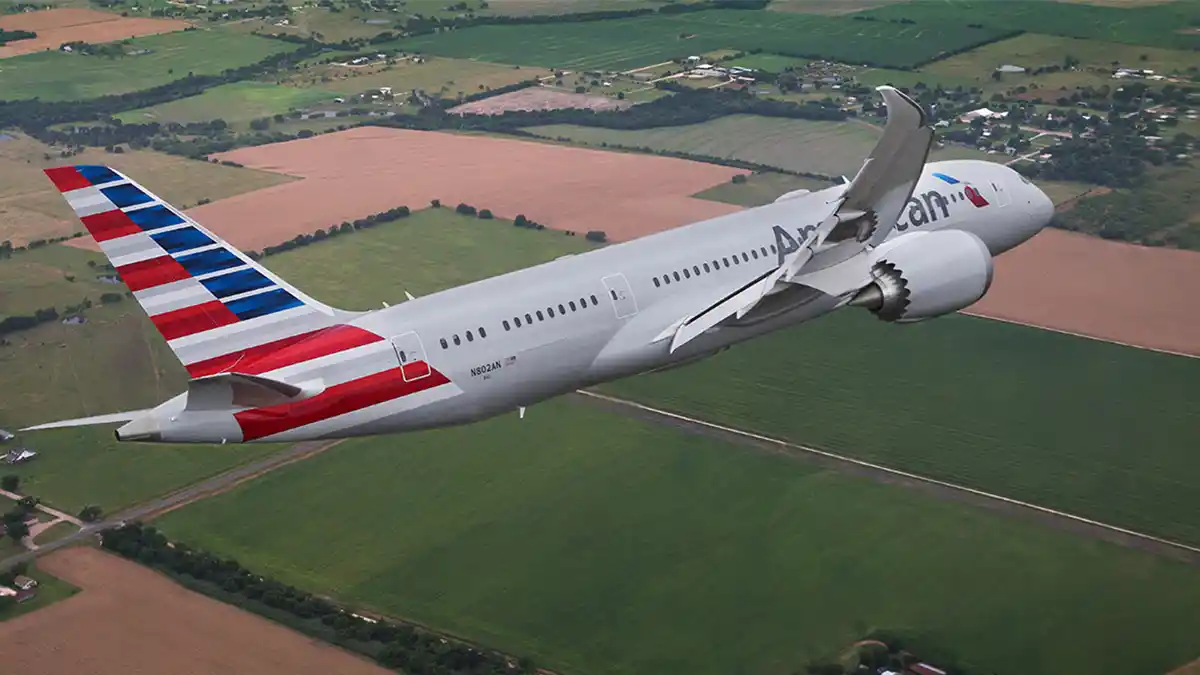
American Airlines and Google have unveiled a record-breaking sustainable aviation fuel (SAF) certificate agreement that signals a new era in aviation decarbonization and corporate climate collaboration. Covering 35 million gallons of SAF over the next three years, the partnership is being described as the largest publicly disclosed agreement of its kind between a single airline and one corporate customer, creating a model that could reshape how cleaner aviation fuels are financed in the years ahead.
Rather than focusing solely on fuel procurement, the agreement demonstrates how major corporations can directly stimulate demand for sustainable aviation technologies while simultaneously addressing emissions associated with employee travel. The initiative also strengthens investment signals for fuel producers seeking long-term buyers in an industry where supply remains constrained and production costs remain significantly above those of conventional jet fuel.
As governments tighten environmental regulations and airlines pursue ambitious net-zero strategies, partnerships like this may become increasingly common. The collaboration between American Airlines and Google illustrates that the future of sustainable aviation could depend just as much on technology companies and multinational corporations as on airlines themselves.
Record 35 Million-Gallon Sustainable Aviation Fuel Agreement Sets New Industry Benchmark
The newly announced arrangement will support the acquisition and use of 35 million gallons of Sustainable Aviation Fuel over a three-year period. According to estimates released alongside the announcement, using this fuel could reduce lifecycle greenhouse gas emissions by approximately 300,000 metric tons of carbon dioxide equivalent, representing a significant environmental benefit despite accounting for only a small share of an airline’s overall fuel consumption.
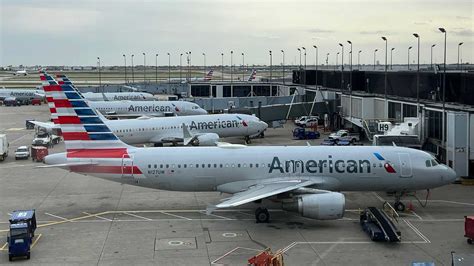
The SAF involved in the agreement will be delivered through existing infrastructure at Chicago O’Hare International Airport (ORD), allowing American Airlines to integrate the fuel into normal flight operations without requiring specialized logistical changes. Instead of physically assigning that fuel to Google’s travelers, the environmental benefits are transferred through the SAFc Registry, a book-and-claim mechanism that separates fuel usage from sustainability accounting.
This structure enables corporations to finance SAF deployment regardless of where employees actually fly, creating a flexible mechanism for supporting lower-carbon aviation while encouraging wider market adoption.
How the SAF Certificate Model Creates New Opportunities for Corporate Sustainability
Traditional carbon offset programs have often faced criticism regarding transparency and measurable impact. Sustainable Aviation Fuel certificates provide a different approach by directly linking environmental claims to the verified production and consumption of SAF.
For Google, participation means supporting real fuel deployment that reduces aviation emissions while advancing its own sustainability commitments related to business travel. Rather than purchasing generic offsets, the company helps increase demand for a cleaner aviation fuel that can be integrated into existing aircraft fleets without extensive modifications.
The agreement also sends an important market signal. Long-term commitments from major corporations reduce uncertainty for producers considering expensive investments in expanded SAF production facilities. By guaranteeing future demand, such arrangements can encourage additional capacity that might otherwise remain financially unattractive.
This financing mechanism is increasingly viewed as one of the most practical pathways for accelerating aviation’s transition toward lower-carbon operations without forcing airlines alone to shoulder substantial cost premiums.
Chicago O’Hare and Valero Play Essential Roles in Fuel Deployment
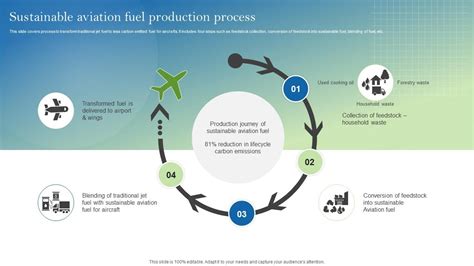
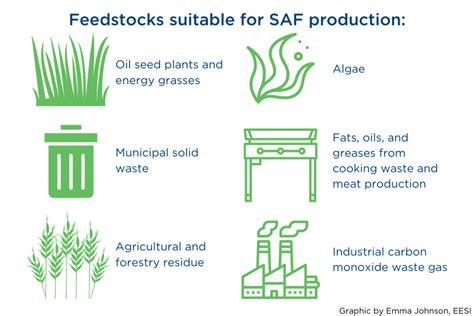
A key component of the partnership involves Valero Marketing and Supply Company, which will provide the sustainable aviation fuel supporting the agreement. The fuel will primarily be produced from waste-based feedstocks, including used cooking oil, transforming discarded materials into lower-carbon aviation energy.
Delivering the fuel through existing infrastructure at Chicago O’Hare simplifies implementation and demonstrates that SAF can be integrated into current airport operations without requiring entirely new distribution systems. This practical compatibility is one reason sustainable aviation fuel is widely regarded as the aviation industry’s most viable near-term decarbonization solution.
For American Airlines, securing long-term access to SAF through this arrangement supports broader environmental objectives while improving confidence in future fuel availability during a period of constrained global supply.
Why Technology Companies Are Becoming Aviation’s New Fuel Partners
The American Airlines-Google partnership reflects a rapidly developing trend in which corporations outside the aviation sector actively finance cleaner air travel.
Large multinational companies generate extensive business travel while facing increasing scrutiny from investors, regulators, customers, and employees regarding their climate commitments. Business travel emissions have therefore become an important area for sustainability initiatives, creating incentives to participate directly in SAF certificate programs.
Google has previously supported SAF initiatives through platforms such as Avelia, but this latest agreement differs in both scale and structure. Instead of participating within a broader marketplace involving multiple organizations, Google has entered a direct relationship with a single airline, helping establish what American describes as the largest publicly announced airline-corporate SAF agreement to date.
Other organizations including financial institutions, industrial manufacturers, insurance firms, logistics providers, and technology companies have also explored similar certificate-based approaches, suggesting growing confidence in SAF-backed emissions reduction mechanisms.
Sustainable Aviation Fuel Remains Aviation’s Most Promising Decarbonization Tool
Industry experts widely consider Sustainable Aviation Fuel the cornerstone of aviation’s long-term emissions reduction strategy. The International Air Transport Association has estimated that SAF could contribute roughly 65 percent of the emissions reductions required for global aviation to achieve net-zero emissions by 2050.
Despite this potential, worldwide SAF production remains only a tiny fraction of total jet fuel demand. Conventional aviation fuel continues to dominate because sustainable alternatives cost significantly more to manufacture and require substantial investments in refining capacity and feedstock supply chains.
The result is a persistent supply-demand imbalance. Airlines consistently express interest in purchasing more SAF but often struggle to justify paying the entire cost premium independently. Corporate partnerships therefore offer a practical solution by distributing financial responsibility among multiple stakeholders that all benefit from cleaner aviation.
Corporate Demand Could Unlock Billions in Future SAF Investment
Perhaps the most significant implication of the agreement lies not in its fuel volume but in the economic model it promotes.
Major airlines consume billions of gallons of jet fuel annually, making 35 million gallons relatively modest in operational terms. However, the willingness of a leading global technology company to commit to such a substantial SAF certificate purchase creates confidence throughout the supply chain.
Fuel producers considering billion-dollar infrastructure investments require assurance that customers will exist for their expanded output. Long-term commitments from corporations can reduce investment risk, accelerate financing decisions, and stimulate construction of additional production facilities capable of serving future demand.
This dynamic transforms SAF certificates from simple accounting instruments into potential catalysts for industrial expansion, connecting sustainability goals with tangible market development.
Government Incentives Continue Supporting Market Growth
Public policy also plays an important supporting role in the agreement’s success.
The project benefits from Illinois’ Sustainable Aviation Fuel tax credit program, which encourages production and adoption of lower-carbon aviation fuels within the state. Such incentives help narrow the cost gap between conventional jet fuel and SAF, making commercial agreements more economically attractive for airlines and corporate partners alike.
As governments worldwide introduce SAF blending mandates and stricter climate policies, these incentive structures may become increasingly influential in accelerating deployment. Financial support at the state and national levels can complement private-sector commitments, creating a collaborative framework capable of expanding production capacity much faster than either approach could achieve independently.
The combination of corporate purchasing power, airline demand, producer investment, and government incentives may ultimately prove essential for building a mature global SAF marketplace.
A Blueprint That Could Shape the Future of Sustainable Aviation
The partnership between American Airlines and Google extends far beyond a headline announcing millions of gallons of fuel. It represents an emerging blueprint for financing one of aviation’s most difficult environmental challenges through cross-industry collaboration.
American Airlines gains improved access to sustainable fuel supplies while advancing corporate sustainability objectives. Google acquires a practical mechanism for addressing emissions associated with employee travel through verified SAF certificates rather than traditional offset programs. Valero benefits from stronger long-term demand signals that justify continued production investment, while public incentives reinforce market development.
Most importantly, the structure demonstrates how shared responsibility can accelerate progress toward cleaner aviation. If additional multinational corporations adopt similar strategies, SAF certificate agreements could become one of the industry’s most powerful tools for expanding production, lowering costs through scale, and supporting the broader transition toward lower-carbon global air transport.