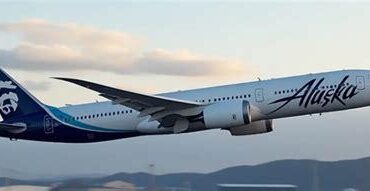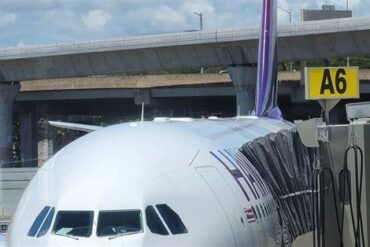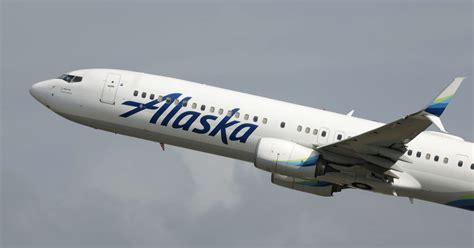
Alaska Airlines is preparing to make a bold leap across the Atlantic with its inaugural European route set to launch in May 2026, connecting Seattle-Tacoma International Airport (SEA) with Rome Fiumicino (FCO). This historic move marks not only Alaska’s first direct flight to Europe but also a strategic turning point for the West Coast-based carrier as it begins to leverage newly acquired Boeing 787 Dreamliners from its Hawaiian Airlines acquisition.
The airline’s decision to begin its transatlantic journey with Rome is emblematic of larger industry trends. Italy has surged in popularity as a leisure destination for U.S. travelers, with demand fueled by pent-up post-pandemic wanderlust and a renewed interest in European culture, cuisine, and climate. Rome, specifically, offers a balance of year-round appeal, strong inbound and outbound traffic, and connectivity with oneworld partner ITA Airways.
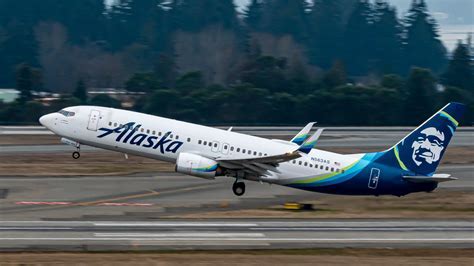
Strategic Analysis: Why Rome Was the Obvious First Step
Rome’s selection underscores Alaska Airlines’ evolving strategy. The route leverages the strength of Seattle as a growing international hub while avoiding oversaturated and heavily competitive markets like London Heathrow (LHR) or Paris Charles de Gaulle (CDG). These airports, though attractive, present slot availability challenges and intense competition, especially from SkyTeam and Star Alliance carriers.
The move also aligns with Alaska’s push to fully integrate into the oneworld alliance, which opens up opportunities for codeshares, lounge access, and seamless connectivity throughout Europe. By tapping into Italy’s booming tourism and its position in oneworld via ITA Airways, Alaska has chosen a path that emphasizes both strategic alignment and passenger appeal.
Future Route Candidates: The Race for the Next Gate
As speculation mounts, several European destinations emerge as front-runners for Alaska’s next routes. The choice will hinge on fleet availability, seasonal versus year-round demand, alliance connectivity, and the competitive landscape. While Alaska will have a limited number of widebody aircraft in the short term, it is likely to focus on thicker routes that support year-round operations.
Madrid (MAD)
Madrid is a highly logical candidate. As the primary hub of Iberia, a fellow oneworld carrier, it provides extensive connection options throughout Europe, Africa, and Latin America. The route is unserved nonstop from Seattle, which could give Alaska a first-mover advantage. Additionally, Madrid is gaining popularity among U.S. travelers as a more affordable and culturally rich alternative to cities like Paris or London.

Barcelona (BCN)
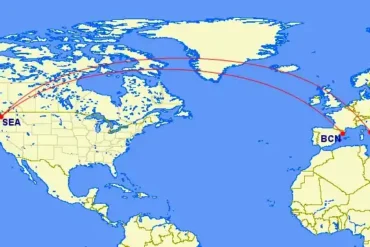
Barcelona shares many of Madrid’s advantages but with a stronger leisure focus. Its Mediterranean appeal, cultural landmarks, and bustling cruise port traffic make it a viable seasonal or even year-round leisure route. Though lacking in connectivity compared to Madrid, it could serve as a beach-lifestyle complement to the Roman experience.
Dublin (DUB)
Dublin could become a key link in Alaska’s network if it wants to enhance its oneworld connectivity through Aer Lingus (once fully integrated) and avoid the slot congestion issues of London Heathrow. Dublin offers pre-clearance facilities, making it attractive for passengers returning to the U.S. The route could also act as a potential Western European gateway, enabling convenient transits into continental Europe.
Lisbon (LIS)
Portugal’s capital is one of Europe’s fastest-growing tourist hotspots. With no nonstop service between Seattle and Lisbon, Alaska could tap into both pent-up leisure demand and a sizeable Portuguese diaspora in the Pacific Northwest. Lisbon also provides connectivity via TAP Air Portugal, although TAP is a Star Alliance member—raising questions about long-term strategic fit.
Helsinki (HEL)
This Scandinavian hub would bolster Alaska’s oneworld ties through Finnair, which already runs seasonal service between HEL and SEA. A potential code-share or complementing frequency could enhance alliance value and boost Alaska’s footprint in Northern and Eastern Europe. However, Finnair’s seasonal model and the limited market size might make this more of a medium-term goal.
Why Not London?
London is a dream route for any U.S. carrier, but London Heathrow (LHR) is currently 98% at slot capacity, making entry both costly and operationally difficult. While London Gatwick (LGW) might present a more accessible alternative, it comes with less connectivity and prestige. British Airways already flies SEA–LHR, and Delta, Virgin Atlantic, and American Airlines crowd the space.
Alaska would need to justify the London route not only based on demand but also on alliance synergy, something that may not be immediately attainable without access to Heathrow.
Competitive Landscape: Avoiding Delta’s Crosshairs
Seattle is a major hub for Delta Air Lines, and any Alaska route will have to circumvent head-to-head battles where possible. Delta’s transatlantic dominance is well established, with strong links to Paris (CDG), Amsterdam (AMS), and London. Alaska will likely focus on under-served routes or niche cities that Delta has ignored or deprioritized.
Places like Nice, Venice, Palma de Mallorca, or Dubrovnik might offer seasonal relief from competition. They won’t generate the daily frequency or business travel volume of London or Paris, but they do offer unique selling points, especially for Alaska’s West Coast customer base looking for new leisure experiences.
Will Alaska Consider Other West Coast Gateways?
While Seattle is Alaska’s stronghold, the possibility of launching European flights from Portland (PDX), San Francisco (SFO), or San Diego (SAN) isn’t off the table. Each airport presents unique challenges and opportunities.
- Portland lacks nonstop service to Europe, giving Alaska a clean slate if it wants to stake a claim.
- San Francisco is competitive and crowded, particularly with United’s dominance.
- San Diego offers strong leisure demand and has shown it can support long-haul service (e.g., Lufthansa to Frankfurt).
For now, Alaska is expected to concentrate its widebody resources on Seattle. But as the 787 fleet expands and medium-range aircraft like the A321XLR or similar become available, other hubs could emerge as launching pads for seasonal or niche transatlantic routes.
Fleet Considerations: The Widebody Bottleneck
Alaska’s entrance into long-haul is partially enabled by the Hawaiian Airlines merger, which brought a fleet of Boeing 787-9s into the fold. However, fleet capacity remains limited. These aircraft must also support potential Asia-Pacific growth (e.g., Tokyo, Seoul), meaning every European route must count in terms of yield and demand.
Until Alaska either acquires more 787s or introduces narrowbody long-range aircraft, its European growth will be calculated and careful. The A321XLR, if eventually introduced, could open up closer-in European destinations such as:
- Reykjavík (KEF)
- Shannon (SNN)
- Dublin (DUB)
- Edinburgh (EDI)
Such aircraft would offer flexibility and allow Alaska to bypass widebody constraints.
The Long Game: Building a Transatlantic Identity
Alaska Airlines is entering a new chapter. Its entry into the European market with Rome signals more than just a route launch; it’s the beginning of a broader international ambition. The carrier now faces the task of selecting the next destination that balances demand, competition, alliance value, and aircraft availability.
Madrid, Lisbon, Dublin, and Helsinki are all plausible next steps. But the carrier could just as easily surprise with a seasonal gem like Nice or Venice, especially if its strategy prioritizes leisure over business travel.
Ultimately, Alaska’s European expansion will be defined by how well it can execute a long-haul strategy that integrates with oneworld, avoids unnecessary battles, and offers compelling, competitive alternatives to legacy giants. With Rome as the first domino, the next moves will shape Alaska’s global trajectory—and West Coast travelers will be watching closely.