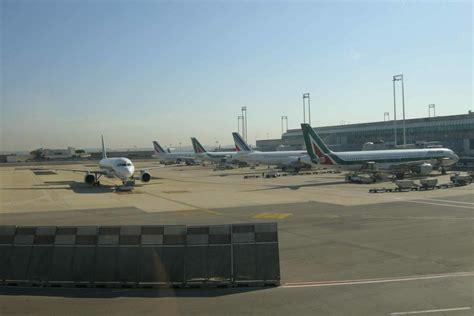
When planning a trip to the Eternal City, one of the first logistical questions travelers encounter is: which Rome airport is best to fly into? With two main international airports—Leonardo da Vinci–Fiumicino (FCO) and Giovan Battista Pastine–Ciampino (CIA)—choosing the right arrival point can significantly influence your travel experience. From airline options to airport facilities, ground transportation, and overall convenience, every detail matters. Here’s an in-depth guide to help you choose wisely.
Fiumicino (FCO): Rome’s Main International Gateway
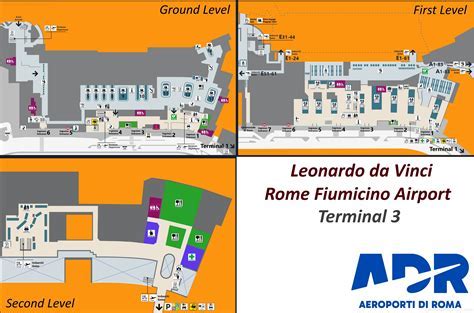
Located about 30 kilometers (20 miles) west of central Rome, Fiumicino Airport, officially known as Leonardo da Vinci International Airport, is the largest and busiest airport in Italy. It is the primary hub for most international arrivals, particularly from long-haul destinations like the United States, Canada, and Asia.
Fiumicino features four terminals, though three are connected within one building. Only Terminal 5, which handles select U.S. and Israeli flights, requires a brief shuttle transfer. Despite being Rome’s biggest airport, Fiumicino’s layout is compact compared to behemoths like London Heathrow or Frankfurt, making it relatively easy to navigate. Shops, lounges, and food outlets add a touch of comfort, especially for international travelers.
However, its size and international significance come with a caveat: longer lines at immigration and security checkpoints, especially during peak seasons. Passengers are strongly advised to arrive at least 2 hours before departure, preferably more if flying internationally.
Ciampino (CIA): Rome’s Budget Flight Gateway
In stark contrast, Ciampino Airport is significantly smaller and primarily serves low-cost carriers like Ryanair, Wizz Air, and occasionally EasyJet. Located just 15 kilometers (11 miles) southeast of Rome, it’s slightly closer to the city center than Fiumicino.
The airport has only 16 gates, all housed in a single terminal. This results in a quicker airport experience overall—shorter lines, faster check-ins, and minimal walking. However, the downside is a lack of amenities. Don’t expect duty-free shopping galore or premium lounges. Ciampino is strictly functional: arrive, fly, and move on.
Airline Availability: Full-Service vs. Low-Cost
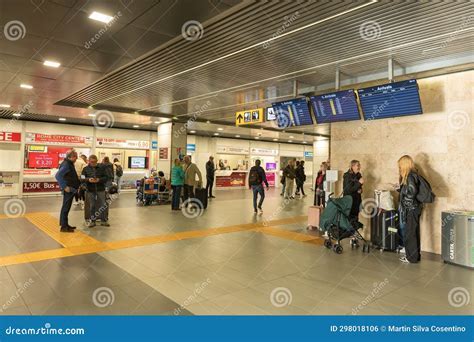
Choosing between the two often comes down to your airline and route. Fiumicino is the hub for full-service airlines:
- Alitalia / ITA Airways
- American Airlines
- Delta Air Lines
- Air France
- British Airways
- Emirates
- Lufthansa
These carriers offer robust international and intercontinental connections. Fiumicino also supports some budget flights like EasyJet, but that’s the exception, not the rule.
Conversely, Ciampino is exclusively low-cost. If you’re flying from within Europe, and especially if you’re using an ultra-budget airline, CIA will likely be your airport. But be mindful of restrictions typical to such carriers: strict baggage policies, early boarding calls, and limited customer service.
Ground Transportation: Getting Into Rome
Transportation into Rome’s city center is crucial to your airport choice. While both airports provide access, Fiumicino has the edge in convenience and infrastructure.
Fiumicino to Rome
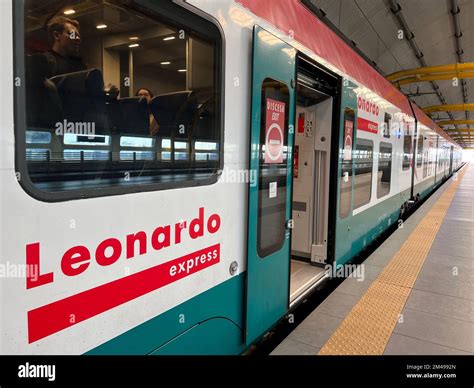
Fiumicino boasts a train station within the terminal, offering two primary options:
- Leonardo Express: Non-stop to Termini Station in about 30 minutes, priced around €14.
- Regional Train (FL1): Stops at various stations like Trastevere, Ostiense, and Tiburtina. Costs €8, takes about 45 minutes.
There are also numerous bus options (e.g., SitBus, Terravision) for as little as €5, though they take longer (45–60 minutes).
Ciampino to Rome
Ciampino lacks a train station on-site, but a 5-minute shuttle bus connects passengers to the Ciampino railway station, where regional trains depart for Termini. If your timing is right, the entire trip can take 30–35 minutes, costing just €1.50.
Alternatively, several budget direct buses go from Ciampino to Termini, with fares around €5 and travel times between 35 and 50 minutes. Though not inconvenient, wait times for buses or trains may extend your overall journey.
Taxi and Ride Services: One Airport Clearly Wins
Rome’s official white taxis offer fixed rates from both airports to central Rome:
- Fiumicino to city center: €50
- Ciampino to city center: €31
While Fiumicino’s taxi stand is well-managed and orderly, Ciampino’s can be problematic. Many travelers report aggressive drivers, poor signage, and lengthy waits. For peace of mind and security, Fiumicino is a superior option for taxis and ride-sharing services like Uber.
Flight Hassles and Hidden Costs
Budget flights into Ciampino may look attractive at first glance, but beware the fine print:
- Strict baggage rules: Only one carry-on item allowed. Checked baggage costs extra.
- Inconvenient flight hours: Many low-cost flights arrive or depart at odd hours.
- Fewer airline staff: Customer service is limited.
Fiumicino, while more crowded, offers full-service amenities, including international lounges, multilingual staff, and smoother rebooking options during delays or cancellations.
City Access Timing: Realistic Time Expectations
Despite Ciampino being closer in terms of physical distance, both airports require roughly the same amount of time to reach Rome’s city center—about 35–45 minutes, traffic permitting. What really sets them apart is the ease of the journey.
- Fiumicino has direct train access, making it the preferred choice for independent travelers.
- Ciampino requires transfers, adding complexity for first-time visitors.
Travel Experience: Comfort vs. Efficiency
If you’re looking for modern facilities, a comfortable waiting area, and stress-free amenities, Fiumicino wins hands down. From restaurants to duty-free shopping and luxury lounges, it offers a far more polished experience. It’s also easier to meet arriving passengers thanks to its clearly marked arrival zones and larger layout.
Ciampino’s main advantage is efficiency. If you’re traveling light, know the budget airline game, and prioritize a fast in-and-out, then Ciampino is functional—just not pleasurable.
Who Should Choose Which Airport?
- Choose Fiumicino if:
- You’re flying long-haul (U.S., Canada, Asia).
- You value comfort, amenities, and organized taxi or public transport.
- You’re arriving with luggage or children.
- You plan to use trains to reach Rome or other Italian cities.
- Choose Ciampino if:
- You’re flying within Europe on a budget airline.
- You’re experienced with budget travel and have minimal luggage.
- You’re focused on saving every euro and understand the trade-offs.
The Final Verdict: Which Rome Airport Is Best?
Ultimately, both Fiumicino and Ciampino serve their purpose well—but for most travelers, Fiumicino is the better airport to fly into. It’s more versatile, offers better infrastructure, and accommodates a broader range of airline choices. It’s far more convenient for taxis, trains, and international travelers who need a smooth entry point to Rome.
Ciampino’s only true edge is its budget airline focus. If you’re coming from another European city and found a great fare, it can be a worthwhile choice—just be prepared for a bare-bones experience.
Whether you’re arriving from Toronto, Tokyo, or Toulouse, the most important thing is that your journey brings you to Rome, a city that rewards you no matter how you get there.

FAQs
Is Fiumicino or Ciampino better for first-time visitors to Rome?
Fiumicino is better suited for first-timers due to better signage, more staff support, and more direct access to the city via train and taxi.
Can I get from Ciampino to Rome without taking a taxi?
Yes. A short shuttle ride to Ciampino train station connects you to Rome’s Termini station affordably. Alternatively, you can use budget buses.
Which airport is closer to central Rome?
Ciampino is slightly closer in distance, but Fiumicino often matches or even beats it in actual travel time thanks to its direct train connections.
Are taxis safe and reliable from both airports?
Taxis from Fiumicino are regulated and reliable. Ciampino taxis can be less organized—many travelers report confusion and inconsistent service.
Do either airports offer luggage storage?
Fiumicino offers luggage storage and porter services. Ciampino does not offer this service, reinforcing its minimalist approach.
Flying into Rome should be the first step of an unforgettable adventure—not a logistical headache. Choosing the right airport sets the tone for your experience in one of the world’s most iconic cities.