Lufthansa is executing a sweeping reshuffle of its European network, suspending or adjusting 25 routes as operational pressures and geopolitical realities reshape airline strategy across the continent. The move reflects a dual challenge: surging jet fuel uncertainty linked to regional conflict and a structural shift following the closure of its regional subsidiary.
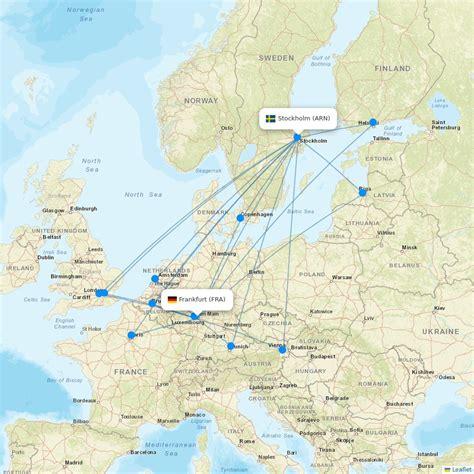
At the center of this transformation is Lufthansa’s effort to consolidate capacity while preserving core connectivity through its primary hubs in Frankfurt and Munich. The airline’s latest scheduling data reveals a 13% year-over-year reduction in European departures, equivalent to 72 fewer daily flights. This contraction signals not just temporary adjustments, but a recalibration of how the airline deploys aircraft across its network.
Strategic Retrenchment Driven by Fuel Volatility and Fleet Changes
The backdrop to these cuts is a volatile aviation environment shaped by geopolitical tension affecting fuel supply chains. Rising costs and unpredictable availability have forced airlines to make difficult decisions, prioritizing high-demand and high-yield routes while trimming marginal ones.
Simultaneously, Lufthansa’s decision to shutter its CityLine regional jet operations has removed a layer of flexibility from its network. Without these smaller aircraft, thinner routes have become harder to sustain economically. The result is a shift toward consolidation, with flights increasingly routed through major hubs rather than point-to-point regional links.
May Suspensions: Munich Network Sees Deep Cuts
In May, Lufthansa has temporarily suspended ten routes, with the majority originating from Munich. Cities including Basel, Geneva, Ljubljana, Rijeka, Stuttgart, Tivat, Trondheim, and Wrocław are no longer served directly from the Bavarian hub. Instead, the airline is channeling traffic through Frankfurt, where overlapping service remains available.
This consolidation strategy allows Lufthansa to maintain connectivity while reducing operational complexity. However, it also means longer travel times and fewer direct options for passengers departing southern Germany.
Notably, some routes continue under the Lufthansa Group umbrella. Air Dolomiti maintains service to Basel and Geneva, ensuring these key destinations remain accessible despite Lufthansa’s withdrawal. Meanwhile, SWISS temporarily steps in on the Geneva–Munich route, illustrating how alliance coordination helps cushion network disruptions.
Frankfurt Adjustments Reflect Broader Network Realignment
From Frankfurt, two routes—Cork and Luxembourg—are also impacted. While flights to Cork are set to resume in early June, Luxembourg remains served only through Air Dolomiti-operated services. This highlights a broader trend: Lufthansa is increasingly relying on partners and subsidiaries to maintain coverage in secondary markets.
The approach underscores a shift toward a more modular network structure, where the mainline carrier focuses on trunk routes while affiliated airlines handle regional connectivity. For passengers, the Lufthansa brand remains visible, but the operating carrier may differ.
June Disruptions: Temporary Exit from Key Cities
Looking ahead, Lufthansa will suspend service to Glasgow and Skopje throughout June, with both routes expected to resume in July. During this period, neither city will see Lufthansa-operated flights, creating temporary gaps in the airline’s network.
For travelers, alternatives exist but often involve compromises. Passengers bound for Glasgow, for instance, are encouraged to route via Edinburgh, adding ground travel to complete their journey. These adjustments illustrate the ripple effects of route suspensions, extending beyond aviation into broader travel planning.
Summer Withdrawals: 13 Routes Cut for the Season
The most significant impact comes from a broader set of 13 routes removed for at least the summer season. These include connections from Frankfurt to cities such as Bordeaux, Brussels, Newcastle, Stavanger, and Vienna, among others. Only a handful of these destinations retain partial service from Munich or partner airlines.
In several cases, the suspensions may extend beyond summer. Routes like Newcastle, previously a year-round service, are currently absent from winter schedules as well, raising questions about their long-term viability.
Three additional routes from Munich—to Brussels, Gdańsk, and Sibiu—have also been removed. While Brussels will continue to be served by a partner airline, the other destinations face a more uncertain future within Lufthansa’s network.
A Network in Transition, Not Retreat
Despite the scale of these changes, Lufthansa’s strategy is less about retreat and more about adaptation. By concentrating operations in Frankfurt and leveraging partnerships, the airline aims to preserve its competitive position while navigating a challenging operating environment.
The broader implication is a shift in how European air travel is structured. Direct regional links may become less common, replaced by hub-and-spoke efficiency and deeper reliance on alliance networks. For passengers, this means fewer non-stop options but potentially more integrated itineraries across carriers.
As the aviation landscape continues to evolve, Lufthansa’s current restructuring offers a glimpse into the future of airline networks—leaner, more centralized, and increasingly collaborative.