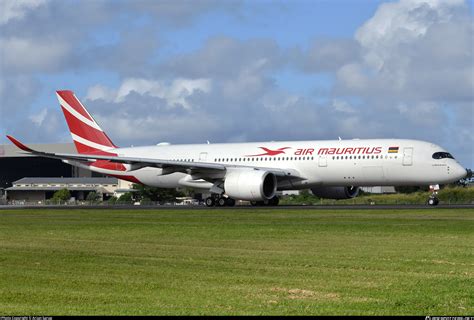
Air Mauritius is attempting to renegotiate its 2023 order for three Airbus A350-900 aircraft, a move that signals the airline’s renewed strategy to reshape its fleet and strengthen its financial stability. According to the carrier’s chairperson, Kremchand (Kishore) Beegoo, the decision stems from past management choices that did not align with the airline’s current operational realities. With its existing A350 fleet already supporting its long-haul operations to London and Paris, the airline is questioning whether additional widebodies are the right investment.
A Fleet Already Equipped for Long-Haul Routes
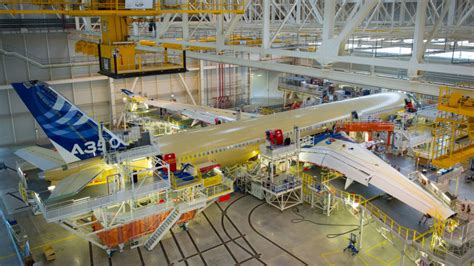
Air Mauritius currently operates four Airbus A350-900s, averaging 6.9 years in age, alongside a broader fleet of 12 aircraft. The additional order for three A350s, valued at roughly $216 million each, represented a significant financial burden for the airline. One of these aircraft is already in final assembly and scheduled for delivery, but the airline is exploring options to cancel or modify the order for the remaining two.
Beegoo emphasized that discussions with Airbus are focused on replacing the large twin-aisle jets with more versatile aircraft, potentially latest-generation single-aisle planes or smaller long-haul models. Such a shift would allow Air Mauritius to balance its operational flexibility with cost efficiency while better serving its diverse network.
Strategic Realignment and Financial Pressure
The decision to seek cancellation reflects deeper financial concerns. Air Mauritius has struggled with losses for over a decade, exacerbated by the global pandemic and high maintenance costs. Its past reliance on aircraft sales and leasing practices left the company vulnerable, and the leadership change in January 2025 marked the beginning of a new recovery plan.
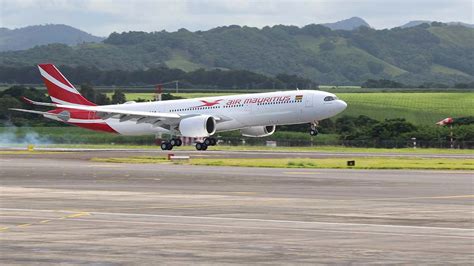
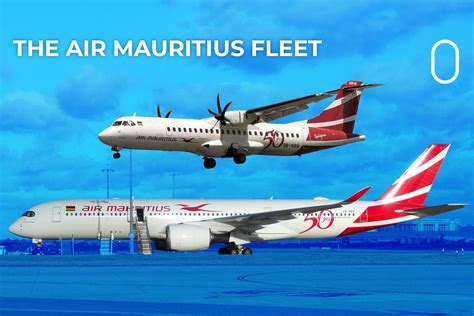
Currently, the fleet composition includes:
- 4 Airbus A350-900
- 2 Airbus A330neo
- 2 Airbus A330-200
- 2 ATR 72-500
- 2 ATR 72-600
More than half of the airline’s fleet is widebody, reflecting a long-haul focus that may no longer align with evolving travel demand. By reducing reliance on large, high-capacity aircraft, Air Mauritius hopes to restore profitability while maintaining its international presence.
Early Signs of Recovery
Despite long-standing financial struggles, Air Mauritius has already begun showing positive results. In the first quarter of the 2025/2026 financial year, the airline reported a net profit of MUR 252.7 million ($5.4 million), its best first-quarter performance in nine years. Passenger revenues rose from MUR 5.6 billion ($121 million) to MUR 6 billion ($130 million), while passenger numbers increased to 403,127.
However, these gains came despite operational hurdles. An A330-900neo was grounded for eight of the 13 weeks in the quarter, 24 separate Aircraft on Ground (AOG) incidents disrupted operations, and competition across African, European, and Indian Ocean routes intensified. These challenges underscored the need for more resilient fleet planning.
Weighing Alternatives to the Airbus A350
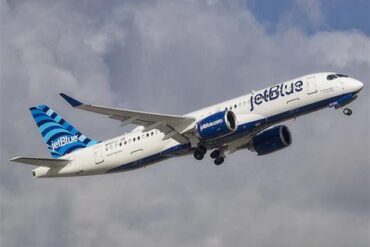
While no specific aircraft have been identified as replacements, Beegoo hinted that Air Mauritius is considering both next-generation single-aisle aircraft and smaller long-haul options. Potential candidates could include the Airbus A321XLR or Boeing 787-8, both capable of serving thinner long-haul routes with improved fuel efficiency. Such aircraft would allow the airline to serve secondary destinations in Europe, India, and the Middle East without the risk of excess capacity.
This shift mirrors broader industry trends. Many mid-sized carriers are leaning toward flexible fleets that reduce dependency on very large aircraft, particularly as travel demand patterns remain unpredictable. Air Mauritius’ strategy, if successful, would realign its operations with sustainable growth while limiting financial exposure.
Airbus’ Position and Negotiation Outlook
The situation also places Airbus in a delicate position. With over 613 A350s delivered since its first entry into service in 2018, the aircraft remains a flagship widebody for many global carriers. While Airbus is reportedly open to reconfiguring orders, outright cancellations are less favorable for the manufacturer. However, given Air Mauritius’ small order size, negotiations are expected to focus on adjusting terms rather than sparking a broader dispute.
Industry observers suggest that Airbus may be open to converting the A350 order into other aircraft types, particularly the A330neo or A321XLR, which would still keep Air Mauritius within the Airbus ecosystem.
Long-Term Outlook for Air Mauritius
Looking ahead, Air Mauritius has set its sights on returning to profitability by the 2026/2027 financial year, with its fleet strategy playing a pivotal role. By trimming excess capacity, exploring smaller aircraft, and controlling operating costs, the airline aims to position itself as a leaner, more competitive carrier.
As Beegoo noted, the overarching goal is to align the fleet with “our current operational reality.” For a flag carrier serving just 13 destinations across Africa, Europe, Asia, and Australia, versatility may prove more valuable than sheer size. Whether the airline can strike the right balance between ambition and caution will determine the future of Mauritius’ national carrier.
Conclusion
Air Mauritius’ attempt to cancel its remaining Airbus A350 orders underscores a critical turning point in the airline’s strategy. It reflects a broader industry shift away from large, high-capacity widebodies toward more adaptable fleets. With financial recovery underway but operational challenges persisting, the outcome of negotiations with Airbus will be decisive in shaping the airline’s path forward.
If successful, Air Mauritius could emerge as a model of how smaller flag carriers can adapt in a turbulent global aviation market—trading prestige for practicality in pursuit of long-term survival.