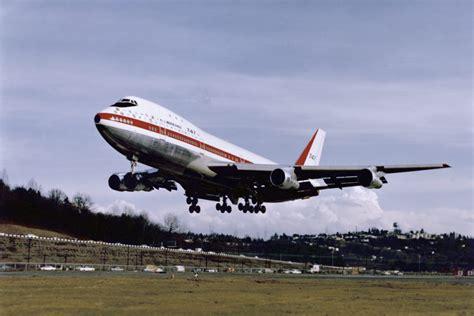
The Boeing 747-100 is not just a plane; it’s a monument to a revolutionary chapter in global aviation. Once the crown jewel of the long-haul revolution, the 747-100 brought the world closer together, democratized intercontinental travel, and redefined what was technically possible in commercial aviation. Today, its presence has all but vanished — reduced to static museum displays, stripped hulks in desert boneyards, or forgotten wreckage. But one Boeing 747-100 still flies, and its journey is both improbable and extraordinary.
The Last Airworthy 747-100: A Ghost in the Sky
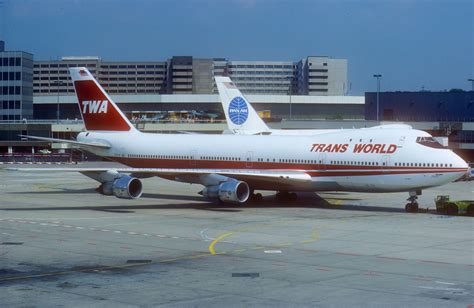
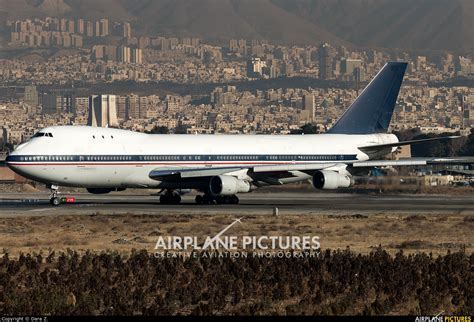
As of 2025, the only remaining Boeing 747-100 in active flight service belongs to the Islamic Republic of Iran Air Force. This aircraft, once the pride of Trans World Airlines (TWA), was delivered on October 22, 1970, and has somehow defied the logic of fleet modernization, regulatory obsolescence, and geopolitical constraint.
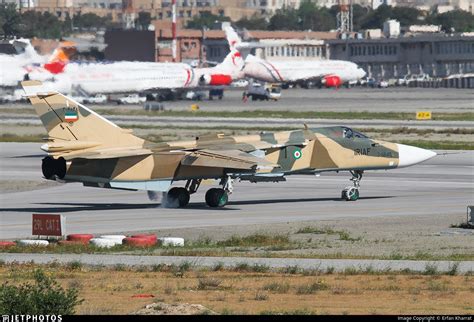
With an operational life that now spans more than five decades, this 747-100 stands alone. Every other member of its fleet family has either been scrapped, grounded, cannibalized for parts, or retired to museums. The last known -100 in flight, registration 5-8103, was absorbed into Iran’s military operations and continues to perform transport duties — a relic of aviation history still very much alive in the skies.
From TWA Luxury to Military Utility
When this 747-100 was handed to TWA, it symbolized opulence and ambition. The early ’70s was a period of booming transatlantic traffic, and airlines competed for prestige. TWA’s 747 fleet operated long-haul routes between New York, Paris, Rome, and beyond, offering passengers the unprecedented luxury of widebody flight.
Decades later, this aircraft transitioned into a new, secretive life under Iranian control. Sometime before the U.S. tightened its sanctions in the 1990s, Iran acquired the aircraft, repurposing it from commercial use to military transport, strategic logistics, and potentially VIP duties. It now operates under a regime of intensive, localized maintenance — and in near-total isolation from its Western manufacturer.
Its ability to continue flying despite this isolation is staggering. Boeing no longer supports the 747-100. Sanctions prohibit Iran from sourcing original spare parts or obtaining Western-certified inspections. And yet, this aircraft endures — a testament to Iran’s reverse engineering capabilities and determination to extend the usability of limited air assets.
Why Only This 747-100 Survived
The survival of this lone 747-100 is not just luck. It’s the result of a very particular set of circumstances, combining political isolation, technical resilience, and strategic necessity. While airlines around the world phased out their -100s for economic and regulatory reasons, Iran’s constraints forced an opposite trajectory: preserve, adapt, and sustain.
Three key factors explain this anomaly:
- Military Conversion: Once removed from the demands of passenger transport, the aircraft was no longer held to evolving civil aviation standards or economic constraints. Military aircraft can remain in service far longer, provided they remain airworthy and fulfill logistical roles.
- Sanctions-Driven Engineering: Iran, barred from acquiring new aircraft or OEM-certified parts, developed a robust domestic aviation maintenance ecosystem. This includes refurbishing components, reverse-engineering parts, and maintaining aging systems to military standards.
- TWA’s Meticulous Maintenance Legacy: Before its transfer, this aircraft benefited from TWA’s high maintenance standards and comprehensive documentation. Those early decades of care gave the airframe a strong foundation for long-term viability.
Technical Details of the Boeing 747-100
The Boeing 747-100 was the original widebody aircraft that changed the aviation world. It was the first aircraft to feature a twin-aisle cabin, introducing unmatched passenger capacity and transcontinental reach at scale. Launched in January 1970 with Pan Am, the -100 heralded the beginning of affordable global air travel.
Core Specifications of the Boeing 747-100:
| Feature | Details |
|---|---|
| First Flight | February 9, 1969 |
| Entry into Service | January 22, 1970 (Pan Am) |
| Engines | 4 × Pratt & Whitney JT9D-3A |
| Max Takeoff Weight | 735,000 lb (333,400 kg) |
| Typical Range | 4,620 nautical miles (8,560 km) |
| Passenger Capacity | 366 (3-class configuration) |
| Top Speed | Mach 0.92 (614 mph, 988 km/h) |
Its upper-deck hump was a game-changer, allowing the flight deck to be placed above the main cabin, which opened the nose for cargo access. It also introduced lounge spaces — and later, first-class or business seating — that became icons of early long-haul luxury.
Maintenance in the Shadows: Keeping the Old Queen Airworthy
Flying an aircraft built over 54 years ago is an almost impossible task in today’s aviation landscape. For Iran, doing so means mastering airframe preservation, creating or sourcing non-existent parts, and maintaining legacy systems without manufacturer guidance.
Iran likely sustains its 747-100 through:
- Scavenging parts from grounded 747s in domestic inventory
- Reverse engineering components, including hydraulics, pneumatics, and flight control systems
- Manufacturing custom parts via local industry partnerships
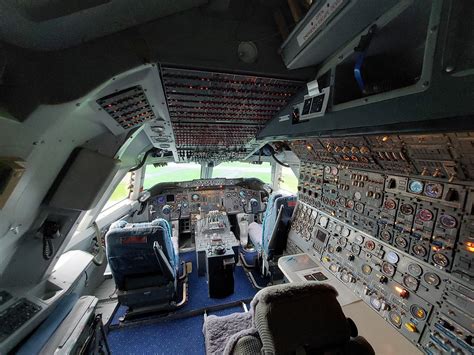
- Manual recordkeeping and inspections, given limited digital systems onboard
This involves not just technical ingenuity but institutional continuity — engineering teams that have passed down know-how for decades and adapted their skills in the absence of global supply chains.
Challenges to Continued Operation:
| Challenge | Explanation |
|---|---|
| Parts Obsolescence | No OEM support; parts no longer manufactured |
| Sanctions | Block access to certified aviation parts and maintenance tools |
| Aging Airframe | Structural fatigue, metal fatigue, corrosion |
| Manual Avionics | Non-digital systems are labor-intensive and error-prone |
| Inefficiency | High fuel burn; noisy engines; noncompliance with noise regs |
Comparing Surviving 747 Variants Worldwide
While the 747-100 is now down to a single flying example, a handful of 747-200s and 747SPs remain sporadically operational, mostly for military or governmental use. For instance:
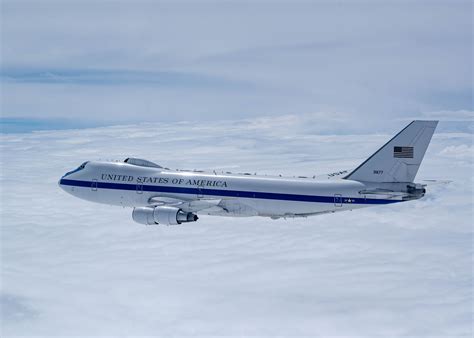
- The U.S. Air Force’s E-4B “Doomsday Plane”, based on the 747-200, remains in active readiness for nuclear command continuity.
- Several Middle Eastern states still possess operational 747SPs used for VIP transport.
- Iran operates other 747s, notably the -200F variants, maintained via the same localized support infrastructure.
Yet, none of these aircraft belong to the -100 lineage. That line is nearly extinct, its sole remaining emissary flying under military registration, with no prospect of commercial reentry.
Preservation vs. Flight: Why This Jet Might Never Retire Gracefully
Aviation museums around the world showcase static Boeing 747-100s, often painted in legacy liveries. But the last flying 747-100 may never receive such retirement honors. Due to its role in Iran’s military, geopolitical tensions, and the classified nature of its operations, it is unlikely that this aircraft will be donated, displayed, or even acknowledged upon retirement.
Instead, the likely future of this 747-100 includes:
- Disassembly and cannibalization for parts to support other aging aircraft
- Storage in remote military facilities, inaccessible to aviation historians
- Complete scrapping in an unannounced or unrecorded setting
This unfortunate reality adds even more urgency to documenting and understanding the legacy of the 747-100. Its cultural impact, engineering achievements, and geopolitical journey deserve more than silent disappearance.
The Legacy of the 747-100: An Aviation Epoch in Metal
The Boeing 747-100 was never just a product — it was a revolution. It embodied Cold War ambition, American engineering dominance, and a global appetite for discovery. It changed how people traveled, how airlines operated, and how nations thought about connectivity.
Now, with one aircraft left in flight, its story is nearing its final chapter. But as long as that airframe roars above the deserts of Iran, the legacy of the Queen of the Skies endures — not as a relic, but as a living monument to the era that shaped the modern world.