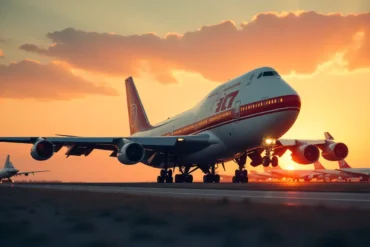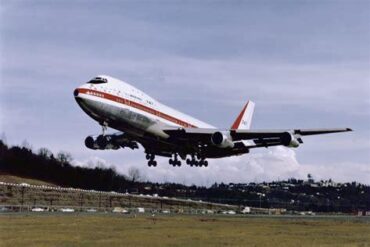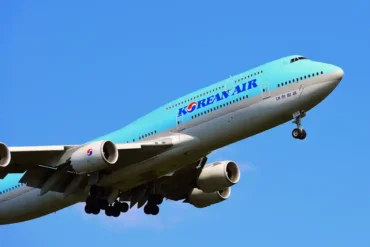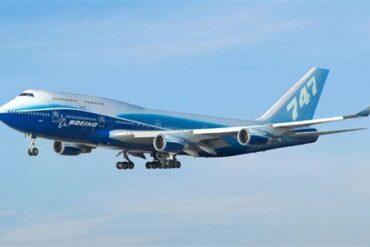
The Boeing 747 remains one of the most storied aircraft in global aviation, and even as the world shifts toward more efficient twin-engine widebodies, the jumbo jet still holds a meaningful presence in winter transpacific and transatlantic service. This season, only 13 passenger routes to the United States will feature the Queen of the Skies, operated exclusively by Lufthansa, Air China, and Korean Air. Despite its reduced footprint, the aircraft continues to shoulder serious long-haul demand and offers capacity airlines are struggling to replace amid delayed deliveries of newer models.
The winter season between December 2025 and February 2026 showcases how major carriers strategically deploy the 747 to high-volume airports in the northeastern corridor, California, and select hubs across the Midwest and South. These routes highlight the ongoing relevance of the 747-8, especially for carriers waiting on next-generation widebody fleets. In this analysis, each route is explored in depth, with a focus on frequencies, operational shifts from last winter, and the network logic behind keeping the jumbo in service.
Lufthansa remains the largest operator of the type globally, pairing its 19 747-8s and eight 747-400s with the strongest long-haul demand in its North American network. Air China and Korean Air, meanwhile, sustain limited but strategically positioned 747 operations to maximize capacity where demand remains consistently resilient.
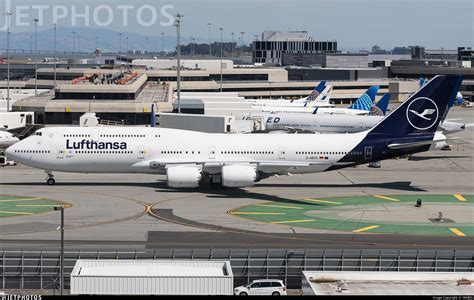
Lufthansa Dominates US 747 Service With Eight Key Routes
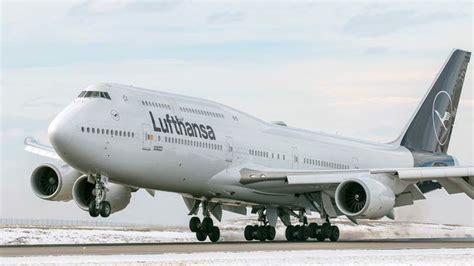
Frankfurt once again anchors the world’s busiest 747 hub, with Lufthansa allocating the jumbo jet to eight major U.S. gateways. Throughout the winter season, Newark, Miami, Washington Dulles, Chicago, Los Angeles, Houston, New York JFK, and San Francisco will all see scheduled 747 service.
Washington Dulles and Miami receive the most stable deployment: both airports enjoy a daily 747-8 throughout December, January, and February. These two markets consistently generate strong business and leisure demand, making them ideal platforms for Lufthansa’s highest-capacity aircraft.
Newark and New York JFK join the roster with daily frequencies at varying points in the season. JFK resumes 747 service from January 12, replacing last year’s Airbus A340-600 and A340-300 operations as Lufthansa boosts overall winter frequency. Newark sees daily flights until January 19, further reinforcing its role as one of Lufthansa’s busiest transatlantic markets.
Los Angeles and San Francisco both maintain daily 747-8 flights through January, transitioning to six weekly services in February when premium-demand fluctuations historically soften. Chicago stands out as the only U.S. city receiving a mix of 747-8 and 747-400 service—marking a seasonal transition between the two sub-variants and replacing the A340 family used last winter.
Air China Maintains Targeted 747-8 Deployments to Washington and New York
Air China’s winter Boeing 747 strategy is lean but purposeful. The airline assigns the 747-8 to two high-yield U.S. routes: Beijing–Washington Dulles and Beijing–New York JFK.
Washington Dulles receives twice-weekly service, operating on Tuesdays and Fridays, reflecting targeted diplomatic, business, and premium-heavy demand. JFK sees five weekly flights, strategically spaced across the week to balance connection flows and maintain schedule consistency. Air China’s winter pattern mirrors long-term demand trends between China and the United States, though its network remains smaller than before the pandemic.
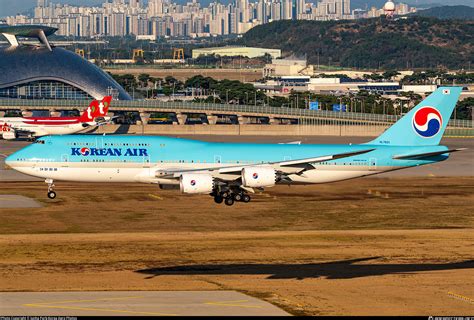
Korean Air Utilizes the 747-8 on Honolulu and Los Angeles Routes
Korean Air retains two U.S. 747 routes this winter, both operated by the 747-8. The Honolulu service continues with daily flights through December, catering to peak-year-end leisure traffic. Meanwhile, Los Angeles sees nine weekly flights, reflecting a blend of winter leisure demand, high cargo volumes, and substantial Korean diaspora traffic.
This schedule marks a shift from last winter, when Korean Air also deployed its 747s to Atlanta and New York JFK. The sharpening of winter capacity onto Honolulu and Los Angeles aligns with network priorities and ongoing fleet modernization efforts.
What Changed Since Last Winter: Notable Route Shifts and Strategic Tweaks
Multiple changes distinguish this year’s 747 schedule from last winter. Lufthansa is the most dynamic operator: New York JFK, Chicago, and Houston did not see 747 service last season. Instead, they were served by combinations of A340s and A330s. The upgauge to the 747 responds to heightened winter demand and delayed deliveries of the carrier’s incoming Boeing 787, 777X, and Airbus A350 fleets.
Houston, for instance, operated exclusively with the A330-300 last winter. This year, the A330 will continue through January, after which the 747 enters service for the remainder of the season. Chicago transitions from A340 service to mixed 747-8 and 747-400 operations, giving the route the largest jump in capacity year-on-year.
Among Asian carriers, Air China’s JFK route remains stable, while Korean Air has scaled down to two U.S. 747 destinations instead of three, optimizing its fleet for winter efficiency and ongoing aircraft renewal.
Why the Boeing 747 Still Matters: Demand Surges and Delivery Delays
Despite widespread retirements, the 747-8 persists because airlines still need it. Lufthansa relies heavily on the type to bridge the widening gap created by repeated delays to its future fleet. With 26 787s, 21 777Xs, and 28 A350s still pending delivery, the 747-8 remains instrumental in maintaining long-haul capacity.
Korean Air faces similar pressures. While modernizing rapidly, it continues using the 747-8 on high-demand routes where its capacity and reliability remain unmatched. Both carriers value the aircraft’s mix of passenger capacity and cargo capability, especially during peak-season transpacific operations.
The Boeing 747 may be entering its twilight years, but this winter demonstrates that its legacy is far from over. Across 13 carefully chosen U.S. routes, the Queen of the Skies continues to carry the world’s busiest long-haul corridors, proving once again that aviation icons endure when demand—and circumstance—call upon them.