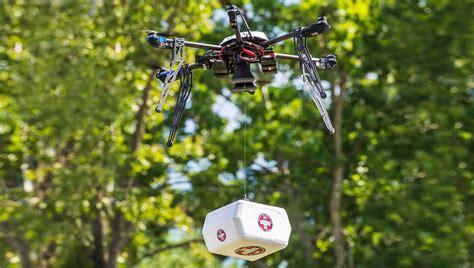
The University of Kentucky, in a landmark initiative to bridge the healthcare divide in rural Appalachia, has launched a pilot study to deliver medical supplies via drone to some of the most geographically isolated communities in the region. The program, a collaboration between the University’s Center of Excellence in Rural Health in Hazard, USA Drone Port, and Kentucky Homeland, seeks to demonstrate how unmanned aerial systems can provide critical healthcare support in areas where infrastructure and access often fall short.
A Flight Toward Healthcare Equity in Appalachia
The origins of this project can be traced back to the challenges exposed during the COVID-19 pandemic, when communities in eastern Kentucky struggled to access even the most basic protective equipment. In counties defined by winding roads, mountainous terrain, and sparse population density, the delivery of medical goods such as masks and gloves became an ordeal. This effort seeks to create a reliable supply chain pathway that circumvents those physical barriers.
Ellen Hahn, former director of the UK Cares Center for Appalachian Research and Environmental Sciences, emphasized the importance of reaching those who live far from traditional healthcare access points: “We thought this might be an opportunity to see if we could collaborate with the Drone Port to get them what they needed because many of them live in remote areas of Appalachia.”
This drone-based healthcare delivery model isn’t merely a high-tech novelty. It is a targeted response to a chronic problem — patients forced to drive more than 30 miles to see a physician or visit a pharmacy. In a pilot involving 11 patients, most of whom are in their mid-60s and suffer from chronic illnesses, drones delivered packages of personal protective equipment (PPE), saving travel time and offering a glimpse of a better future for rural care.
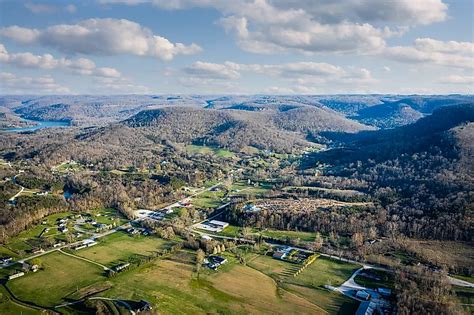
Navigating the Terrain: Technology Meets Topography
This project is as much an exercise in technological logistics as it is a humanitarian effort. The drone models used in this study were optimized for small-payload medical deliveries, designed to carry up to approximately five pounds per trip. Though the specific drone models were not disclosed, similar configurations are typically capable of flying 10 to 20 miles per charge — a vital range when operating in sparsely populated and rugged areas.
The Appalachian geography presented significant operational hurdles. Variations in elevation, dense tree cover, and limited line-of-sight for drone operators posed risks that were mitigated using advanced navigation systems, GPS routing, and live telemetry through monitoring stations. The drones were launched and controlled in collaboration with USA Drone Port, which provided the necessary infrastructure and personnel to ensure mission success.
Each delivery followed a carefully plotted course, landing within pre-defined zones to minimize the risk of damage or misdelivery. The project’s success here is not merely technical — it reflects a growing capacity to integrate autonomous or semi-autonomous flight into real-world humanitarian applications.
Patient Response: A Ground-Level View of Innovation
Feedback from participants reveals how transformative this technology could be. After receiving their deliveries, 60% of patients reported they would be willing to receive medical items by drone again. Even more strikingly, 80% expressed interest in scheduling future PPE deliveries via drone. This response is not just an endorsement of technology, but of access, autonomy, and convenience.
These patients are part of a demographic that typically faces heightened healthcare vulnerability — older adults with chronic illnesses living in medically underserved regions. For them, the drone is not just a delivery mechanism, but a lifeline that can overcome environmental and logistical hurdles with ease. In turn, their positive reception strengthens the argument for expanding the program to include medications and more complex medical necessities.
Regulatory Landscape and Future Implications
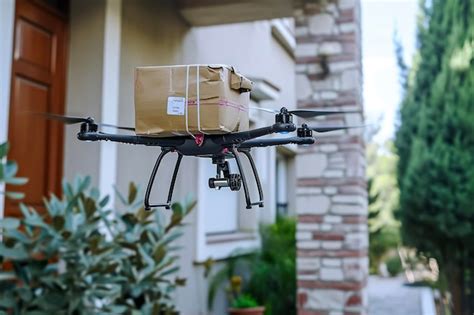
The regulatory environment for drone-based deliveries remains a central concern. The Federal Aviation Administration (FAA) currently imposes strict rules around beyond-visual-line-of-sight (BVLOS) operations, which these flights often require. Special waivers or certifications are needed to operate in this capacity, and while this pilot adhered to regulatory protocols, it also acts as a proving ground for future legislative accommodations.
However, advancements in drone autonomy, improved battery life, and enhanced object-avoidance systems are rapidly reshaping the technical capabilities of commercial and public-sector drones. These changes suggest that wider-scale drone deliveries for medical logistics may soon be possible with less regulatory friction. In time, drones could deliver not just PPE but also temperature-sensitive medications, lab samples, or even emergency defibrillators, opening a new frontier in decentralized, agile healthcare logistics.
The implications are profound: better continuity of care, enhanced crisis response capability, and a reduction in healthcare disparities. Moreover, this model can be replicated in other rural parts of the U.S., or internationally in regions where supply chains are disrupted by geography, conflict, or underdevelopment.
A New Model for Rural Health Infrastructure
From an economic perspective, the cost-benefit calculus leans in favor of drone deployments. Traditional road-based supply routes in Appalachia are time-intensive and costly, particularly when weather conditions degrade passability. Drones, in contrast, offer a low-maintenance, high-mobility delivery method with minimal infrastructure requirements.
This is not just an incremental improvement — it’s a systemic innovation. With continued research and policy alignment, drones can become an integral part of public health infrastructure. Hospitals and clinics, particularly in rural networks, could adopt dedicated drone corridors for critical resupply operations, cutting down on delivery times from days to hours.
The University of Kentucky’s pilot project, though small in scope, exemplifies how academic institutions can lead applied innovations that directly benefit underserved populations. By placing cutting-edge drone technology into a public service framework, the university sets a precedent for how research and community engagement can coalesce into impactful, scalable healthcare solutions.
Expanding the Horizon: What Comes Next?
Looking forward, the project’s leaders are eager to expand the scope of the program. Ellen Hahn has expressed interest in moving beyond PPE to explore prescription drug delivery, particularly for patients managing chronic illnesses like diabetes, COPD, and heart disease — conditions that often require timely medication refills.
To do this, more partnerships will be essential. Collaboration with healthcare providers, state health departments, and logistics technology firms will be necessary to move from pilot to production. Integrating electronic health records with delivery schedules, verifying delivery recipients, and maintaining cold chain integrity for certain medications are among the next set of technical and regulatory challenges.
But the blueprint is here, and the results are compelling. The future of rural healthcare may not lie in building more clinics, but in building smarter pathways to deliver care — pathways that fly.
Conclusion: A Transformative Beginning
The University of Kentucky’s drone delivery initiative is not merely a tech demonstration. It is a vision of inclusive, accessible healthcare reshaped by aerial innovation. With its focus on real patients, hard-to-reach regions, and practical logistics, the project embodies how technological foresight combined with academic rigor can solve real-world problems.
In the rugged valleys and hills of Appalachia, the drone has found more than a flight path — it has found a purpose.