Singapore has once again reaffirmed its global reputation as a premier safe haven for travelers, claiming the second spot in a newly released Global Travel Safety Index. This prestigious ranking, just behind Iceland, reflects the city-state’s unparalleled commitment to law enforcement integrity, social order, and public health excellence.
The comprehensive index, developed by a UK-based financial research platform, assessed 35 diverse safety indicators across five broad pillars: natural disaster frequency and severity, societal violence, internal/external conflict, healthcare quality, and militarization. Countries were rated on a 0 to 100 scale, with lower scores indicating higher safety. Singapore’s score of 19.99 narrowly followed Iceland’s industry-leading 18.23, underscoring the near parity in safety standards between the two nations.
Singapore’s near-flawless safety profile did not happen by chance. Its low crime rate, visible policing, and strict legal policies are core drivers of this achievement. The city’s legal code features zero tolerance for crimes ranging from theft to violent offenses. With punishments that include significant fines and prison terms, Singapore sends a clear message: criminal activity will not be tolerated.
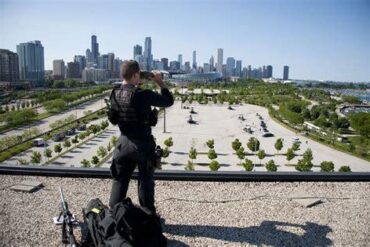
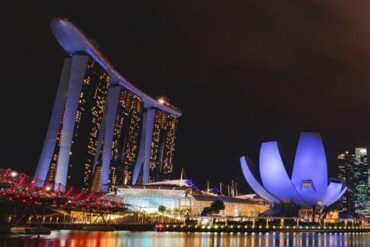
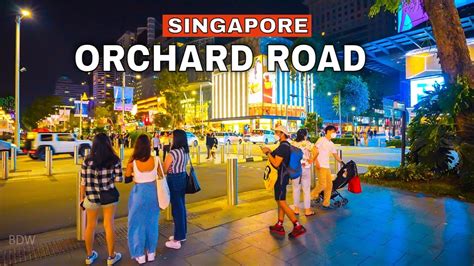
Even casual visitors can sense the security atmosphere that pervades daily life. Tourists often report feeling completely safe walking alone at night — whether in the bustling Orchard Road shopping area, the heritage-laden Chinatown precincts, or the Marina Bay waterfront. This perception is not just anecdotal; it is reinforced by a nationwide surveillance network that incorporates thousands of CCTV units across public transportation hubs, tourist zones, shopping centers, and civic landmarks. When paired with frequent and mobile police patrols, the result is an environment of continuous public monitoring and swift incident response.
A Legal System Designed to Deter and Protect
The backbone of Singapore’s internal security is its robust legal system. The country maintains firm but fair legal structures that are instrumental in preserving public order. Crimes such as vandalism, drug use, and violent behavior are met with rapid legal action. While these measures have sometimes drawn criticism from human rights advocates, they remain broadly supported within Singapore and are credited for the nation’s consistent public safety.
Penalties for theft can reach up to three years’ imprisonment, and similar severity applies to other forms of criminal activity. This unwavering approach to justice minimizes opportunities for crime and strengthens citizens’ and visitors’ trust in public institutions.
Healthcare: A Quiet Guardian of Travel Safety
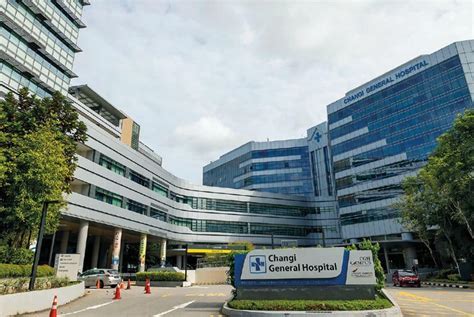
A critical, though sometimes underestimated, component of travel safety is the availability and quality of healthcare. Singapore excels in this regard with its world-class medical infrastructure, which plays a significant role in reassuring travelers.
Modern hospitals, efficient emergency services, multilingual healthcare professionals, and a streamlined insurance framework ensure that visitors can access urgent medical attention without delay. This is especially vital in a world where travel health concerns have been heightened by the recent global pandemic.
Additionally, Singapore’s consistent public health initiatives—ranging from pandemic preparedness to sanitation regulations—position it as a leader in urban health resilience.
Diplomatic Neutrality and Geopolitical Stability
Another key factor boosting Singapore’s index score is its non-confrontational foreign policy. Unlike other global hubs, the island nation has managed to steer clear of military conflicts and aggressive international entanglements. Its reputation as a neutral, well-governed economic powerhouse in Southeast Asia provides it with a layer of geopolitical insulation.
Singapore’s leadership prioritizes diplomacy and trade over militarization, fostering regional trust and cooperation. The country’s minimal military engagement and absence from conflict zones significantly enhance its appeal to both leisure and business travelers.
Surveillance and Technology: Smart Security in a Smart Nation
Singapore’s success in public safety is also deeply intertwined with its strategic use of surveillance technology. As one of the most digitally advanced cities in the world, Singapore leverages high-tech systems to monitor potential threats and optimize law enforcement responses.
Urban surveillance, predictive policing algorithms, facial recognition systems at immigration checkpoints, and a unified digital platform for emergency response coordination are just some of the tools that support this smart city approach to safety.
Such innovation ensures that incidents are either preemptively mitigated or swiftly neutralized. And importantly, these systems operate under strict regulatory oversight, balancing efficiency with respect for civil liberties.
A Benchmark for Safe Urban Living and Tourism
What sets Singapore apart is not just its crime deterrent or healthcare capacity, but the seamless integration of all safety dimensions into daily life. From clean water and food hygiene to efficient transportation and disaster response planning, safety permeates every aspect of urban living.
Even during emergencies, Singapore demonstrates remarkable resilience. The country’s well-rehearsed civil defense protocols, clear public communication, and organized evacuation procedures provide residents and tourists alike with the confidence that the government is capable of handling crises efficiently.
A Global Comparison: Who Else Made the Top 10?
The Global Travel Safety Index named several other countries in its top 10, mostly from Europe. Following Iceland and Singapore were:
- Denmark
- Austria
- Switzerland
- Czech Republic
- Slovenia
- Finland
- Ireland
- Hungary
These nations were commended for their low violent crime rates, political stability, and strong social infrastructure. Still, Singapore remains a standout as the only Asian country to break into the top tier—emphasizing its unique achievement.
Singapore’s Value Proposition in a Post-Pandemic World
As global travelers increasingly prioritize health, security, and stability in their decision-making processes, Singapore offers an unparalleled mix. Its rigorous border controls, transparent health communication, and controlled urban planning present a compelling case for visitors seeking a worry-free travel experience.
The combination of technological vigilance, legal enforcement, and societal cooperation creates an atmosphere where both safety and freedom coexist. International tourists—whether vacationers, corporate travelers, or expatriates—can enjoy the city with the assurance that their wellbeing is a national priority.
A Model for Urban Security in the 21st Century
Singapore’s high ranking in the Global Travel Safety Index is more than an accolade; it is a case study in successful urban governance. It demonstrates how a city can use infrastructure, legislation, innovation, and diplomacy to build a truly safe environment.
Looking ahead, Singapore’s challenge will be to maintain this status amid evolving threats—cyber risks, global pandemics, and transnational crime. But with its proactive policy-making and future-ready leadership, Singapore appears well-equipped to meet these challenges head-on.
As global travelers search for destinations where safety is not a luxury but a given, Singapore stands out as a beacon of peace, efficiency, and trust—a city that doesn’t just promise security but delivers it daily.