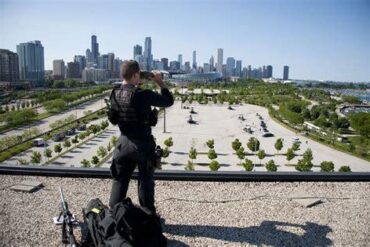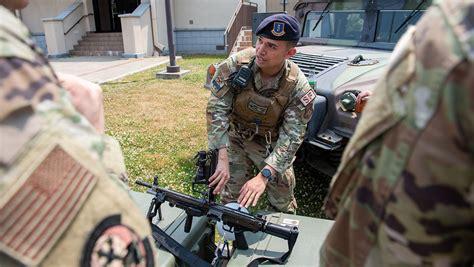
Entering the military with a clear professional goal can feel like a strategic move, especially when that goal is rooted in civilian law enforcement. Among aspiring recruits, the idea of becoming an Air Force Military Police (MP)—officially known as Security Forces—often appears to be a direct and logical stepping stone toward a future policing career. The appeal is understandable: uniforms, authority, structured environments, and proximity to law enforcement functions all seem aligned with the end goal.
Yet, when we examine firsthand accounts and long-term outcomes, a more nuanced and, at times, sobering reality emerges. The pathway from Air Force MP to civilian police officer is not as straightforward—or as beneficial—as many initially believe. Understanding this distinction is essential for anyone weighing this career choice seriously.
Understanding the Air Force MP Role: Security Forces Explained
The Air Force Security Forces career field is often misunderstood. While the term “Military Police” suggests a role deeply rooted in law enforcement duties, the daily responsibilities of Security Forces personnel are heavily oriented toward installation security and asset protection.
In practice, this frequently means long hours assigned to:
- Entry control points (gates), checking identification
- Monitoring restricted areas and flight lines
- Conducting random vehicle inspections
- Responding to base-level incidents
These duties are undeniably important, particularly in safeguarding high-value military assets such as aircraft and sensitive infrastructure. However, they are fundamentally different from civilian policing, which centers on community interaction, investigations, legal procedures, and casework.
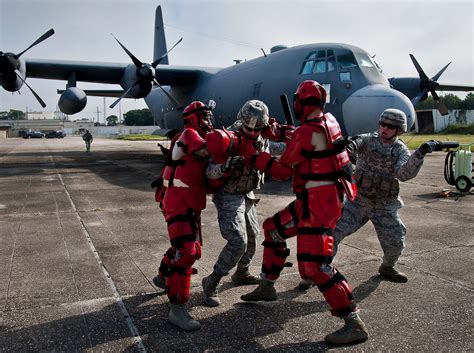
The distinction becomes critical when evaluating how well this role prepares individuals for careers outside the military.
The Gap Between Military Policing and Civilian Law Enforcement
A recurring theme among former Air Force MPs is the disconnect between military duties and civilian policing requirements. While there is some overlap—particularly in discipline, situational awareness, and officer safety tactics—many core competencies required in civilian law enforcement are minimally addressed.
Civilian police officers must develop expertise in:
- Criminal law and constitutional procedures
- Evidence handling and investigative techniques
- Report writing and courtroom testimony
- Community policing and conflict de-escalation
By contrast, many Air Force MPs report limited exposure to these areas during their service. Instead, their experience is often operational rather than investigative, focused on deterrence rather than case-building.
This leads to a common realization among transitioning service members: despite years in uniform, they must still undergo extensive retraining or academy education to meet civilian policing standards.
What Air Force MP Experience Actually Builds
While the role may not directly mirror civilian law enforcement, it would be inaccurate to dismiss its value entirely. The experience does cultivate a specific set of strengths that can be advantageous in any structured profession.
These include:
- Tactical awareness and response readiness
- Strict adherence to protocols and chain of command
- Stress management in controlled high-security environments
- Basic use-of-force familiarity
Such skills are often appreciated by hiring departments, particularly those near military installations. In fact, some agencies note that former Security Forces personnel may demonstrate strong officer safety instincts early in their careers.
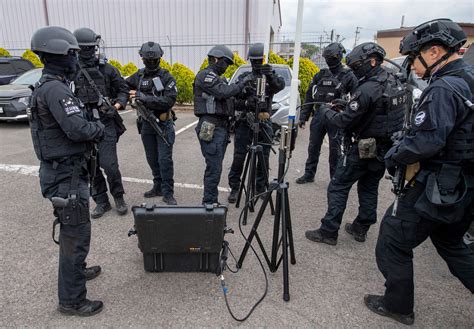
However, these strengths tend to represent only a portion of what modern policing demands. Without complementary knowledge in legal frameworks and investigative processes, candidates may find themselves playing catch-up.
The “Gate Guard” Reality: Repetition and Career Satisfaction
One of the most frequently cited criticisms of the Air Force MP path is the repetitive nature of daily assignments. Many describe extended periods spent performing static security duties, particularly at base entry points.
This repetition can lead to:
- Reduced job satisfaction over time
- Limited skill diversification
- A sense of stagnation in professional development
For individuals who entered the field expecting dynamic law enforcement experiences, this mismatch can be frustrating. The gap between expectation and reality is often where dissatisfaction begins.
It is worth noting that assignments can vary by location and unit, but the baseline experience remains heavily security-focused rather than investigative or patrol-oriented in the civilian sense.
Does Being an MP Help You Become a Police Officer?
The most direct answer is both simple and complex: military service helps—but the specific MP role is not a significant advantage.
Law enforcement agencies generally value:
- Military service of any kind
- Honorable discharge
- Demonstrated discipline and reliability
However, they do not necessarily prioritize MP experience over other military occupational specialties. In many cases, candidates from technical, medical, or mechanical backgrounds are equally competitive—or even more so due to their broader skill sets.
This insight challenges a common assumption: that choosing MP is the “best” way to prepare for policing. In reality, it is merely one of many paths—and not the most strategically versatile one.
The Importance of a Backup Career Path
A critical point often overlooked by aspiring officers is the uncertainty of a law enforcement career. Statistics and anecdotal evidence consistently show that a significant percentage of new officers:
- Leave within the first five years
- Burn out due to stress or work conditions
- Transition to other careers unexpectedly
This makes the choice of a military specialty even more consequential. Selecting a role with clear civilian applications—such as aviation maintenance, healthcare, or engineering—can provide a crucial safety net.

For example, aviation mechanics are in high demand globally, often able to secure stable, well-paying positions immediately after service. Similarly, medical roles can translate directly into civilian certifications.
In contrast, the Air Force MP role offers limited direct transferability, placing greater pressure on individuals to re-skill after leaving the military.
Alternative Military Paths That Offer Stronger Civilian Value
When evaluating long-term outcomes, certain military specialties consistently stand out for their dual benefits—serving both during enlistment and after transition.
Fields worth considering include:
- Aviation maintenance and avionics
- Cybersecurity and IT systems
- Medical and emergency services
- Logistics and supply chain management
These roles not only provide valuable experience but also align with industries experiencing strong civilian demand. They offer a level of flexibility that the MP path often lacks.
Choosing such a specialty does not prevent entry into law enforcement later. On the contrary, it may enhance a candidate’s profile by demonstrating diverse capabilities and adaptability.
Psychological and Cultural Benefits of Military Service
Regardless of specialty, military service offers intangible benefits that should not be underestimated. Living and working in diverse environments fosters:
- Resilience and adaptability
- Exposure to different cultures and perspectives
- Strong interpersonal skills under pressure
These qualities are highly valued in policing, where officers must navigate complex human interactions daily.
The structured environment also instills a sense of accountability and professionalism that carries over into civilian careers.
Making the Right Decision: Passion vs. Practicality
The central dilemma often comes down to a simple question: Should one follow personal interest or prioritize long-term practicality?
If the role of an Air Force MP genuinely resonates—beyond its perceived connection to policing—then it may still be a fulfilling choice. Passion can sustain motivation even in repetitive or challenging environments.
However, if the decision is driven solely by the belief that it is the best preparation for a police career, the evidence suggests otherwise. In that case, a more strategic approach would be to:
- Choose a versatile, high-demand specialty
- Gain life and work experience
- Transition into law enforcement through traditional channels
Final Perspective: A Strategic View of the Air Force MP Career
The idea of becoming an Air Force MP as a stepping stone to civilian law enforcement is compelling—but ultimately misleading when taken at face value. The role offers discipline, structure, and some tactical experience, yet falls short in delivering the comprehensive preparation required for modern policing.
Those who succeed in law enforcement after military service often do so not because of their specific military job, but because of their overall maturity, discipline, and adaptability.
The most effective strategy is not to chase a direct but narrow path, but to build a broad foundation of skills and options. In that context, the Air Force MP career becomes one of many possible routes—valuable in its own way, but not uniquely advantageous.
For anyone standing at this crossroads, the decision should be made with clarity, not assumption. Because in the long run, the strongest careers are built not just on ambition—but on informed choices and strategic foresight.