Australian tourists are flocking to Japan in record numbers, drawn by snow-covered slopes, cherry blossom festivals, and the vibrant cultural contrast. Yet beneath the surface of this travel boom lies a brewing financial storm. As the Australian dollar plunges and Japan’s healthcare costs surge, a significant spike in medical insurance claims is sounding alarm bells for insurers, policymakers, and travellers alike.
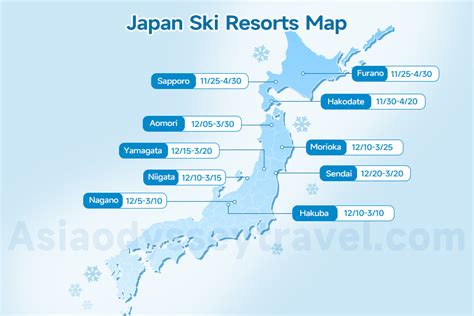
Recent data reveals a staggering 46% increase in medical claims from Australians visiting Japan in the past year. Much of this rise is driven by winter sports injuries, especially during Japan’s peak ski season in destinations such as Niseko, Hakuba, and Nozawa Onsen.
Broken bones, torn ligaments, and dislocations top the list of reported injuries, and in many cases, the treatment bills soar into five-figure territory. One misjudged snowboarding turn could result in an airlift, emergency surgery, and rehabilitation—all of which are fully payable out-of-pocket unless the traveller holds a comprehensive insurance policy.
Rising Claims Collide with Healthcare Inflation in Japan
Japan’s healthcare system is world-renowned for its quality, efficiency, and advanced technology. However, it offers no subsidies for non-residents. This means tourists are responsible for 100% of their medical expenses, whether it’s a minor clinic visit or a major operation. As Japan’s domestic medical costs continue to rise—spurred by aging infrastructure, demand for skilled labor, and advanced medical technologies—the burden on uninsured or underinsured tourists is becoming unbearable.
The Japanese government, increasingly concerned about the impact of unpaid foreigner medical bills on its healthcare facilities, is now contemplating mandatory health insurance for all inbound travellers. Such a policy would reduce pressure on hospitals and ensure patients receive timely care, but it also highlights the severity of the issue and the rising risk profile of Australia-Japan travel.
Aussie Dollar Weakens, Budget Travel Turns Risky
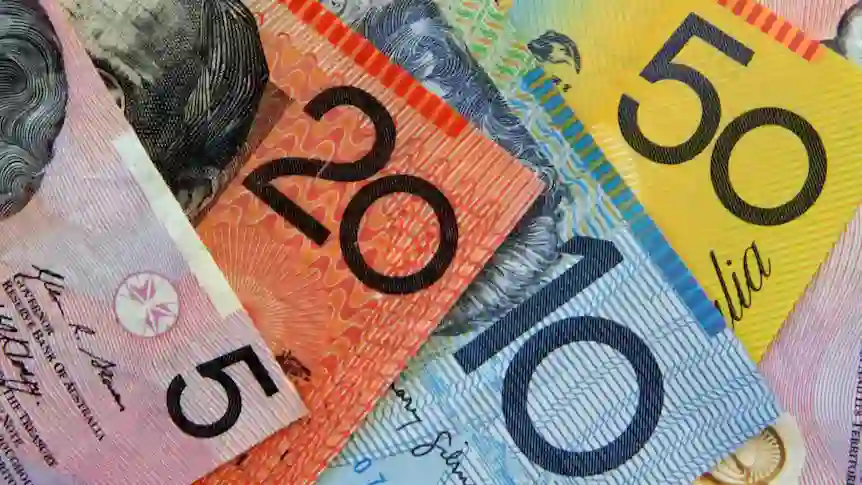
Adding to the complication is the freefall of the Australian dollar, which has dropped below 90 yen for the first time since 2023. The lower exchange rate means Australians are now paying more for accommodation, food, transportation, and crucially, medical services. What was once a reasonably priced hospital visit can now double or triple in effective cost.
Many Australians traveling on tighter budgets are trimming costs by choosing minimal insurance coverage, often unaware that these bare-bones policies exclude expensive claims like emergency evacuation or surgical intervention. The result? Tourists are getting caught out—financially devastated by bills they never anticipated.

Tourism Growth Masks Financial Vulnerabilities
Despite these risks, enthusiasm for Japanese travel among Australians shows no sign of slowing. In 2023, nearly one million Australians visited Japan—a 50% year-on-year increase. Japan now ranks among the top three international destinations for Australians, alongside New Zealand and Indonesia.
This rebound in travel signals post-pandemic confidence, but it also masks the growing vulnerability of tourists. The illusion of normalcy is fragile, as many overlook the steep costs that can arise from sudden illness or injury. With winter sports accidents accounting for nearly a quarter of all Japan-related medical claims, the financial exposure is no longer hypothetical—it’s statistically likely for high-risk travelers.
The True Cost of Inadequate Insurance
Aussies filing claims aren’t just dealing with broken bones. Medical insurance claims have expanded to include:
- Hospitalization and surgery costs
- Air evacuations to Tokyo or repatriation to Australia
- Prescription medication expenses
- Physical therapy or long-term rehabilitation
Alongside medical incidents, insurers are also seeing spikes in claims for lost luggage, trip cancellations, and flight disruptions. However, many basic policies offer only partial or no reimbursement in such cases. Travellers who choose price over protection often find themselves shouldering thousands in uncovered costs.

Insurance providers are urging Australian travellers to look beyond premium price points and evaluate the depth of coverage. Key policy features should include:
- Unlimited medical coverage or high maximum limits
- Winter sports protection add-ons
- Emergency evacuation and repatriation
- Trip cancellation and interruption coverage
- 24/7 assistance services in English
Insurance Industry Responds with Innovation
As claims increase and medical inflation accelerates, the travel insurance industry is shifting toward more tech-driven claim systems. Insurers are leveraging AI-powered assessment tools to accelerate approvals, detect fraud, and manage costs more efficiently. These platforms can help process claims faster, reducing the emotional and financial strain on injured tourists.
Still, no technology can replace the foresight needed to choose the right policy upfront. Experts recommend reading the fine print and consulting with insurance specialists before finalizing travel plans, especially when visiting destinations with high medical risk profiles like Japan.
Calls Grow for Consumer Education and Policy Reform
Australian consumer watchdogs and travel advocates are now calling for greater public awareness campaigns around travel insurance. Many argue that current advertising and airline booking flows understate the importance of robust coverage, allowing travellers to mistakenly believe that all policies offer equal protection.
Furthermore, there’s increasing pressure on both insurers and policymakers to consider regulatory reforms. Ideas under discussion include:
- Minimum insurance standards for outbound Australian travellers
- Mandatory disclosures of coverage limitations during booking
- Real-time exchange rate calculators to help travellers understand cost exposure
These proposals underscore a growing consensus: in today’s volatile travel environment, insurance is no longer a “nice-to-have” but a critical financial safeguard.
Winter Wanderlust Shouldn’t End in Financial Disaster
Whether chasing powder snow or soaking in hot springs, Australians exploring Japan must navigate more than just language and culture—they must also navigate an evolving landscape of financial risk. A fractured wrist on the slopes or a viral infection in Tokyo can unravel even the most carefully planned vacation without the right insurance cushion.
As the yen strengthens, healthcare costs rise, and emergencies grow more frequent, the margin for error shrinks. Comprehensive travel insurance isn’t an extra—it’s essential. Those venturing to Japan should ensure they have the protection needed to enjoy the journey without fear of a fiscal cliff at every turn.
Looking Ahead: Preparing for a New Era of Global Travel
The Japan travel boom offers undeniable benefits—from cultural enrichment to economic exchange—but it also exposes a need for smarter travel practices. For Australians, this means embracing not only the joy of overseas adventures but also the responsibility of risk mitigation.
As governments, insurers, and travellers adjust to this new reality, the message is clear: don’t let a holiday become a financial nightmare. With sound planning, proper coverage, and awareness of the risks, Australians can continue to enjoy everything Japan has to offer—safely, securely, and without unexpected financial fallout.