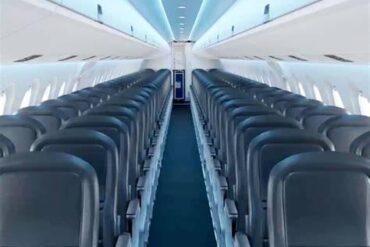
United Airlines is preparing a new Economy Plus seating concept for its upcoming Airbus A321XLR fleet, creating a product that delivers additional personal space without moving fully into traditional premium cabins. The airline describes the feature as an innovation, but aviation observers note that the concept closely resembles the short-haul European business class model, where airlines regularly block middle seats to create a more comfortable experience.
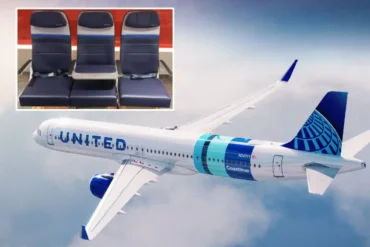
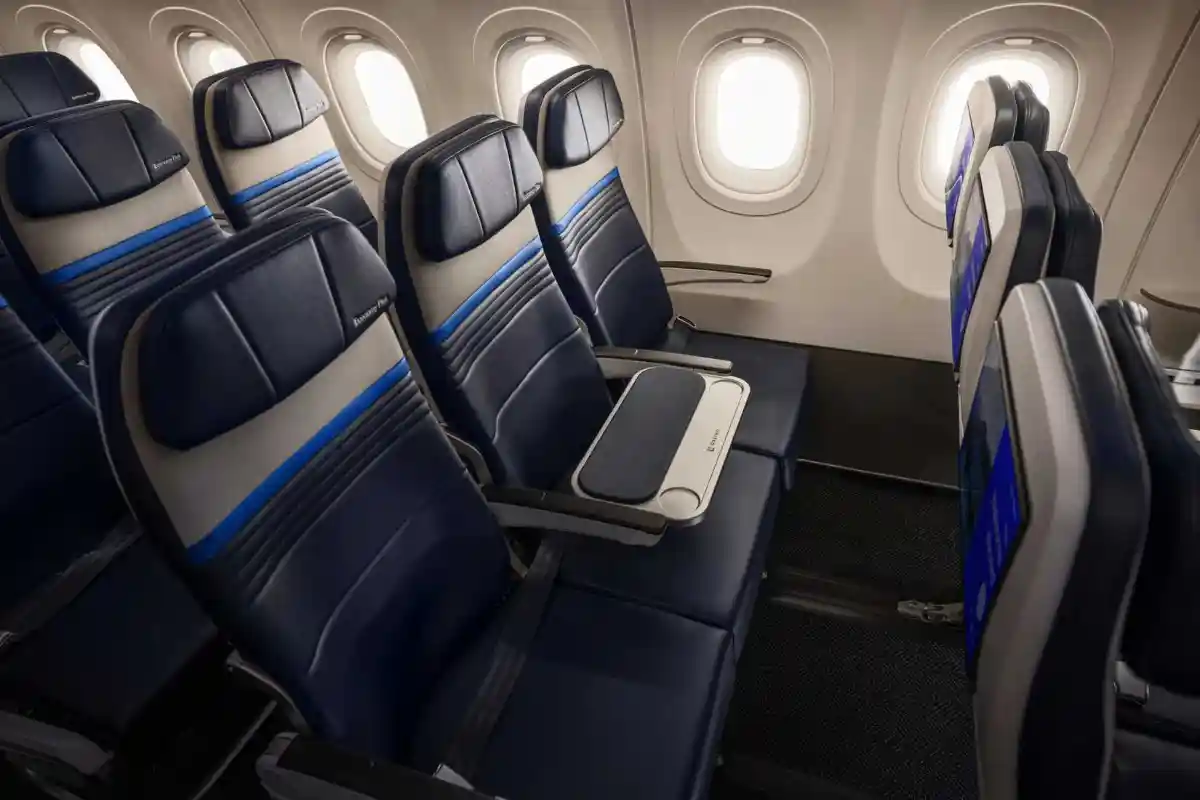
The new seating arrangement will appear across United’s order of 50 Airbus A321XLR aircraft. In one Economy Plus row, the middle seat will remain unused and will be covered with a fixed table featuring a soft leather-like surface. The result is a four-passenger row instead of the standard five-seat layout, giving travelers more room for shoulders, drinks, laptops, and personal belongings.
The move represents United’s attempt to create a stronger premium economy-style offering on a narrow-body aircraft designed for longer international routes. While the airline already operates Premium Plus as its dedicated premium economy product on wide-body aircraft, the new A321XLR Economy Plus option fills a different market position by adding comfort without the larger seat, enhanced meals, and full premium service.
United Airlines’ New Economy Plus Concept Adds Space Without a New Cabin
United’s existing Economy Plus seats provide passengers with approximately three additional inches of pitch compared with standard economy seating. The new A321XLR arrangement adds another important advantage: increased width and elbow room created by removing the middle seat from the row.
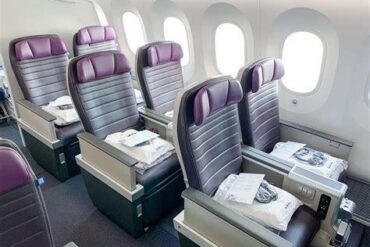
For passengers, the experience could feel closer to a regional business class cabin rather than a traditional economy section. Travelers will receive more space while still sitting in the same basic seat design used throughout the aircraft’s economy cabin. This creates a middle ground between regular economy and a fully upgraded premium product.
United Executive Vice President and Chief Commercial Officer Andrew Nocella highlighted the importance of the aircraft’s passenger experience, explaining that the A321XLR will introduce all-aisle-access lie-flat seating in United Polaris while also adding more comfortable Economy Plus seating options.
The decision also reflects changing airline strategies. Instead of adding a completely separate premium cabin, carriers are increasingly exploring flexible seating products that allow them to increase revenue from passengers willing to pay for additional comfort.
A European Business Class Idea Reaches the United States
Although United presents the blocked middle seat as a new concept, the arrangement has existed for decades in European short-haul business class cabins. Airlines including major European network carriers commonly use economy seats with blocked middle seats to create business class sections on aircraft such as the Airbus A320 family and Boeing 737.
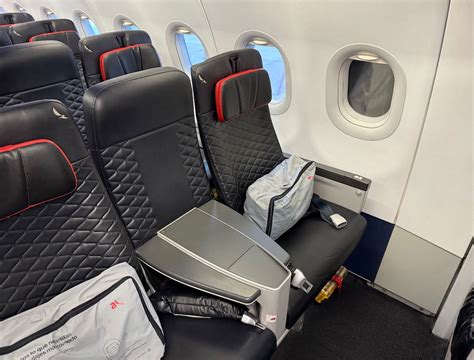
The European approach differs from North American domestic first class, where passengers typically receive larger recliner seats with significantly more space. European business class often keeps the same physical seat structure as economy but improves the experience through additional space, better service, lounge access, and flexible seating arrangements.
United’s version follows this philosophy by focusing on space efficiency. The aircraft can maintain operational flexibility while offering a more attractive product for passengers traveling longer routes where extra comfort becomes increasingly valuable.
The Hidden Operational Benefit Behind the Seating Decision
Beyond passenger comfort, the new Economy Plus configuration also appears to support United’s operational goals. Reports surrounding the aircraft’s development suggested that the airline planned to limit the A321XLR’s capacity to approximately 150 seats by blocking certain seating areas.
This capacity decision could reduce staffing requirements. Under airline regulations, aircraft with higher passenger capacity may require additional flight attendants. By controlling the number of available seats, United may be able to operate the aircraft with fewer crew members, reducing costs while maintaining a premium image.
This demonstrates how modern airline cabins are designed around multiple priorities. Seating layouts are no longer only about passenger comfort; they also influence labor costs, revenue management, aircraft efficiency, and route profitability.
Airbus A321XLR Could Transform Long-Range Narrow-Body Travel
The Airbus A321XLR is one of the most important aircraft developments for airlines seeking new international opportunities. Its extended range allows carriers to operate thinner long-distance routes that may not justify larger wide-body aircraft.
United’s A321XLR fleet will allow the airline to explore additional transatlantic and long-range markets while maintaining lower operating costs compared with larger aircraft. The combination of lie-flat Polaris seats, enhanced Economy Plus options, and efficient narrow-body economics creates a flexible platform for future expansion.
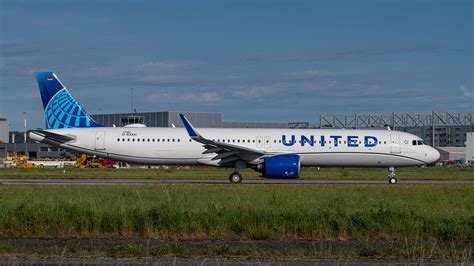
The first United A321XLR aircraft entered the company’s fleet after completing delivery flights from Airbus facilities in Hamburg. The aircraft represents a new generation of airline design where premium experiences are increasingly built through creative cabin arrangements rather than traditional class divisions.
A New Direction for Economy Plus
United’s blocked middle-seat Economy Plus product may not be entirely revolutionary worldwide, but it represents a significant change for the U.S. airline market. American travelers have historically viewed premium seating through the lens of larger first-class seats, making this European-inspired approach a different interpretation of comfort.
By offering more personal space at a lower price point, United is targeting passengers who want a better journey without paying for a full premium cabin. Whether travelers consider it a genuine innovation or a renamed European business class concept, the product reflects a broader industry shift toward flexible, customized air travel experiences.