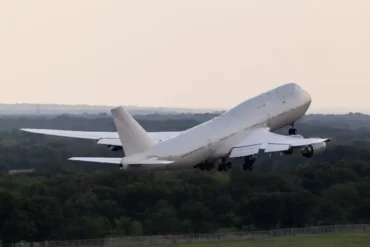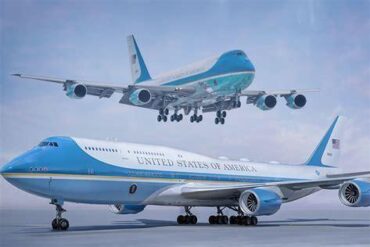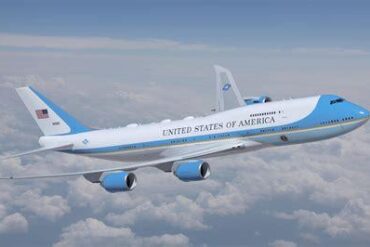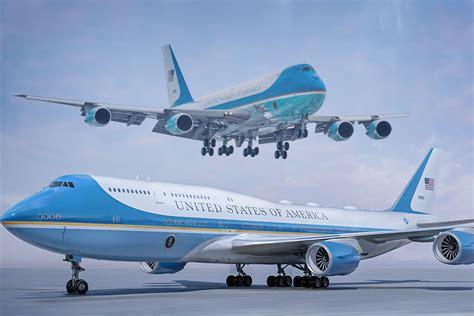
The United States presidency has long been symbolized by the legendary aircraft known as Air Force One—a flying command center, a fortress in the skies, and an emblem of American power. But a stunning geopolitical twist has introduced a new player into the narrative: a luxurious Boeing 747-8 gifted by the Qatari government, sparking both fascination and controversy. As Donald Trump returns to the White House, this aircraft is now being considered for conversion into the next Air Force One. The implications are far-reaching, not just in diplomacy and defense, but in symbolism, engineering, and opulence.
A History Etched in Flight: The Origins of Air Force One
The story of Air Force One began out of necessity. In 1954, a near-miss in air traffic control between President Eisenhower’s plane and a commercial airliner led to the creation of the distinct call sign “Air Force One.” This was more than just a name—it became a brand of authority in the air. It wasn’t until 1962, under President John F. Kennedy, that a specially commissioned aircraft was officially delivered: the VC-137C with tail number 26000, the first true Air Force One. Since then, the aircraft has evolved not only technologically but also culturally, appearing in films, books, and the collective American consciousness.
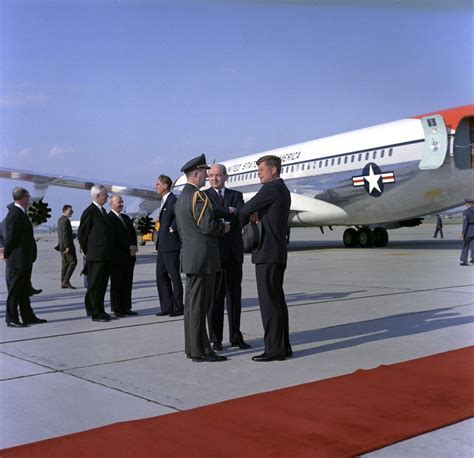
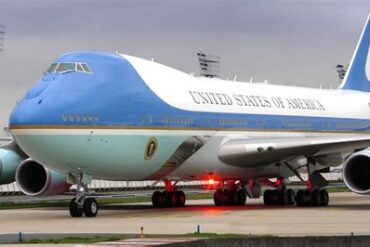
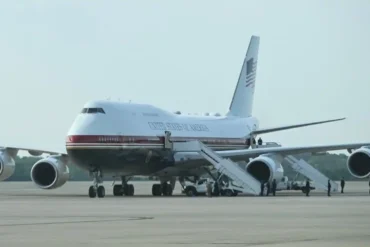
By the 1990s, the fleet upgraded to the Boeing 747-200B, aircraft tail numbers 28000 and 29000. These planes have served six presidents, offering secure communications, defense systems, and unmatched air mobility. After the 9/11 attacks, President George W. Bush spent eight critical hours aboard Air Force One, affirming its role as a mobile White House and secure operations base.
Technical Supremacy: The Boeing 747-200B That Rules the Skies
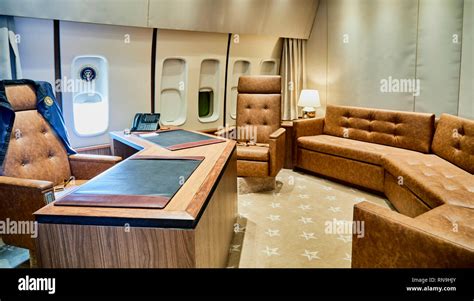
The current Air Force One isn’t merely a means of transportation. It’s a 3-level, 4,000-square-foot airborne command post capable of keeping the U.S. government functioning in any crisis. Designed for indefinite range through mid-air refueling, this aircraft is equipped with cutting-edge secure communication systems, multiple frequencies, satellite uplinks, and telecom gear that allows the President to address the nation mid-flight.
Within the jet lies a presidential suite outfitted with a private office, a conference room, and an expansive lavatory. There’s a fully stocked medical suite, complete with an operating table and a doctor on call for every flight. Accommodations also extend to senior staff, Secret Service, and press corps.
Gastronomy isn’t overlooked. The aircraft boasts full galleys, a chef, sous chef, and bartender, capable of serving up to 100 passengers. But such power comes at a cost. Operating expenses reach an estimated $180,000 to $200,000 per hour, covering fuel, maintenance, staff, and security.
A Royal Inheritance: The Qatari Boeing 747-8 and Its Origins
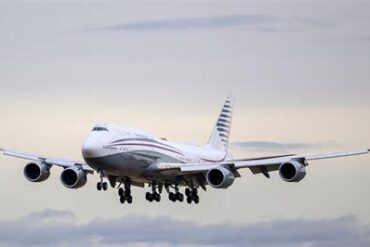
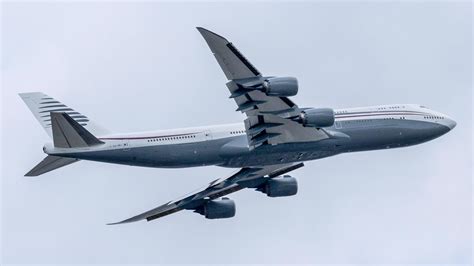
Enter the Boeing 747-8, originally commissioned by the Qatari royal family and now gifted to the U.S. government. Delivered in 2012 and refurbished by 2015, this aircraft is a marvel of contemporary engineering and Middle Eastern luxury. With an imposing length of 250 feet and a wingspan of 224 feet, it is the longest passenger aircraft in the world.
The jet, which cost nearly USD 400 million, can cruise at Mach 0.86 (656 mph) and fly over 8,000 nautical miles in a single trip. While it does not support mid-air refueling, its extended range and modern structure offer a superior flight experience. In terms of capacity, it seats 103 passengers, slightly outpacing Air Force One’s 101.
Opulence Redefined: Inside the “Flying Palace”
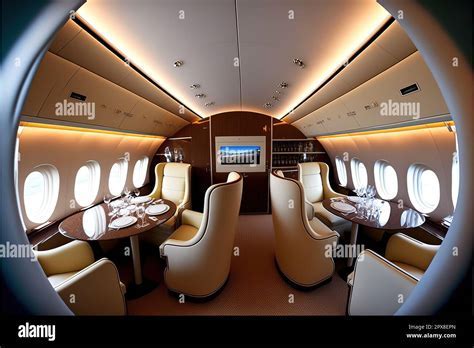
Designed by the famed Alberto Pinto Cabinet, the Qatari 747-8 is a masterstroke of extravagance. Cream-hued interiors, rich leather furnishings, and touchscreen lighting controls transform this jet into a literal palace in the sky. The aircraft features:
- A master suite with a king-size bed
- A guest bedroom
- Nine lavatories
- Five full kitchens
- Private office space
- Elegant state lounges and dining rooms in dual business-class zones
Where Air Force One is military functionality fused with presidential formality, the Qatari jet is a floating embassy of luxury, more akin to a monarch’s throne than a head of state’s command center.
Controversy in the Skies: A Political and Strategic Storm
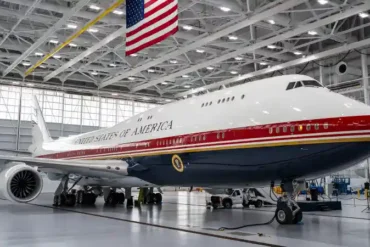
On May 21, the U.S. Secretary of Defense officially accepted the Qatari jet, initiating plans to convert it into the new Air Force One. This sparked immediate political outrage. Senate Majority Leader Chuck Schumer decried the acceptance as “the largest bribe from a foreign government in American history.”
The concern? Influence and optics. While gifting military-grade aircraft is not inherently illegal, the symbolic ramifications are enormous. Qatar, an oil-rich monarchy with a complex diplomatic history with the U.S., is now tied—visibly and indelibly—to the Presidential aircraft.
The Pentagon insists the conversion process will include rigorous retrofitting to match national defense standards, but the cost is projected to exceed USD 1 billion. Even before entering service, the jet is a lightning rod for criticism and an emblem of Trump’s audacious political style.

Strategic Strength vs. Prestige Power: Key Differences
While both jets belong to the same iconic Boeing family, they reflect two distinct philosophies:
Air Force One (747-200B):
- Military-first design with global defense in mind
- Secure comms, EMP protection, and mid-air refueling
- Prioritizes durability and function over form
Qatari 747-8:
- Built for luxury, aesthetics, and diplomacy
- More modern, more spacious, but not designed for battle-readiness
- May require deep structural changes to meet security protocols
If integrated as the new Air Force One, the Qatari jet will need a complete overhaul—armoring, hardened avionics, missile defense, and more. The process could delay operational readiness for years, leaving critics questioning the strategic trade-off.
Trump’s Vision and the Path Forward
President Trump has long critiqued the older 747-200Bs as sluggish and outdated. In 2018, he negotiated a USD 3.9 billion deal with Boeing to deliver two new Air Force One planes by 2027. However, the Qatar jet’s emergence may offer a shortcut—with prestige. Trump’s affinity for grandiosity aligns with the jet’s flamboyant interior. But can grandeur replace American engineering rigor?
The aircraft’s transformation into a battle-ready, secure, and fully functional flying White House will determine whether this gesture of royal generosity becomes a beacon of modern U.S. power or a diplomatic liability cloaked in luxury.
Conclusion: Wings of Power or Weight of Politics?
In the end, the question isn’t merely which aircraft is better—it’s what Air Force One should represent. A flying palace designed for a monarch or a fortified aircraft that mirrors the gravitas and operational readiness of the Commander-in-Chief? The U.S. now stands at the crossroads of symbolism and strategy, caught between the allure of opulence and the demands of security.
What’s clear is that the skies above the White House are changing. And with them, perhaps, the very nature of presidential power in flight.