A Presidential Icon in Transition: Why Air Force One Must Evolve
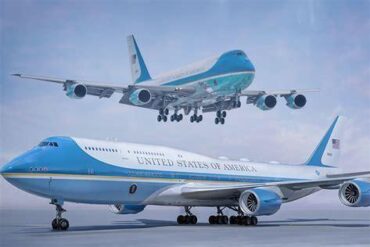
The aircraft that bear the Air Force One callsign are more than planes—they are symbols of American power, mobility, and global presence. For over three decades, the President of the United States has flown aboard two highly customized Boeing VC-25As, derived from the 747-200B platform. These aircraft, while iconic, are now relics of a bygone aviation era. Aging systems, costly maintenance, and outdated capabilities have made their replacement a matter of national priority.
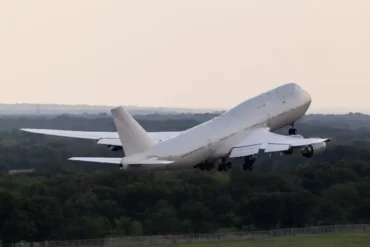
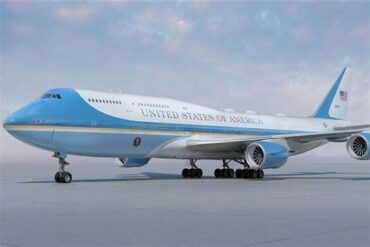
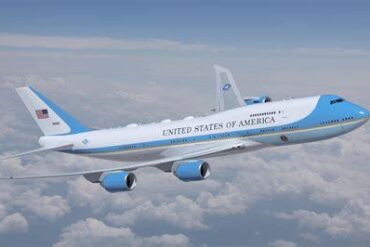
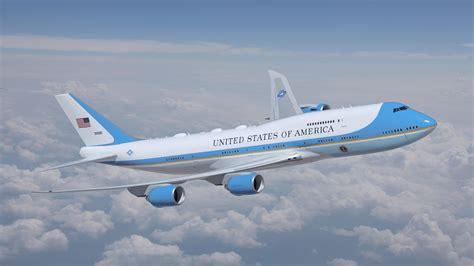
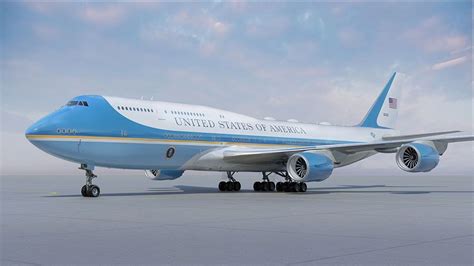
Enter the Boeing 747-8, the newest and largest version of the legendary jumbo jet. In 2015, the U.S. Air Force selected the 747-8 to become the next generation of Air Force One, designated VC-25B. A decade later, the replacement program has become mired in delays, cost overruns, and technical challenges, pushing its delivery back from 2024 to potentially as late as 2029.
The Path to the VC-25B: A Bumpy Ride
When the VC-25B program was announced, the vision was clear: a cutting-edge flying command center, capable of supporting the President in both routine diplomacy and national emergencies. However, the execution has been anything but smooth. In 2017, rather than build new jets from scratch, the Trump administration opted to repurpose two undelivered Boeing 747-8 Intercontinentals originally built for Russia’s now-defunct Transaero Airlines. These aircraft, Line Numbers 1519 and 1523, were flown from storage in Victorville to Boeing’s San Antonio facility in 2019.
The gamble was that this would save money and time. It hasn’t. The complexity of retrofitting these airframes with the advanced capabilities demanded by the Air Force has proven immense. Boeing is now facing more than $2 billion in cost overruns on top of the original $3.9 billion price tag.
Massive Upgrades, Monumental Challenges
Transforming a commercial 747-8 into a secure, military-grade executive aircraft requires far more than a luxurious interior. The VC-25B is expected to include:
- Advanced communications systems for secure video conferencing and global satellite links
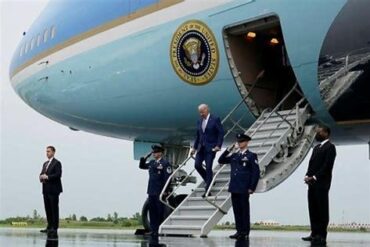
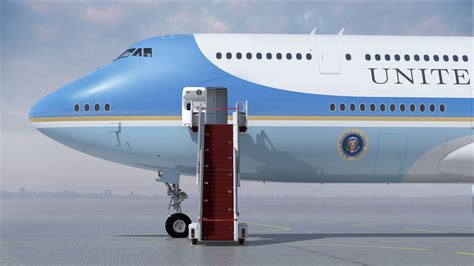
- Self-contained baggage loaders and two new air stairs for independent boarding
- Specialized offices, including a full medical suite and Presidential stateroom
- Reinforced fuselage and electronic countermeasures like radar warning receivers and laser jamming systems
Boeing’s efforts have been complicated by ongoing supply chain disruptions, a chronic shortage of security-cleared personnel, and setbacks in rewiring the aircraft. The wiring alone spans more than 200 miles (322 kilometers) and is critical for nearly every onboard function. Boeing also severed ties with GDC Technics, the original contractor responsible for the aircraft’s high-security interiors, due to delays.
Staffing, Security, and the 2027 Deadline
The latest development is a cautious optimism: delivery of the first VC-25B may still be possible by 2027, with the second to follow in 2028. This follows a strategic compromise by the Air Force, which is now easing some security restrictions for workers on non-sensitive components of the project. Previously, every employee had to maintain top-level security clearance—an impractical burden given the workforce shortages in aerospace.
This leniency is not without concern. Critics argue that compromising on security protocols, even temporarily, could risk long-term system integrity. Yet the alternative—further delays in replacing the increasingly unreliable VC-25As—is equally unacceptable.
Technical Specifications: Old Meets New
To appreciate the scale of the transition, consider the leap in aircraft performance and architecture:
| Feature | Boeing VC-25A (747-200B) | Boeing VC-25B (747-8i) |
|---|---|---|
| Length | 231 ft 10 in | 250 ft 2 in |
| Wingspan | 195 ft 8 in | 224 ft 7 in |
| Engines | GE CF6 / JT9D | GE GEnx-2B67 |
| Range | 6,560 NM | 7,730 NM |
| MTOW | 377.8T | 447.7T |
| Production Years | 1971–1991 | 2008–2023 |
Beyond size and performance, the VC-25B will abandon aerial refueling capability, which was never utilized on the VC-25A. However, its extended range and improved fuel efficiency mean it can complete nearly all global missions without this feature.
Political Pressure and the Qatari Detour
Amid Boeing’s struggle to meet deadlines, a wildcard has entered the narrative: P4-HBJ, a former Qatari Boeing 747-8, has been formally accepted by the United States as of May 2025. The aircraft was originally built for Qatar’s Amiri Flight and later registered with Global Jet Isle of Man.
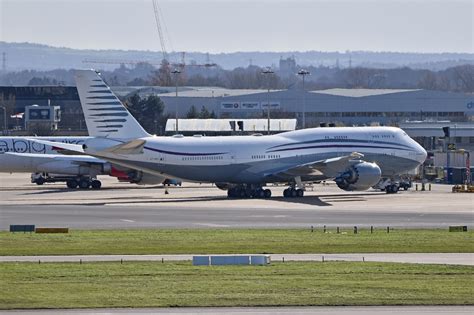
President Trump, frustrated with the VC-25B delays, floated the idea of fast-tracking this executive aircraft into service as an interim Air Force One. In theory, this seems viable. In practice, it’s fraught with complications. The aircraft would need significant modifications to meet even the minimum standards of presidential travel. These would include upgrading its communications systems, enhancing electronic protections, and reconfiguring the interior.
Given the high costs and tight timelines, this interim option would almost certainly be limited to domestic or non-sensitive missions, potentially sharing duties with the Boeing C-32 fleet, based on the 757.
Strategic Setbacks and Symbolic Significance
The VC-25B program is not just about new jets; it’s about reimagining how America projects its executive power. The current delays have reignited a broader debate about defense spending, contractor accountability, and the role of private sector partnerships in military aviation.
A 2024 Government Accountability Office report cited ongoing issues with the environmental control system, which is struggling to maintain the strict noise and air quality requirements needed for in-flight executive functions. Coupled with the already monumental wiring challenge and workforce constraints, the entire program reveals the complexity of building something truly unique.
Yet there’s also a national symbolism at play. When Air Force One appears on the horizon, it’s more than an aircraft—it’s the United States in physical form. The Boeing VC-25B, when it finally enters service, will continue that tradition with a blend of advanced aerospace technology and executive functionality unmatched anywhere in the world.
Looking Forward: A 21st Century Flagship
Despite the frustration, the VC-25B remains a marvel in the making. By the time it enters service—now most likely between 2027 and 2029—it will be a fully customized platform for secure command, control, and transport of the Commander-in-Chief. The twin aircraft will be capable of executing high-security missions across the globe, replacing the increasingly fragile VC-25As.
While costs have ballooned and timelines slipped, the result will be a new presidential aircraft with enhanced range, improved systems integration, and a cabin suited to modern global leadership. In many ways, the difficulties in getting there are a reflection of what it takes to build something with no precedent.
For all its setbacks, the VC-25B program underscores one central truth: the job of protecting the President does not come cheaply—or easily. When these aircraft finally enter the skies, they will do so not just as tools of transport, but as unmistakable symbols of American resilience, technology, and global leadership.