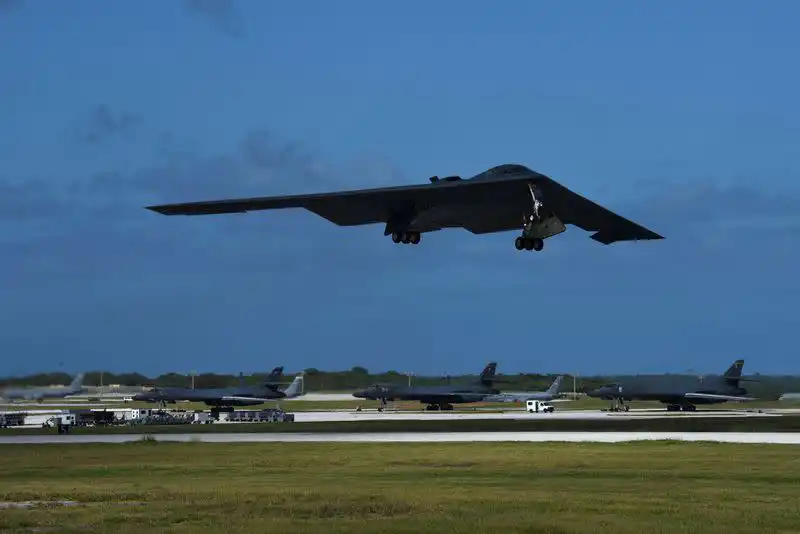
Before taking to the skies in one of the most formidable and secretive aircraft ever built, B-2 Spirit stealth bomber crews undergo a preparation process that is as intense as the mission itself. For these elite pilots, mission success depends not only on technology but also on nutrition, sleep science, and meticulous mental conditioning that begins weeks before launch.
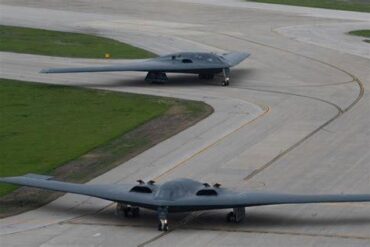
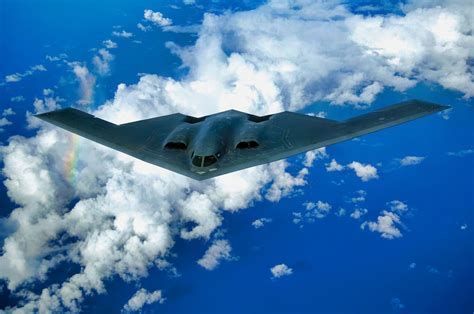
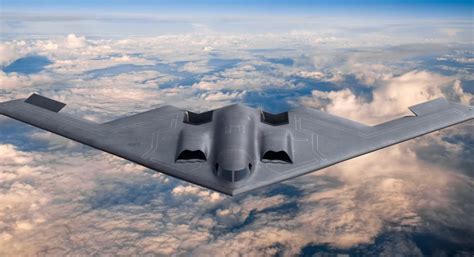
The B-2 Spirit, a $2 billion flying wing developed by Northrop Grumman, has long been the cornerstone of America’s long-range, strategic strike capabilities. With its radar-evading profile, the aircraft played a central role in the recent strikes on Iran’s nuclear infrastructure, reinforcing its reputation as a symbol of airborne stealth and precision. But beneath the sleek surface of military might lies an overlooked yet critical component: the human factor.
The Physical and Mental Toll of 40-Hour Missions
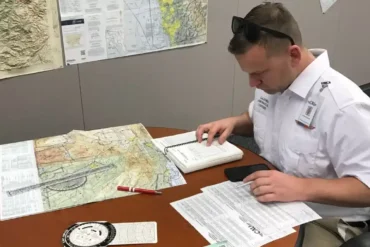
Flying the B-2 Spirit is not a job for the faint-hearted. Missions frequently exceed 40 continuous hours, placing extraordinary physical and psychological demands on the two-person crew. “We go through sleep studies, we actually go through nutritional education to teach each one of us what wakes us up and what helps us go to sleep,” explained retired Lt. Gen. Steve Basham, a veteran B-2 pilot with nearly a decade of operational experience.
Basham, who served as Deputy Commander of U.S. European Command until his retirement in 2024, emphasizes that preparing for these missions is an exercise in controlled endurance. Understanding how food affects digestion, cognitive performance, and sleep cycles is crucial—especially given the aircraft’s singular chemical toilet and confined cockpit environment.
For Basham, the preferred inflight meal is deceptively simple: turkey sandwiches on wheat bread, hold the cheese. “As bland as you possibly can,” he quipped, underscoring the need for easily digestible, non-irritating sustenance during multi-day sorties.
The Stealth Machine: Engineering Meets Human Stamina
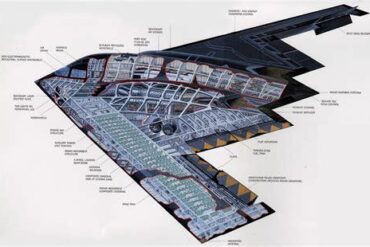
With a wingspan of 172 feet (52.4 meters) and its iconic stealth silhouette, the B-2 Spirit can cover 6,000 nautical miles without refueling. However, intercontinental operations invariably require several mid-air refuelings—a task made exponentially harder as fatigue accumulates.
Refueling a B-2 is unlike typical aircraft operations. Pilots cannot see the refueling boom extending from the tanker just 16 feet behind their heads. Instead, they rely on memorized visual cues and faint light signals from the tanker. During moonless nights or poor visibility conditions, this delicate operation becomes, in Basham’s words, “inherently dangerous.”
“Adrenaline kept you going before you went into country,” Basham recalled, referring to entering hostile airspace. “But the adrenaline goes away. You try to get a little rest, and you still have that one last refueling to manage.”
The B-2’s cockpit features a modest area behind the seats where one pilot can rest on a cot while the other remains on duty. To stay alert, many pilots turn to simple tricks—sunflower seeds being a common choice to fight off fatigue between scheduled meals.
Despite the aircraft’s cutting-edge stealth technology, which reduces infrared, radar, and acoustic signatures, the ultimate success of a B-2 mission still hinges on human stamina, coordination, and training.
The Evolution of Stealth: From Kosovo to the Skies Over Iran
The B-2 Spirit’s first operational appearance was during Operation Allied Force in 1999, when it flew 31-hour round trips from Missouri to strike targets in Kosovo. Within the first eight weeks of the campaign, B-2s were responsible for delivering 33% of all bombs dropped, highlighting their strategic value.
During operations in Iraq, B-2 bombers dropped over 1.5 million pounds of munitions across 49 sorties, cementing their role as the backbone of America’s long-range strike force.
Originally debuting in 1989, the B-2’s fly-by-wire system, which relies entirely on computer inputs for flight control, has evolved significantly. Early software versions struggled with lag, particularly during high-precision tasks like aerial refueling. Continuous updates have improved the aircraft’s responsiveness, though the task of maintaining tight formation at high altitude remains a formidable challenge.
Precision Requires More Than Technology: The Human Cost
The B-2’s crew of two contrasts sharply with older bombers like the B-1B Lancer and B-52 Stratofortress, which require larger flight teams. This minimalist approach maximizes stealth but places greater responsibility on each crew member.
Operating a stealth bomber also comes with significant financial considerations. The B-2 costs approximately $65,000 per hour to operate, according to Pentagon data, compared to $60,000 per hour for the B-1B. While expensive, the unmatched stealth and precision strike capability justify the B-2’s operational price tag, especially for missions deep into adversary territory.
The Next Generation: Enter the B-21 Raider
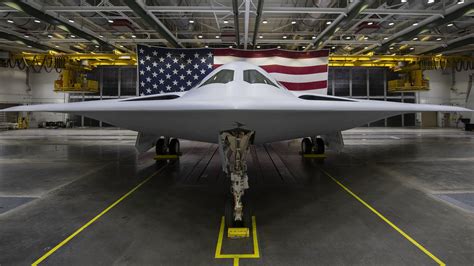
The U.S. Air Force plans to transition from the B-2 and B-1 fleets to at least 100 B-21 Raider stealth bombers in the coming decades. Designed with improved stealth, endurance, and versatility, the B-21 is expected to enhance America’s global strike capabilities while addressing some of the logistical and human challenges inherent to the current B-2 platform.
But until the B-21 fully replaces its predecessor, the B-2 Spirit remains an indispensable asset for high-stakes missions. Whether it’s strikes against hardened targets or demonstrating strategic reach, its effectiveness relies as much on meticulous human preparation as it does on stealth technology.
Beyond the Cockpit: Planners, Maintainers, and Mission Success
“Our pilots make it look easy, but it’s far from easy,” Basham emphasized. Behind every successful B-2 mission is a vast global infrastructure of planners, technicians, and maintainers ensuring the aircraft is ready for the skies. The preparation process encompasses not only flight planning but also complex logistical support across multiple continents.
From dietitians advising pilots on optimal pre-flight meals to sleep specialists helping crews navigate circadian disruptions, every detail contributes to mission readiness. The interdependence of machine and human performance is stark—failures in either realm can jeopardize multi-billion-dollar operations.
In the end, something as simple as a turkey sandwich on wheat bread, paired with sleep management and strategic mental preparation, can mean the difference between mission success and failure. As geopolitical tensions escalate and stealth aircraft continue to spearhead strategic strikes, the quiet rituals of preparation inside the B-2 cockpit remain one of the most crucial—yet least visible—elements of modern military power.