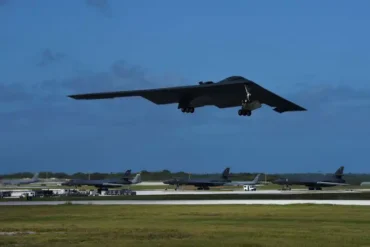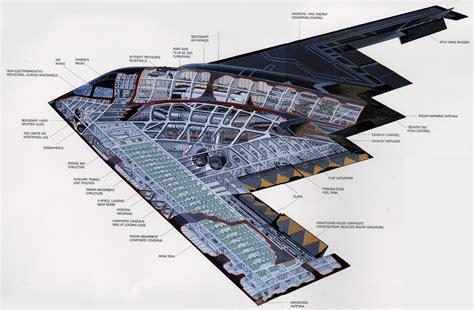
The Northrop Grumman B-2 Spirit is engineered to do what few aircraft can: cross continents unseen, deliver a decisive payload, and return home without landing. With aerial refueling extending its reach indefinitely, a single mission can stretch beyond 30 continuous hours. The aircraft’s stealth and systems draw awe, but the quieter marvel sits in the cockpit—the human strategy that keeps two pilots functional when the body insists it should be asleep.
Every B-2 mission is a choreography of technology and physiology. The bomber is flown by a two-person crew, and there is no relief pilot waiting in the wings. While the jet can sip fuel midair and keep going, the pilots must manage attention, reaction time, and judgment under relentless fatigue. The solution is not traditional sleep; it’s a carefully engineered compromise that blends planning, discipline, and short, strategic rest.
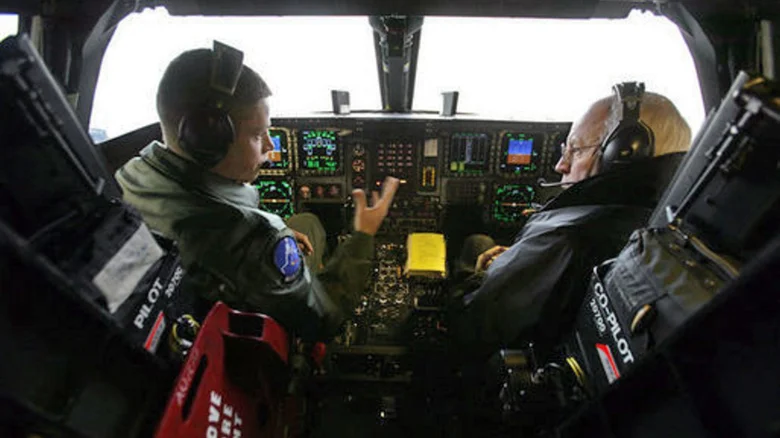
Space inside the B-2 is precious. The aircraft can carry more than 40,000 pounds of ordnance, and nearly all internal volume serves mission systems rather than comfort. The cockpit is compact, but just behind the seats is a narrow six-foot rest area where one pilot can stretch out while the other flies. It’s austere, dim, and functional—exactly what the mission demands.
Sleeping in Shifts at 30,000 Feet
B-2 pilots sleep in short, scheduled naps, usually lasting one to two hours. These rest periods are never improvised. They are aligned with quieter phases of the mission, well clear of aerial refueling brackets, navigation updates, and weapons employment windows. One pilot rests while the other remains fully alert, maintaining control of the aircraft and monitoring systems.
This approach borrows from fatigue science rather than comfort. Short naps can restore alertness and stabilize cognitive performance without pushing the body into deep sleep stages that cause grogginess. At altitude, with constant engine noise and a pressurized cabin, deep sleep is unrealistic anyway. The goal is functional recovery, not luxury.
Circadian Rhythm Engineering Before Takeoff
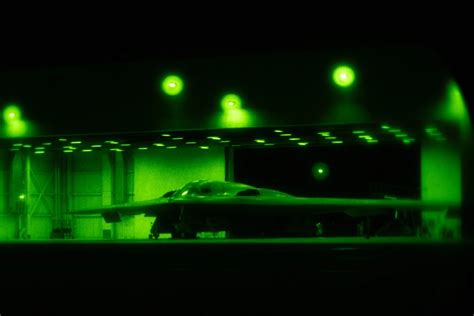
The real preparation begins days before the bomber ever leaves Whiteman Air Force Base. Flight surgeons from the 509th Medical Group work closely with aircrews to manipulate circadian rhythms—the internal clock that governs sleep and alertness. Pilots shift sleep schedules, adjust light exposure, and even modify diet to align their peak alertness with mission timing.
In some cases, physicians may authorize alertness-enhancing or sleep-promoting medications, used sparingly and under strict protocols. These are not crutches; they are precision tools, deployed only when the mission profile demands an extra margin of focus. The emphasis is always on predictability and safety.
Training the Mind for Extreme Endurance
B-2 pilots are trained to recognize the subtle signs of cognitive fatigue—tunnel vision, slowed decision-making, and emotional flattening. This self-awareness is critical. The crew continuously cross-checks each other, verbalizing actions and confirming decisions to prevent silent errors. The cockpit culture rewards clarity over bravado.
Veteran pilots describe the experience as managed monotony punctuated by moments of intense precision. Long stretches of cruise demand vigilance without stimulation, while refueling or weapons employment requires flawless execution. Naps are timed to ensure both pilots are sharp when the stakes peak.
Landing, Debriefing, and Recovery
After landing, the mission isn’t truly over. Crews conduct a detailed post-flight debrief, reviewing systems performance and mission execution while events are still fresh. Only then do they finally stand down and allow the body to reclaim uninterrupted sleep. Recovery can take days, a reminder that even the most advanced aircraft still depend on human limits.
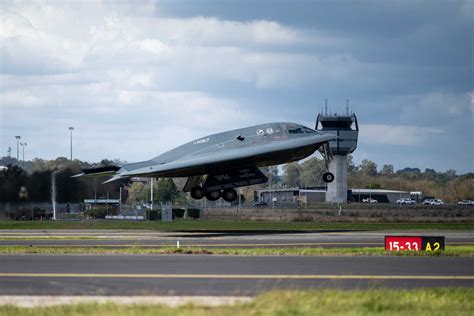
The way B-2 bomber crews sleep is not a flaw in design but a testament to human adaptability. At 30,000 feet, stealth is silent, systems hum, and one pilot rests while the other watches the world slide by unseen. It’s a balance of biology and discipline, proving that even in the most futuristic aircraft ever built, success still hinges on the careful management of a very human need.