Miami is approaching a pivotal moment in its aviation evolution, as mounting pressure on Miami International Airport (MIA) accelerates plans for a potential second major airport hub. Despite a sweeping $9 billion modernization program, officials are acknowledging a hard reality: expansion alone may not be enough to keep pace with surging demand in one of the United States’ fastest-growing international gateways.
MIA Capacity Limits Push Strategic Expansion Discussions
The urgency stems from a critical threshold. MIA is currently operating at roughly 80% of its airfield capacity, a level where the Federal Aviation Administration typically recommends infrastructure expansion to prevent systemic delays. Without decisive action, Miami risks slipping into the same congestion patterns seen at major hubs like New York JFK and LaGuardia, where growth has outpaced infrastructure.
This looming bottleneck is not theoretical. MIA already handles a vast operational footprint, serving more than 80 airlines and connecting passengers to over 150 global destinations. Its role as the leading gateway between the United States, Latin America, and the Caribbean makes it indispensable—and increasingly strained.
A Second Miami Airport: Ambitious but Complex
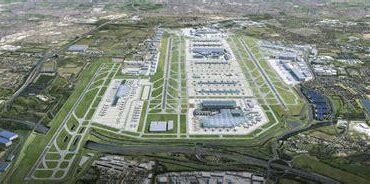
At the center of current discussions is the possibility of constructing a brand-new airport, a project that would redefine South Florida’s aviation landscape. However, the scale of such an undertaking is immense. Industry estimates suggest a timeline of 15 to 20 years before a new facility could become operational, factoring in planning, environmental approvals, land acquisition, and construction.
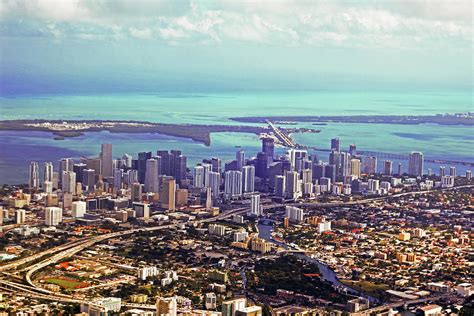
One of the biggest hurdles is identifying a viable greenfield site in a densely developed metropolitan area. Historical precedent offers a cautionary tale: Denver International Airport, the last major greenfield airport built in the U.S., faced significant cost overruns and delays. Miami officials are acutely aware that replicating such a project would require not only financial commitment but also political and community alignment.
Alternative Strategy: Upgrading Existing Airfields
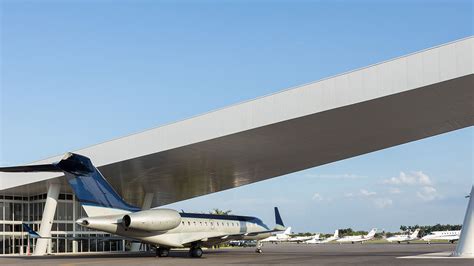
Recognizing the challenges of starting from scratch, Miami-Dade County is also evaluating more immediate solutions. Two existing facilities—Miami Executive Airport and Miami Homestead General Aviation Airport—have emerged as leading candidates for transformation into commercial passenger hubs.
Upgrading these airports could significantly shorten timelines, though not without trade-offs. Even under expedited scenarios, redevelopment would take an estimated 12 years, reflecting the complexity of converting general aviation infrastructure into full-scale commercial operations.
Miami Executive Airport offers proximity to the urban core, which could enhance accessibility for travelers. However, its location near residential neighborhoods raises concerns about noise, land use constraints, and community opposition. In contrast, Miami Homestead provides more physical space for expansion but introduces logistical challenges due to its distance from central Miami.
Inside the $9 Billion MIA Modernization Effort
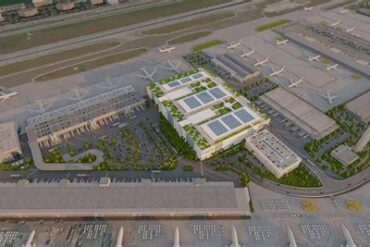
While discussions about a second airport intensify, MIA itself is undergoing a transformative overhaul. The ongoing multi-billion-dollar capital improvement program is designed to extend the airport’s lifespan and improve operational efficiency. Key projects include the development of Concourse K and enhancements to Concourse D60, both aimed at increasing passenger throughput.
Rather than expanding outward, MIA is focusing on vertical development, optimizing existing space to accommodate future growth. This strategy reflects the physical limitations of the airport’s location, which restrict traditional expansion methods.
Projections indicate that MIA could handle up to 77 million passengers annually by 2040, a substantial increase from current levels. However, even with these improvements, officials acknowledge that capacity gains will eventually plateau.
Airline Dominance and Traffic Growth Intensify Pressure
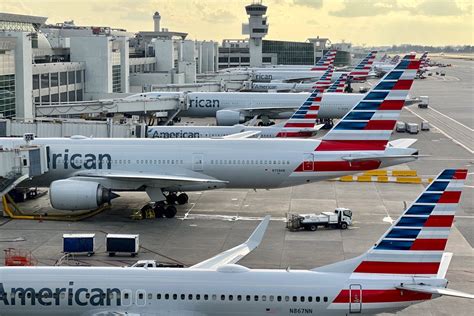
A significant factor in MIA’s congestion is the dominance of American Airlines, which controls more than 60% of the airport’s market share and operates approximately 400 daily departures. This concentration amplifies peak-hour congestion and limits operational flexibility.
At the same time, global travel demand continues to rise, particularly in routes connecting North America with Latin America. Miami’s strategic geographic position ensures that it will remain a critical hub—but also guarantees sustained pressure on its infrastructure.
Defining Miami’s Aviation Future
The decisions made in the coming months will carry generational consequences. Miami-Dade County officials have tasked leadership with developing a comprehensive funding strategy by mid-2026, a step that will determine whether the region pursues a new airport, upgrades existing facilities, or attempts to stretch MIA’s capacity even further.
Each option carries distinct risks and rewards. A new airport promises long-term scalability but demands patience and capital. Upgrading existing airfields offers a faster path but introduces operational and community challenges. Continuing to rely on MIA alone, even with upgrades, risks bottlenecking one of the nation’s most critical international gateways.
What is clear is that Miami can no longer rely on incremental solutions. As passenger volumes climb and global connectivity deepens, the region faces a defining choice: build for the future or risk being constrained by the present.