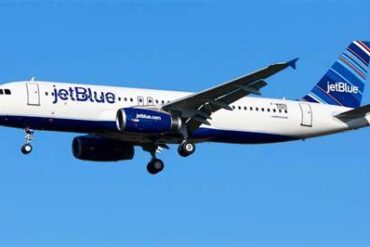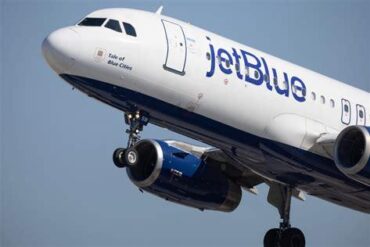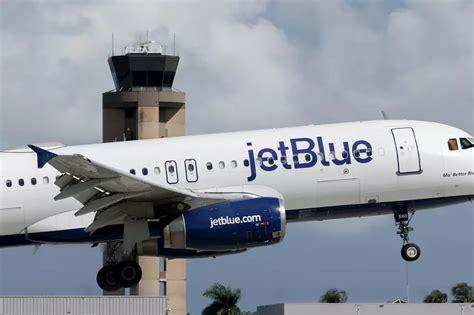
JetBlue Airways has officially ended service at Manchester-Boston Regional Airport (MHT), closing a brief but closely watched chapter that lasted just 18 months. The carrier operated its final departure, Flight B61143, on July 8, bringing an end to a service that began in January 2025 and had been welcomed as a significant milestone for New Hampshire travelers. While the airline’s presence was relatively short-lived, its departure leaves a noticeable gap for passengers who had embraced the convenience of flying from Manchester instead of navigating the congestion of larger airports. The decision also reflects the increasingly complex economics shaping the U.S. airline industry in 2026.
JetBlue’s withdrawal arrives at a particularly difficult moment for regional airports that depend on competitive low-cost carriers to stimulate passenger demand. With Spirit Airlines disappearing from the market following its liquidation and network collapse, many smaller airports have suddenly found themselves competing even harder for limited aircraft capacity. Manchester now finds itself facing the reality that attracting an airline is only half the battle; retaining service has become equally challenging in an industry defined by rising operating costs, fleet shortages, and strategic redeployment.
Airport officials had invested years of effort into convincing JetBlue to launch service. Its arrival represented one of Manchester’s most significant airline victories in decades, supported by financial incentives, extensive marketing campaigns, and promotional partnerships designed to establish long-term success. Expectations were high that the airline would gradually expand operations as passenger awareness increased and local demand matured.
Why JetBlue Chose to Leave Manchester
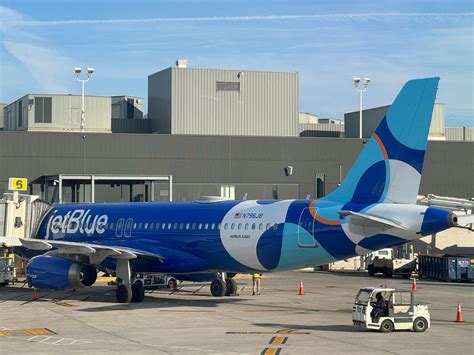
JetBlue’s departure was not primarily driven by weak customer demand. Instead, the airline chose to reallocate aircraft and crews to Fort Lauderdale-Hollywood International Airport (FLL) after additional gate capacity became available following Spirit Airlines’ withdrawal. Fort Lauderdale remains one of JetBlue’s most strategically important focus cities, offering significantly greater opportunities for network growth and revenue generation.
Manchester Airport Director Tom Malafronte acknowledged that the airline’s decision reflected broader financial realities rather than dissatisfaction with the local market. According to airport officials, JetBlue’s Orlando route maintained an average seat occupancy of approximately 82%, demonstrating that travelers were actively using the service. Although that figure may not rank among the airline’s strongest-performing routes, it illustrated consistent customer demand for nonstop Florida service.
During peak seasonal operations, JetBlue connected Manchester with three Florida destinations: Orlando International Airport (MCO), Fort Lauderdale-Hollywood International Airport (FLL), and Southwest Florida International Airport (RSW). Those routes provided valuable alternatives for both leisure travelers and families seeking nonstop access to popular vacation destinations without driving to Boston.
Loyal Customers Lose a Convenient Alternative
For many passengers across southern New Hampshire, JetBlue offered something more valuable than simply another airline—it provided freedom from the heavy traffic, parking challenges, and crowded terminals associated with Boston Logan International Airport (BOS). Manchester’s smaller size allowed travelers to arrive later, move through security more quickly, and enjoy a far less stressful airport experience.
Local traveler Julianne Woodring summarized the feelings shared by many customers, describing herself as “very disappointed” after learning the service would end. Like numerous residents, she appreciated having a nearby airport capable of offering competitive fares while avoiding the lengthy drive into Boston.
Some passengers are now considering alternative airports, including Burlington, Vermont, instead of returning to Boston for future flights. That shift illustrates how airline decisions can reshape regional travel patterns almost overnight. Losing JetBlue could reduce passenger traffic at Manchester while simultaneously increasing pressure on neighboring airports to capture displaced travelers.
Remaining Low-Cost Choices Become More Limited
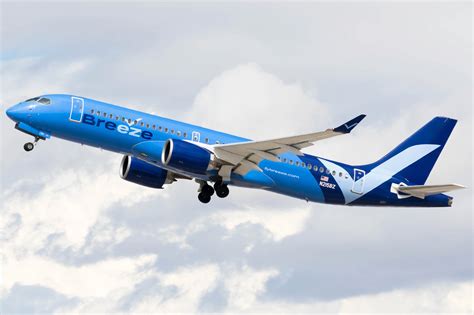
With JetBlue gone, Breeze Airways and Southwest Airlines remain the primary low-cost options serving Manchester. Both airlines have opportunities to attract former JetBlue customers, particularly travelers heading toward leisure destinations across Florida and other domestic markets.
Airport leadership has expressed optimism that existing airlines may expand their presence to absorb some of the displaced demand. Nevertheless, replacing JetBlue’s network will not happen immediately, especially as airlines across North America continue managing aircraft delivery delays and limited fleet availability.
The competitive landscape has changed dramatically since Spirit Airlines exited the market. Airlines are now concentrating available aircraft on routes capable of producing the highest financial returns rather than aggressively expanding into developing regional markets.
Industry Pressures Continue Reshaping Airline Networks
JetBlue’s Manchester exit reflects broader forces influencing airline strategy throughout 2026. Aircraft shortages remain a persistent challenge as manufacturers continue delivering new jets more slowly than anticipated. At the same time, higher fuel prices following geopolitical tensions have significantly increased airline operating expenses, making marginal routes more difficult to justify.
JetBlue has also continued adjusting its network following the collapse of its proposed merger with Spirit Airlines. The failed transaction left the carrier reassessing growth priorities while focusing resources on markets capable of delivering stronger yields and greater competitive advantages. Concentrating aircraft in Fort Lauderdale aligns with that strategy by strengthening the airline’s position within one of its most important operating bases.
Unlike larger legacy airlines such as United, American, and Delta Air Lines, low-cost carriers generally have less flexibility when responding to sudden cost increases. Every aircraft represents a valuable asset, and deploying those aircraft where they generate the greatest return often takes priority over maintaining service in smaller developing markets.
Manchester Faces Its Next Challenge
Although JetBlue’s departure represents a setback, Manchester-Boston Regional Airport retains a loyal customer base that values convenience over the scale of larger hubs. The airport has repeatedly demonstrated its ability to attract airlines through targeted partnerships and regional support, suggesting future opportunities remain possible if market conditions improve.
For travelers, however, the immediate reality is far less encouraging. Many will now face longer drives, fewer nonstop choices, or higher fares when planning Florida vacations and other domestic trips. Until another airline fills the gap, JetBlue’s exit stands as another example of how quickly changing industry economics can reshape regional aviation, leaving communities scrambling to preserve the connectivity they fought so hard to secure.