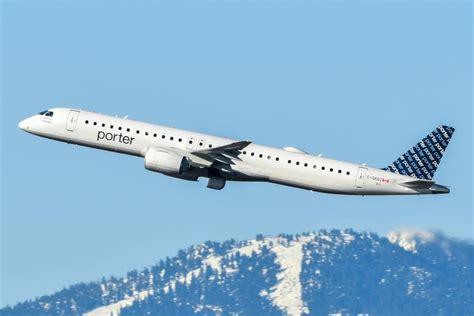
In the constantly shifting landscape of global airline alliances, Porter Airlines is positioning itself to fill a strategic gap in oneworld’s international network. While Star Alliance and SkyTeam have long enjoyed established relationships in Canada—Air Canada and WestJet, respectively—oneworld has lacked a presence in the Canadian market for over two decades. Now, with significant fleet upgrades, expanding partnerships, and an executive team vocal about alliance aspirations, Porter appears ready to elevate its role on the world aviation stage.
A Strategic Gap in the Canadian Market
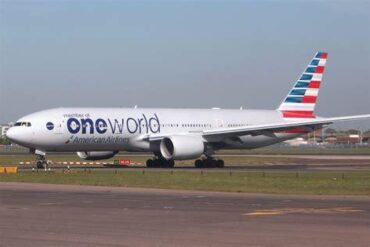
Canada, despite its sizable aviation market and global connections, has long been a white spot on the oneworld map. Air Canada’s deep-rooted presence in Star Alliance and WestJet’s growing ties to SkyTeam via Delta Air Lines and Korean Air have made it difficult for oneworld to gain a foothold north of the U.S. border. Recognizing this absence, oneworld has publicly stated its interest in identifying and filling such “white spaces.”
Kevin Jackson, President of Porter Airlines, has acknowledged the opportunity directly, stating that Porter would be the “obvious answer” if oneworld sought a Canadian member. This strategic clarity aligns with Porter’s deliberate moves in the past several years to position itself as a premium, well-connected carrier—one that could stand shoulder to shoulder with oneworld’s current members.
Porter’s Alliance-Ready Partnerships
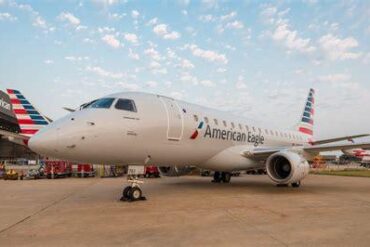
Over the past few years, Porter has expanded its codesharing and interline agreements, forging relationships with American Airlines, British Airways, Qatar Airways, Japan Airlines, and Fiji Airways—all existing members of oneworld. These partnerships provide critical connectivity benefits:
- Through American Airlines, Porter passengers can access domestic U.S. hubs such as Dallas/Fort Worth, Chicago O’Hare, and Charlotte, with AAdvantage miles available on co-branded routes.
- With British Airways and Qatar Airways, passengers gain seamless access to Europe and the Eastern Hemisphere via Toronto and Doha.
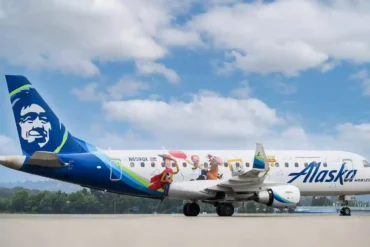
- Agreements with Alaska Airlines extend Porter’s reach along the U.S. West Coast, allowing passengers to redeem and earn points through VIPorter and Alaska’s Mileage Plan.
These bilateral arrangements mimic the operations of a full-fledged alliance in everything but name. They facilitate joint ticketing, baggage transfers, and loyalty recognition—paving the way for a smooth integration into oneworld.
Fleet Modernization: The Catalyst for Expansion
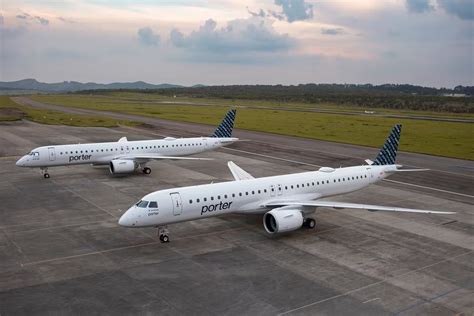
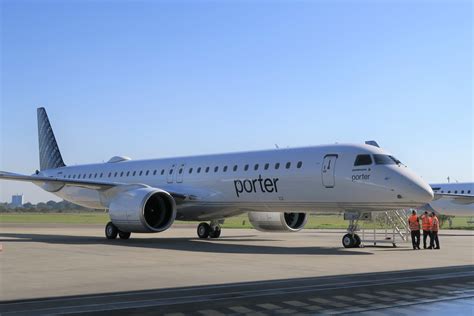
In 2023, Porter Airlines introduced 29 state-of-the-art Embraer E195-E2 jets, signaling a transformational shift from its traditional short-haul Dash 8 turboprops. These new aircraft offer greater range, increased passenger capacity, and a more premium onboard experience. Currently, Porter operates:
- 27 De Havilland Dash 8 aircraft, averaging 15.8 years in age
- 44 Embraer E2s, with five more on order and an average fleet age of just 2 years
The E2 aircraft allow Porter to service longer routes with higher demand, enabling connections to major U.S. and international gateways. Their entry into service is in tandem with expanded operations at Toronto Pearson and Billy Bishop Airport, both crucial hubs with strong alliance member ties.
Elevated Passenger Experience
Porter has aligned its onboard service model with the high standards associated with oneworld carriers. Enhancements include:
- Free high-speed Wi-Fi on all E2 aircraft
- Complimentary beer and wine served in glassware
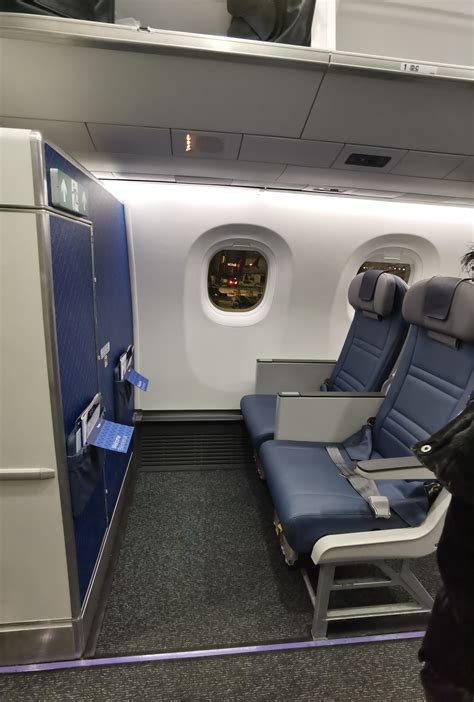
- Extra legroom and superior in-flight comfort
These amenities are consistent with oneworld’s positioning as a premium alliance, especially appealing to business travelers and elite frequent flyers seeking quality experiences across multiple carriers.
What Membership Would Mean for Travelers
Should Porter join oneworld, the implications for both the airline and its passengers would be immediate and extensive:
- Reciprocal loyalty benefits would allow VIPorter members to earn and redeem points across all 15 full oneworld members.
- Top-tier customers would gain access to over 600 oneworld lounges worldwide, along with premium services like priority boarding, extra baggage, and fast-track security.
- Canadian travelers from smaller cities would gain seamless, single-ticket itineraries to virtually any global destination served by oneworld.
The membership would not only boost Porter’s market position but also finally close a long-standing gap in the alliance’s North American network.
The Road to Membership: A Complex Process
Joining a global alliance is not instantaneous. Once oneworld extends a formal invitation, Porter would need to undergo a multi-phase audit, covering:
- IT and reservation systems integration
- Alignment of frequent flyer program standards
- Operational and service compatibility
This 12 to 24-month process would likely be supported by a sponsoring airline—American Airlines or British Airways being the most likely candidates. During this period, Porter would be expected to bring all technical and customer service touchpoints in line with oneworld standards.
Following certification, a formal joining ceremony is held, marking the airline’s official inclusion. Historically, such events signify the end of a rigorous integration effort and the beginning of a new chapter in the airline’s international journey.

Why WestJet Isn’t oneworld’s Future
Despite being a larger player in Canada, WestJet is an unlikely candidate for oneworld membership. The airline’s SkyTeam-aligned relationships and strategic equity investments by Delta, Air France-KLM, and Korean Air (owning a combined 25% stake) point clearly toward SkyTeam.
Moreover, WestJet’s overlapping routes with American Airlines and Alaska Airlines would create redundancy within oneworld. Kevin Jackson himself noted that “the partners that are available to us are clearly oneworld,” dismissing WestJet as a viable alternative. WestJet’s historical reluctance to join global alliances in favor of bilateral partnerships further reinforces its SkyTeam trajectory.
Flair Airlines and Air Transat lack the necessary fleet scope, international reach, and premium service levels to qualify as major alliance contenders, leaving Porter as the only realistic and strategically aligned Canadian option.
The Bigger Picture for oneworld
Porter’s potential inclusion is consistent with oneworld’s strategy to expand smartly, not just widely. Unlike Star Alliance’s sheer size or SkyTeam’s volume-driven model, oneworld seeks to cultivate a reputation for high-end service and exclusive network coverage. It emphasizes technology integration, loyalty program harmonization, and premium passenger experiences.
With recent additions like Alaska Airlines (2021), Oman Air (2024), and Fiji Airways’ promotion to full member status (2025), the alliance is consolidating its footprint in previously underserved regions.
Looking ahead, Hawaiian Airlines is slated to join in 2026, further strengthening oneworld’s transpacific presence. Porter would complement these efforts by finally granting the alliance access to the Canadian aviation market, which has remained elusive since Canadian Airlines exited the alliance after being acquired by Air Canada in 2000.
Final Approach: A Win for Everyone
Porter Airlines’ trajectory aligns almost perfectly with oneworld’s current and future ambitions. The fleet modernization, alliance-style partnerships, elevated service standards, and strategic hub developments all suggest a carrier that is ready for its place on the global stage. For oneworld, adding a Canadian member fills a critical gap and strengthens its position in North America’s competitive aviation ecosystem.
As the industry watches closely, the final decision hinges on alliance economics, member approvals, and Porter’s internal assessments. Yet, if all indicators hold true, the airline that started as a regional upstart at Toronto’s Billy Bishop Airport may soon wear the oneworld badge—connecting Canada to the world in a way that’s never been done before.