In the dynamic and often challenging landscape of European aviation, HiSky has rapidly emerged as a noteworthy low-cost carrier, carving out a significant presence in both Moldova and Romania. Established with a vision to enhance connectivity and provide affordable travel options, the airline’s journey from a nascent idea to an operator with intercontinental reach is a compelling narrative of ambition, resilience, and strategic growth. With dual headquarters and operating certificates, HiSky navigates the complexities of the European skies, continuously expanding its fleet and route network to meet the evolving demands of modern travelers.
The Genesis of HiSky: Ambition Takes Flight
HiSky was officially founded on 27 September 2019, a venture driven by a clear objective to introduce more competitive air travel options in Eastern Europe. At the helm of this ambitious project is Iulian Scorpan, the company’s Chief Executive Officer. Scorpan is not a newcomer to the aviation industry; his prior experience as a pilot for Air Moldova, the flag carrier of Moldova, provided him with invaluable insights into the regional market dynamics and operational intricacies. This background undoubtedly shaped the strategic direction of HiSky, aiming to fill perceived gaps in service and offer passengers greater choice. The airline’s initial conception was rooted in Chișinău, Moldova, with plans to establish its primary operational base at Chișinău International Airport. The vision was clear: to build a modern, efficient airline that could effectively compete by leveraging a low-cost operational model, thereby making air travel more accessible to a broader segment of the population in both Moldova and neighboring Romania. The initial planning phases involved meticulous market analysis, route feasibility studies, and the complex process of assembling the necessary resources, from personnel to foundational capital, to launch a new airline from the ground up.
Navigating Turbulence: Early Certification Hurdles
The path to launching an airline is rarely without its obstacles, and HiSky encountered significant challenges in its early days, particularly concerning its Air Operator’s Certificate (AOC) in Moldova. In February 2020, the Moldovan Civil Aviation Authority (CAA) publicly stated that HiSky had not yet been granted the crucial AOC. This delay was attributed to irregularities identified during the rigorous certification process. The authorities launched an investigation to scrutinize these issues further, casting a shadow of uncertainty over the airline’s proposed launch timeline. One of the specific concerns highlighted by the Moldovan CAA was related to the airline’s intended wet-lease operator, Cobrex Trans. This airline was slated to operate Airbus A320 aircraft on behalf of HiSky, but at the time of the review, Cobrex Trans reportedly did not yet have this specific aircraft type integrated into its own fleet and operational approvals. This discrepancy became a focal point of the certification review, underscoring the stringent regulatory requirements that new airlines must meet to ensure safety and operational integrity. As of May 12, 2020, the Civil Aviation Authority of the Republic of Moldova confirmed that HiSky was still not licensed for commercial operations. Despite these regulatory hurdles, HiSky demonstrated its determination by actively offering tickets for flights originating from Chișinău on its website, signaling its confidence in eventually overcoming these challenges. The airline had, at this point, announced ambitious plans to commence flights in July 2020, intending to use two Airbus A320 family aircraft sourced from the reputable Air Lease Corporation. However, the global onset of the COVID-19 pandemic introduced an unprecedented layer of complexity, forcing HiSky to repeatedly delay its inaugural flights and revise its operational schedule. The widespread travel restrictions and sharp decline in passenger demand created an incredibly difficult environment for any airline, let alone a startup. By September 18, 2020, the continued impact of the pandemic led HiSky to remove its planned flight schedule entirely, a move reflecting the severe disruption affecting the global aviation industry.
Achieving Liftoff: Securing Operator Certificates and Inaugural Flights
Despite the considerable setbacks, the perseverance of the HiSky team eventually paid off. A significant breakthrough occurred on December 11, 2020, when the airline successfully obtained its Air Operator’s Certificate (AOC # RO-074) in Romania. This was a pivotal moment, granting HiSky Europe, its Romanian-registered entity, the legal authority to conduct commercial air transport operations. This Romanian certification provided a crucial stepping stone and a renewed sense of momentum for the airline. Following this success, HiSky achieved another major milestone on February 19, 2021, when it finally secured its operational certificate in Moldova (AOC # MD 025). With both Moldovan and Romanian AOCs in hand, HiSky was fully equipped to launch its services across both countries. The airline wasted little time in putting these certifications to use. On February 22, 2021, HiSky announced its initial flight schedule, revealing plans to commence operations from its first hub in Cluj-Napoca, Romania. The inaugural routes from Cluj International Airport were set for Dublin, Ireland, and Lisbon, Portugal, tapping into markets with strong demand for both leisure and Visiting Friends and Relatives (VFR) travel. This marked the official entry of HiSky into the competitive European low-cost carrier market. The operational rollout continued at a swift pace. From April 28, 2021, HiSky Airlines launched new flights from its Moldovan base in Chișinău to Paris (Charles de Gaulle Airport). Simultaneously, it initiated services connecting Paris and Frankfurt with Baia Mare in Romania. Further expanding its network, from April 29, flights commenced from Dublin to Iași, Romania, and from May 1, HiSky connected Frankfurt with Satu Mare, Romania, as well as launching flights between Chișinău and Frankfurt. This rapid succession of route launches demonstrated HiSky’s eagerness to establish a comprehensive network and capitalize on the anticipated recovery in air travel.
HiSky Moldova: Establishing a National Presence
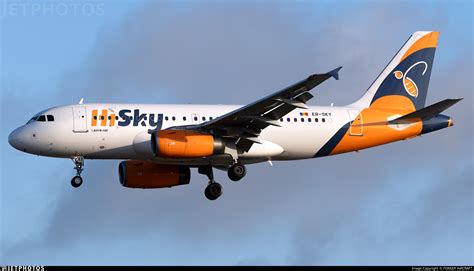
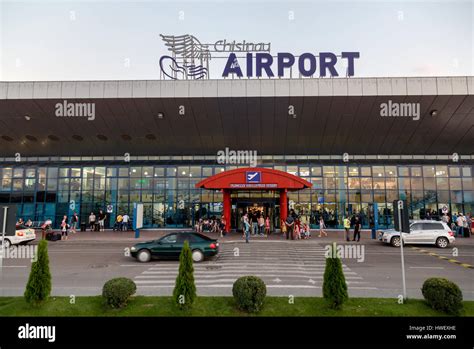
HiSky‘s Moldovan arm operates under the IATA code H7, ICAO code HYM, and the call sign SKY MOLDOVA. Its headquarters are strategically located in Chișinău, the capital of Moldova, with its primary operational base firmly established at Chișinău International Airport (KIV). This base serves as a critical hub for its Moldovan operations, connecting the country to various destinations across Europe and beyond. From its inception, HiSky Moldova aimed to provide much-needed air connectivity for Moldovan citizens and to stimulate tourism and business travel to the country. The airline’s presence in Moldova is significant, offering an alternative to the national carrier and other LCCs operating in the region. The initial fleet supporting HiSky Moldova operations primarily consisted of Airbus narrow-body aircraft, aligning with the low-cost model that emphasizes fleet commonality and efficiency. As of April 2024, the distinct fleet for HiSky Moldova specifically included one Airbus A319-100, a versatile aircraft well-suited for short to medium-haul routes with a capacity of 144 passengers in an all-economy configuration. This aircraft plays a crucial role in serving key routes from Chișinău, offering competitive fares and direct connections. The focus for HiSky Moldova has been on routes with high ethnic traffic, business links, and popular leisure destinations, thereby catering to a diverse passenger base.
HiSky Europe: Spearheading Romanian Expansion
Complementing its Moldovan operations, HiSky Europe functions as the airline’s Romanian-registered entity, operating under the IATA code H4, ICAO code HYS, and the call sign SKY EUROPE. Headquartered in Bucharest, Romania, HiSky Europe has established its main operational base at Bucharest Henri Coandă International Airport (OTP), the country’s busiest airport. This strategic positioning allows HiSky Europe to tap into the largest aviation market in Romania and compete directly with established carriers. Beyond Bucharest, HiSky Europe has also developed significant secondary bases at Cluj International Airport (CLJ), Timișoara Traian Vuia International Airport (TSR), and Oradea International Airport (OMR). These additional bases underscore the airline’s commitment to serving various regions within Romania, offering direct international connections from key provincial cities. This multi-base strategy enhances its network reach and provides greater convenience for passengers outside the capital. HiSky Europe boasts a considerably larger fleet and a more extensive route network compared to its Moldovan counterpart, reflecting the larger size of the Romanian aviation market and the airline’s ambitious growth plans within it. Focus cities such as Dublin, Ireland, and Beauvais (Paris), France, feature prominently in its network, indicating a strategy to connect Romania with key Western European hubs and centers of diaspora. The expansion of HiSky Europe has been characterized by the introduction of new routes, increased flight frequencies, and the acquisition of larger, more capable aircraft, including wide-body jets for long-haul aspirations.
Key Operating Bases and Strategic Focus Cities
The selection of operating bases is a cornerstone of any airline’s strategy, and HiSky has made deliberate choices to maximize its market penetration and operational efficiency. Chișinău International Airport (KIV) serves as the heart of HiSky Moldova, providing essential connectivity for the Republic of Moldova. Its importance lies in being the primary international gateway to the country. For HiSky Europe, Bucharest Henri Coandă International Airport (OTP) is the main hub, offering access to Romania’s largest passenger market and significant international transit opportunities. The secondary bases in Romania – Cluj International Airport (CLJ), Timișoara Traian Vuia International Airport (TSR), and Oradea International Airport (OMR) – are vital for decentralizing operations and stimulating air travel from regional economic centers. Cluj-Napoca, a major IT and university city, benefits from direct links to Western Europe. Timișoara, an industrial hub in western Romania, and Oradea, strategically located near the Hungarian border, also gain enhanced connectivity through HiSky‘s presence. Beyond these bases, certain destinations function as focus cities. Beauvais–Tillé Airport (BVA), serving Paris, and Dublin Airport (DUB) are key examples. These cities are not just destinations but points from which HiSky can build a more intricate network, often benefiting from strong VFR traffic, tourism, and labor mobility flows between Romania/Moldova and these regions. This multi-layered approach to network development, combining main bases, secondary bases, and focus cities, allows HiSky to flexibly adapt to market demands and optimize its aircraft utilization.
Crafting Connections: HiSky’s Diverse Route Network
As of April 2024, HiSky has cultivated an impressive and diverse route network, connecting Moldova and Romania to a multitude of destinations across Europe, Africa, and North America. The airline’s strategy encompasses a mix of scheduled flights to major cities and business hubs, alongside seasonal charter services to popular holiday destinations. This dual approach allows HiSky to maintain a steady stream of revenue throughout the year while capitalizing on peak travel seasons.
Key European destinations feature prominently, including Brussels Airport (BRU) in Belgium, offering access to the heart of the European Union. France is well-covered with flights to Beauvais–Tillé Airport (BVA) near Paris, Bordeaux–Mérignac Airport (BOD), and directly into Paris Charles de Gaulle Airport (CDG). Germany is another crucial market, with services to Düsseldorf Airport (DUS), Frankfurt Airport (FRA) – a major international hub, and more recently, Hamburg Airport (HAM). Connections to Ireland via Dublin Airport (DUB) remain a cornerstone of their network, particularly from Romania. Italy is served through Milan Bergamo Airport (BGY) and Venice Marco Polo Airport (VCE), catering to both business and leisure travelers. In the United Kingdom, HiSky flies to London Stansted Airport (STN), a popular gateway for low-cost travel to London.
Israel is a significant destination with flights to Tel Aviv Ben Gurion Airport (TLV) from multiple HiSky bases, reflecting strong cultural and tourism ties. Istanbul Airport (IST) in Turkey provides a vital link to another major intercontinental hub. Within its home markets, HiSky maintains a strong domestic and regional presence, connecting cities like Baia Mare, Iași, and Timișoara from its Romanian bases.
Transatlantic Ambitions: The Landmark New York Route
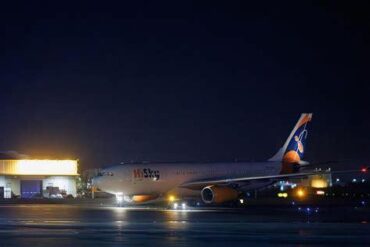
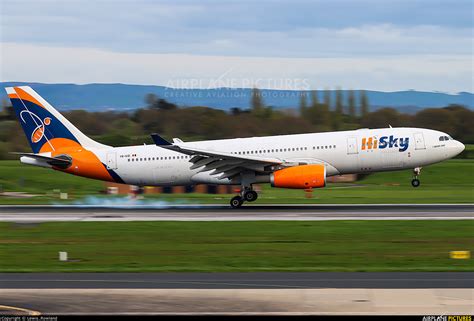
Perhaps the most striking development in HiSky’s route network has been its expansion into the North American market. In a landmark move, HiSky launched direct flights from Bucharest (OTP) to New York City (John F. Kennedy International Airport – JFK). This service, inaugurated with much anticipation, marked the first direct air link between Romania and the United States in over two decades, filling a significant void left by the departure of TAROM from this route years ago. The Bucharest-New York route is operated using the airline’s Airbus A330-200 aircraft, which is suitably equipped for long-haul travel, offering both economy and business class configurations. This strategic route not only caters to the substantial Romanian diaspora in the New York metropolitan area but also aims to stimulate tourism and business travel in both directions. The launch of this transatlantic service represents a major milestone for HiSky, elevating its status from a regional LCC to an airline with intercontinental capabilities and ambitions. It underscores the airline’s confidence in its operational model and its ability to compete on long-haul routes. This service is a testament to HiSky’s bold growth strategy and its commitment to enhancing Romania’s global connectivity.
European Connectivity and Leisure Destinations
Beyond its flagship transatlantic route and key European city pairs, HiSky has a robust offering of flights to leisure destinations, often operated on a seasonal charter basis in partnership with tour operators. These destinations cater to holidaymakers from Moldova and Romania seeking sun and sea. Popular choices include Hurghada (HRG) and Sharm El Sheikh (SSH) in Egypt, known for their Red Sea resorts. Agadir–Al Massira Airport (AGA) in Morocco and Monastir Habib Bourguiba International Airport (MIR) in Tunisia are other North African holiday spots featured in HiSky’s charter program. Antalya Airport (AYT) in Turkey is a perennial favorite for summer vacations. Within Europe, seasonal flights to destinations like Málaga Airport (AGP) and Palma de Mallorca Airport (PMI) in Spain also feature, catering to the demand for Mediterranean getaways. In Romania, HiSky also operates seasonal charters to Brașov-Ghimbav International Airport (GHV), providing access to the popular mountain resorts of Transylvania, and to Mihail Kogălniceanu International Airport (CND) serving the Black Sea coast city of Constanța. This diverse portfolio of leisure routes complements its scheduled services, allowing for higher aircraft utilization and tapping into different market segments.
Suspended and Terminated Routes: Adapting to Market Dynamics
Like all airlines, HiSky‘s route network is subject to evolution, with adjustments made based on market performance, geopolitical factors, and strategic realignments. Some routes initially launched have been terminated. For instance, services to Lisbon Airport (LIS) from Cluj-Napoca, one of its inaugural routes, were eventually discontinued. Similarly, flights to Târgu Mureș Transilvania Airport (TGM) in Romania were also terminated, likely due to commercial viability assessments. More significantly, geopolitical events have impacted HiSky’s operations to Russia. Flights to Moscow Domodedovo Airport (DME) and Saint Petersburg Pulkovo Airport (LED), which were part of its network from Chișinău, have been suspended. These suspensions are a direct consequence of airspace restrictions and sanctions related to the conflict in Ukraine, a factor affecting many airlines operating in the region. The ability to adapt its network by adding, modifying, or suspending routes is crucial for an airline’s resilience and profitability, and HiSky has demonstrated this flexibility in response to changing circumstances.
Powering the Fleet: Modern Aircraft for a Modern Airline
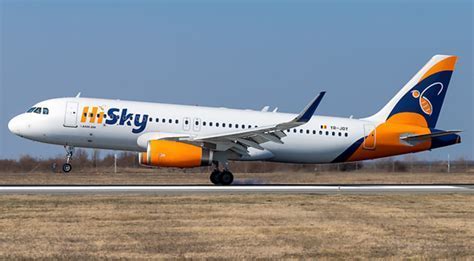
HiSky’s operational capabilities and growth ambitions are intrinsically linked to its fleet strategy. The airline operates a modern fleet predominantly composed of Airbus aircraft, a choice favored by many low-cost carriers for its efficiency, reliability, and pilot training commonality. As of April 2024, the fleet is divided between its Moldovan and Romanian AOCs.
HiSky (Moldova) operates:
- Airbus A319-100: 1 aircraft, configured with 144 seats in an all-economy layout. This aircraft is ideal for shorter routes with moderate demand emanating from its Chișinău base.
HiSky Europe (Romania) operates a more extensive and diverse fleet:
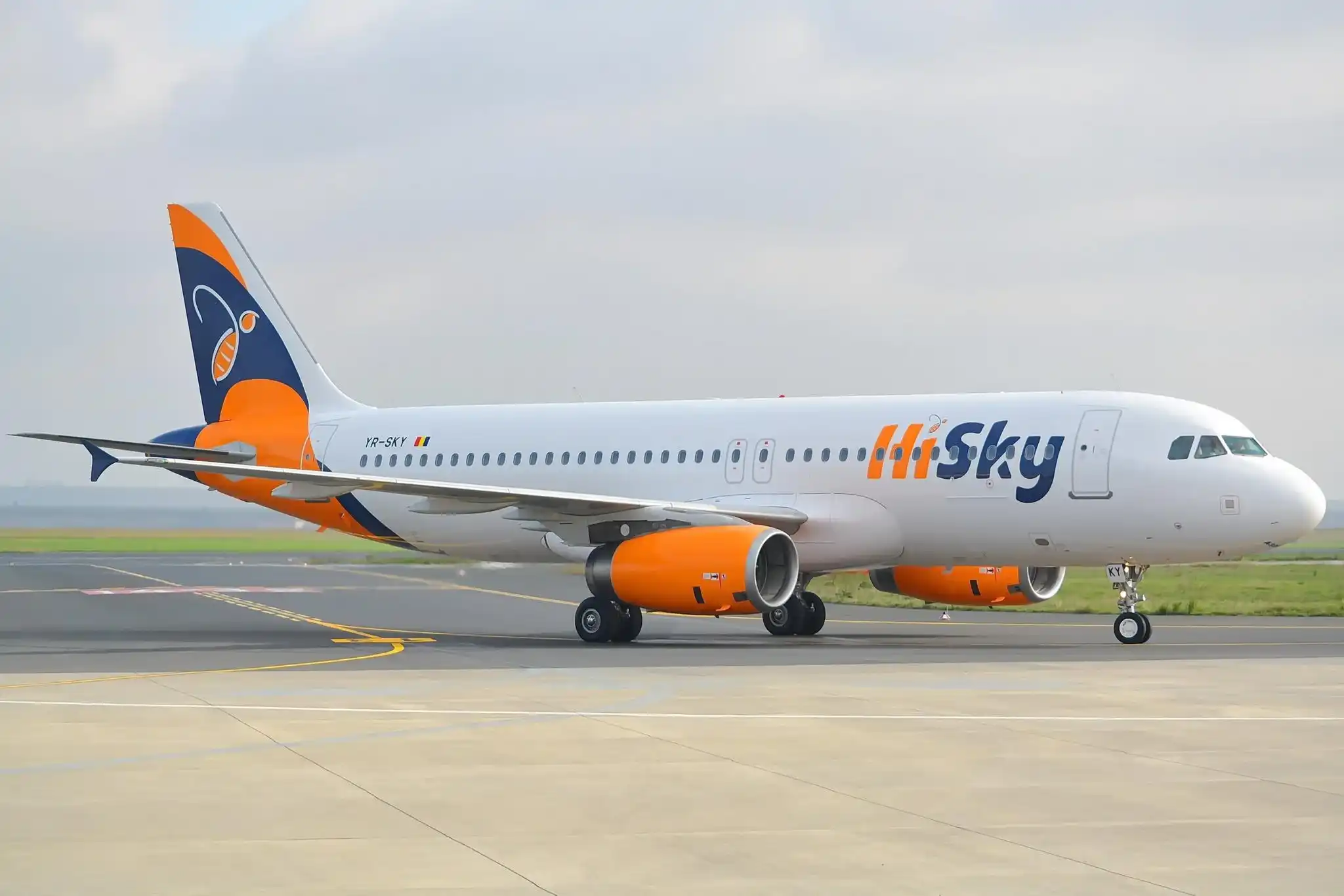
- Airbus A320-200: 4 aircraft, each typically configured with 180 seats. These are the workhorses of the short to medium-haul fleet, offering a good balance of capacity and range for many European routes.
- Airbus A321LR: 2 aircraft. The ‘LR’ denotes Long Range, and these aircraft are configured with 220 seats. The A321LR provides extended range capabilities, allowing HiSky Europe to explore longer routes that might not be viable for the standard A320, potentially including thinner long-haul destinations or routes with strong, specific demand. This aircraft is a key enabler for expanding reach efficiently.
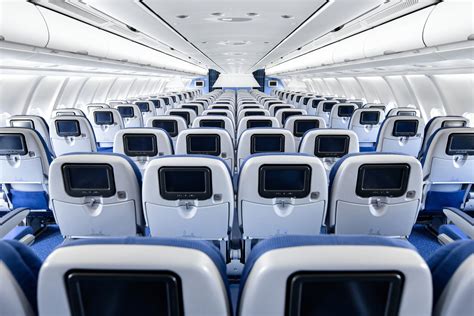
- Airbus A330-200: 1 aircraft. This wide-body jet is a significant asset, configured with 24 business class seats and 250 economy class seats, totaling 274 seats. The acquisition of the Airbus A330-200 marked HiSky’s entry into the long-haul market, most notably facilitating the Bucharest-New York JFK route. This aircraft, with its substantial range of over 13,000 kilometers (or 14+ hours of flight time as stated by the airline), opens up possibilities for further intercontinental expansion.
The Workhorses: Airbus A319 and A320 Family
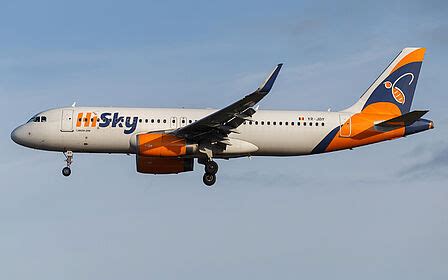
The backbone of HiSky’s fleet, particularly for its European network, is formed by the Airbus A319 and Airbus A320 aircraft. The Airbus A319-100 operated by HiSky Moldova is a slightly shorter variant of the A320, offering excellent performance for routes where demand might not consistently fill a larger aircraft, while still maintaining the benefits of the A320 family commonality. The four Airbus A320-200s under HiSky Europe are quintessential narrow-body jets, widely acclaimed for their fuel efficiency, operational reliability, and passenger comfort within the low-cost segment. Their capacity of around 180 seats is a sweet spot for many European routes, allowing for competitive pricing and frequent services. The choice of the A320 family allows HiSky to benefit from economies of scale in maintenance, crew training, and spare parts, which are critical components of a successful low-cost operation. These aircraft enable HiSky to serve a high volume of passengers on its core routes throughout Europe and the Middle East, connecting its bases in Romania and Moldova with key cities and leisure destinations.
Long-Range Capabilities: The Airbus A321LR and A330-200
HiSky’s strategic vision extends beyond conventional European routes, as evidenced by its investment in longer-range aircraft. The two Airbus A321LRs in the HiSky Europe fleet represent a significant step up in capability. These aircraft allow HiSky to operate routes up to 4,000 nautical miles (7,400 km), potentially opening new markets in the further reaches of Europe, the Middle East, Africa, or even some transatlantic destinations that don’t require the full capacity of a wide-body. The 220-seat configuration maintains a dense LCC layout while offering access to these longer sectors. The true game-changer, however, is the Airbus A330-200. This aircraft catapulted HiSky into the long-haul arena. Its introduction was not merely a fleet addition but a statement of intent. With a two-class configuration including 24 business class seats, HiSky can cater to a broader range of passengers on its flagship routes like Bucharest to New York. The A330’s impressive autonomy, as highlighted by the airline, allows for non-stop flights exceeding 14 hours, bringing distant continents within reach. This aircraft is pivotal for HiSky’s transatlantic ambitions and future growth into other long-haul markets, significantly differentiating it from many other regional LCCs.
Market Positioning: HiSky in the Competitive LCC Arena
HiSky firmly positions itself as a low-cost carrier (LCC), a model that has revolutionized air travel globally by offering more affordable fares. In the Eastern European market, particularly in Moldova and Romania, HiSky operates in a competitive environment. It vies for passengers with established LCC giants like Wizz Air and Ryanair, which have a strong presence in Romania, as well as national carriers such as TAROM (Romania) and other regional players like FlyOne (Moldova). To carve out its niche, HiSky employs several strategies. Its dual-AOC structure (Moldovan and Romanian) provides operational flexibility and access to distinct market rights. The airline often focuses on routes that may be underserved by larger LCCs or where it can offer a more direct or convenient schedule. The leadership of Iulian Scorpan, with his local market knowledge, likely plays a role in identifying such opportunities. Furthermore, HiSky’s venture into long-haul flights with the Airbus A330, particularly the Bucharest-New York service, is a significant differentiator. Most LCCs in Europe do not operate wide-body aircraft on transatlantic routes, allowing HiSky to tap into a unique market segment – affordable long-haul travel with the option of a premium cabin. The choice of modern, fuel-efficient Airbus aircraft also supports its cost-containment strategy, crucial for maintaining competitive fares. The airline’s growth from multiple bases in Romania (Bucharest, Cluj-Napoca, Timișoara, Oradea) indicates a strategy to build regional strength rather than solely relying on capital city traffic.
Leadership and Vision: The Role of Iulian Scorpan
The trajectory of HiSky is significantly shaped by its CEO, Iulian Scorpan. His background as a former pilot for Air Moldova provides him with a deep, practical understanding of airline operations and the specific nuances of the Moldovan and Romanian aviation markets. This hands-on experience is invaluable in navigating the complexities of launching and scaling an airline, from regulatory approvals to network planning and fleet acquisition. Scorpan’s leadership has been evident throughout HiSky’s journey, from persevering through the initial certification challenges and the unprecedented disruption of the COVID-19 pandemic to spearheading the airline’s ambitious expansion, including the bold move into transatlantic services. His vision appears to be focused on identifying and capitalizing on underserved routes, leveraging the efficiencies of a low-cost model, and progressively enhancing the airline’s capabilities with modern aircraft like the A321LR and A330-200. The ability to secure two distinct Air Operator’s Certificates in Moldova and Romania also speaks to a strategic approach to market access and operational resilience. Under his guidance, HiSky has transitioned from a hopeful startup to an airline that is making a tangible impact on connectivity for both Moldova and Romania, challenging established players and introducing new travel possibilities for passengers in the region.
Future Horizons: Projecting HiSky’s Trajectory
Looking ahead, HiSky appears poised for continued growth and evolution. The acquisition of the Airbus A330-200 and the successful launch of the New York route signal a clear ambition to further develop its long-haul network. Potential future intercontinental destinations could be explored, leveraging the A330’s range and the established demand from Romanian and Moldovan diasporas or emerging tourism markets. The Airbus A321LR aircraft also provide a flexible tool for pioneering new medium to long-range routes that may not sustain a wide-body aircraft initially but offer growth potential. Further expansion within Europe is also likely, with HiSky potentially adding new destinations or increasing frequencies on existing popular routes from its various bases in Romania and Moldova. The airline may also look to establish new operational bases if market conditions are favorable, further strengthening its regional footprint. Continued fleet modernization and potential expansion will be key to supporting this growth. The competitive LCC landscape will continue to present challenges, requiring HiSky to remain agile, cost-efficient, and innovative in its service offerings and route selection. The airline’s ability to maintain a strong safety record, high operational reliability, and customer satisfaction will be crucial for its long-term success and brand reputation. As it matures, HiSky will likely focus on consolidating its market position, optimizing its network for profitability, and exploring strategic partnerships that could enhance its reach and customer value proposition. The journey from a small regional player to an airline with intercontinental capabilities has been swift, and the coming years will be critical in determining the ultimate scale and scope of HiSky’s ambitions in the European and global aviation markets.
Conclusion: HiSky’s Ascending Journey in European Aviation
HiSky has, in a relatively short period, etched a remarkable story of growth and ambition in the competitive skies of Europe. From its challenging inception, marked by regulatory hurdles and the global pandemic, the airline has successfully navigated turbulence to emerge as a significant low-cost carrier with dual operational heartlands in Moldova and Romania. Under the stewardship of Iulian Scorpan, HiSky has not only established a robust network of European and leisure destinations but has also boldly ventured into the long-haul market with its direct Bucharest-New York service, a testament to its forward-thinking strategy. The strategic deployment of a modern Airbus fleet, including the versatile A320 family, the long-range A321LR, and the intercontinental A330-200, underpins its expansion and operational efficiency. With key bases in Chișinău, Bucharest, Cluj-Napoca, and other regional hubs, HiSky continues to enhance connectivity, offering passengers affordable travel options and challenging the status quo. Its journey reflects a dynamic adaptation to market needs, a commitment to growth, and a clear vision for becoming a more prominent name in international aviation, connecting Eastern Europe with the wider world.