Flying has never been more accessible, and low-cost carriers (LCCs) are a critical reason why. As global air travel rebounds, budget airlines continue to redefine the expectations of affordability, service quality, and route availability. In 2024, we explore the world’s best low-cost airlines based on customer satisfaction, operational efficiency, global reach, onboard innovation, and overall value for money.
Global Rise of Budget Airlines
The budget airline model is no longer just about cheap tickets. In today’s competitive aviation landscape, LCCs must strike a balance between low fares and passenger comfort. Key players are investing in newer, fuel-efficient aircraft, streamlined digital platforms, and personalized customer experiences to set themselves apart.
While the origin of budget carriers lies in short-haul domestic markets, 2024 marks a turning point as many expand into medium- and long-haul routes. For travelers, this translates to unprecedented affordability on international journeys without significant sacrifices in experience.
AirAsia: Asia’s Dominant Force in Budget Travel
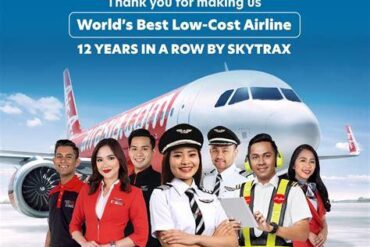
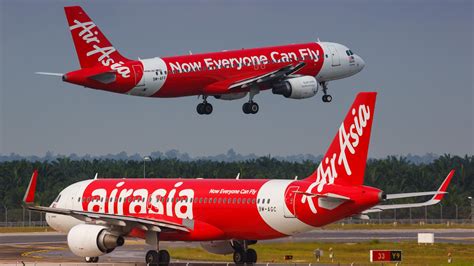
AirAsia, based in Malaysia, continues to lead the LCC category across Asia and beyond. With subsidiaries in Thailand, the Philippines, Indonesia, and India, AirAsia offers seamless regional integration. In 2024, the airline strengthened its digital super app, enhancing user booking experiences with in-app check-ins, exclusive hotel deals, and real-time flight tracking.
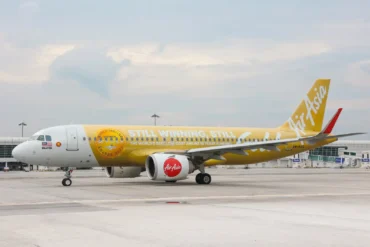
The fleet, comprised mainly of Airbus A320s and A321neos, ensures fuel efficiency and reduced carbon footprint. AirAsia has also prioritized ancillary revenue innovations, such as “Quiet Zones” and value packs offering meals, baggage, and seat selections—all bundled affordably.
Ryanair: Europe’s Price Warrior with Operational Might
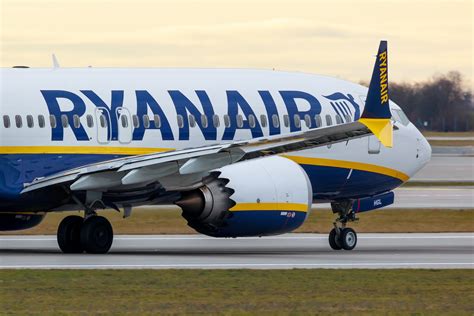
Ryanair remains the juggernaut of Europe’s low-cost travel sector. Operating more than 2,500 flights per day across 40 countries, its ultra-aggressive pricing strategy is underpinned by tight aircraft turnaround times, fleet uniformity, and direct-to-consumer sales.
What makes Ryanair stand out in 2024 is its commitment to environmental targets. Its new Boeing 737 MAX-8200 fleet, dubbed “Gamechanger,” offers 16% lower fuel consumption and noise pollution. Additionally, Ryanair has implemented a carbon offset program, appealing to eco-conscious millennials and Gen Z travelers.
JetSMART: South America’s Trailblazer
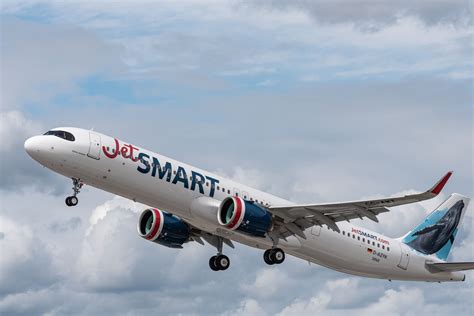
JetSMART, headquartered in Santiago, Chile, is making waves across South America. Founded by Indigo Partners—the same backers behind Wizz Air and Frontier—JetSMART’s 2024 strategy revolves around regional expansion, aggressive price promotions, and a strong safety record.
By embracing ultra-low-cost economics, JetSMART provides flights to underserved cities across Argentina, Brazil, Peru, and Colombia. In-flight services are minimal by design, allowing passengers to pay only for what they need, aligning with its slogan: “Smart Travel, Smart Prices.”
IndiGo: India’s Aviation Titan
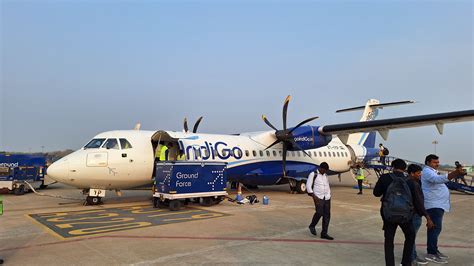
India’s IndiGo isn’t just the country’s largest airline—it’s also one of the world’s most reliable low-cost carriers. In 2024, IndiGo boasts a fleet exceeding 300 aircraft, servicing both domestic and international routes across Asia, the Middle East, and now parts of Eastern Europe.
Known for on-time performance, clean cabins, and efficient customer service, IndiGo has built strong loyalty among India’s growing middle class. The airline’s recent codeshare partnerships with Turkish Airlines and Qantas have opened new pathways for global travelers looking for budget-friendly connectivity through Indian hubs.
Wizz Air: Eastern Europe’s Fastest-Growing LCC
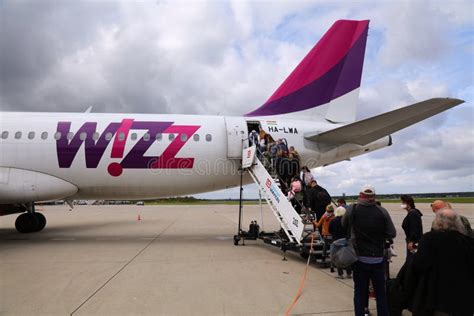
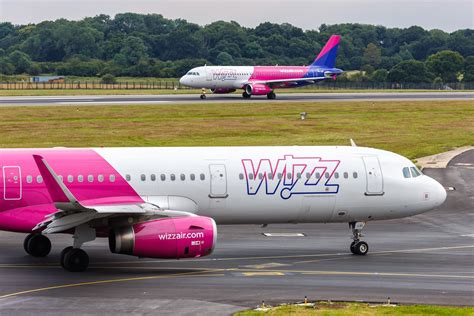
Wizz Air, with its headquarters in Hungary, is surging across Eastern and Central Europe with ambitions far beyond regional boundaries. In 2024, Wizz Air expanded into the Middle East and North Africa while launching direct flights to Asia from its Abu Dhabi hub.
Key to Wizz Air’s success is ultra-low operating costs, supported by a lean digital infrastructure and bulk aircraft orders. Despite criticism over add-on fees, Wizz Air maintains strong customer satisfaction by delivering exactly what it promises: ultra-cheap fares with on-time reliability.
Flynas: Saudi Arabia’s Budget Champion
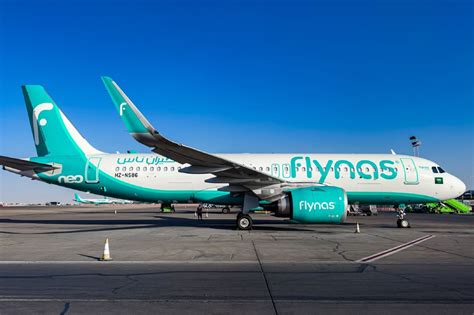
In a region dominated by luxury carriers, Flynas has carved a niche for affordable travel across the Gulf and North Africa. In 2024, it was recognized for modern fleet utilization, strong adherence to safety protocols, and innovative route development.
Flynas connects remote Saudi cities with major global destinations at highly competitive rates. The airline has also launched loyalty programs and women-led cabin crew initiatives, positioning it as a progressive force in the region’s aviation sector.
Peach Aviation: Japan’s Leading LCC
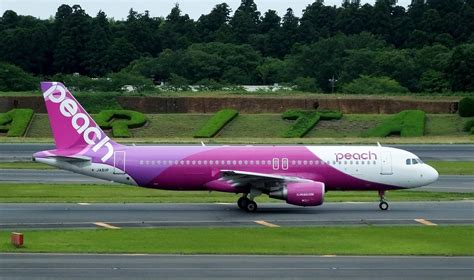
Peach Aviation, a subsidiary of ANA Holdings, continues to impress in Japan’s tightly regulated aviation sector. Known for punctuality, polite service, and aesthetically pleasing branding, Peach targets budget-conscious domestic travelers and short-haul international tourists from China, South Korea, and Taiwan.
Peach leverages Kansai International Airport as a cost-effective hub, enabling efficient turnarounds and consistent load factors. In 2024, the airline introduced new digital kiosks and multi-language mobile platforms that enhance accessibility for non-Japanese travelers.
Frontier Airlines: America’s Ultra Low-Cost Visionary
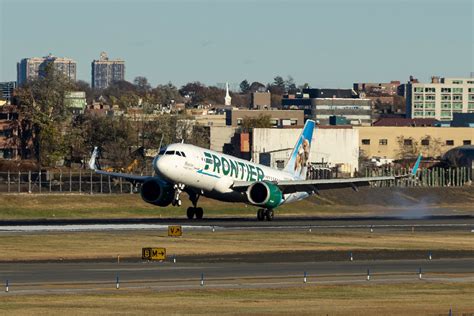
In the United States, Frontier Airlines stands out for its aggressive expansion, particularly in underserved secondary airports. With a primary focus on leisure destinations, Frontier pairs its low fares with a clear unbundled pricing model, allowing travelers to build their ideal travel experience.
In 2024, Frontier’s environmental messaging gained traction, emphasizing its use of young, fuel-efficient aircraft and offering carbon offset options at checkout. Despite industry criticism over legroom and customer service, Frontier’s volume-driven model continues to deliver profits and competitive fares.
VietJet Air: Southeast Asia’s Disruptor
Vietnam’s VietJet Air is more than a budget airline—it’s a brand built on youthful energy, eye-catching marketing, and deep penetration into tier-2 cities across Southeast Asia. In 2024, VietJet expanded into Australia and India, showcasing its ambition to go truly intercontinental.
The airline’s ancillary services—from inflight shopping to branded merchandise—reflect its strategy of turning each customer interaction into a revenue opportunity. VietJet’s focus on affordability and market access makes it a favorite among backpackers, students, and regional commuters.

What Sets the Best Low-Cost Airlines Apart in 2024?
The top-performing low-cost airlines of 2024 share common differentiators that go beyond ticket price:
- Fleet modernization: Newer aircraft mean fuel savings, lower emissions, and better reliability.
- Digital transformation: Mobile-first platforms, app-based bookings, and paperless boarding enhance user experience.
- Route optimization: Focused expansion into secondary airports and new international corridors.
- Ancillary innovation: Creative monetization without compromising customer satisfaction.
- Sustainability initiatives: Public focus on carbon footprints and environmental policies.
Final Takeaway: Value Has a New Meaning
In 2024, the definition of value in air travel has shifted. Passengers are increasingly willing to forgo traditional luxuries for speed, reliability, and cost-efficiency. The world’s leading low-cost carriers have adapted to this reality with flexibility, digital agility, and relentless focus on operational margins.
As global travel demand surges post-pandemic, budget airlines are no longer just about being cheap—they’re about being smart, responsive, and experience-driven. Choosing the right low-cost carrier now hinges on more than price: it’s about how much comfort, accessibility, and reliability you can get for the fare you pay.