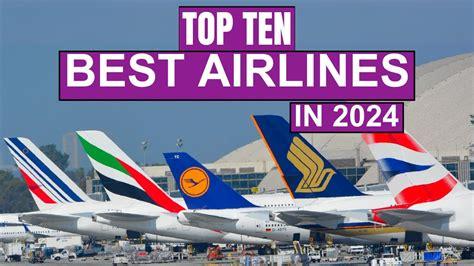
In 2024, low-cost airlines have surged in popularity as global travelers increasingly seek affordable, efficient, and reliable air travel without compromising on quality. These airlines, once seen merely as budget alternatives, have redefined value-for-money flying by offering extensive route networks, timely operations, and modern onboard experiences. This year’s leaders in the low-cost sector have distinguished themselves through innovation, customer satisfaction, operational excellence, and strategic growth.
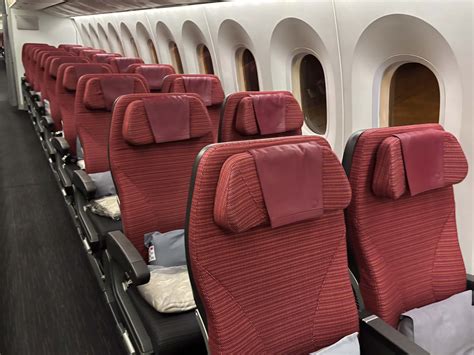
What Defines a Top-Tier Low-Cost Airline in 2024
While ticket pricing remains the core selling point, the world’s best low-cost carriers in 2024 are characterized by much more than affordability. Punctuality, fleet modernization, digital customer experience, transparent pricing, and ancillary services have all emerged as critical differentiators. Airlines that thrive in this space have managed to balance low fares with high operational standards. In particular, real-time app integration, mobile check-in, and seamless add-ons such as baggage, food, and seat selection are becoming baseline expectations rather than premium features.
Moreover, sustainability has crept into the low-cost conversation. Airlines investing in fuel-efficient aircraft, offering carbon offset programs, and reducing single-use plastics onboard are seeing increased brand favorability, especially among millennial and Gen Z travelers.
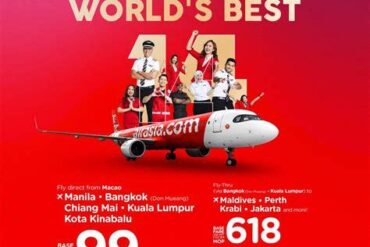
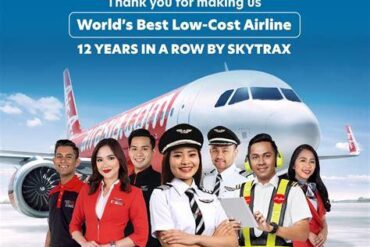
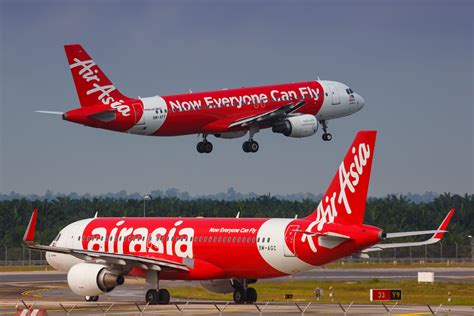
AirAsia: Southeast Asia’s Budget Titan
AirAsia continues to dominate the low-cost scene in Southeast Asia and beyond. Known for its aggressive route expansion, competitive fares, and consistently strong brand identity, AirAsia has carved a niche in both regional and long-haul travel through its AirAsia X arm. The airline’s integration of its super app—which combines flight booking, ride-hailing, food delivery, and loyalty rewards—has helped it stay ahead in customer engagement.
Operational highlights in 2024:
- Revived long-haul operations to Australia and the Middle East.
- Fleet revitalization with Airbus A321neo aircraft for enhanced fuel efficiency.
- AI-powered pricing and customer support chatbots.
Ryanair: Europe’s Ruthless Efficiency Leader
Ryanair remains Europe’s benchmark for ultra-low-cost flying, and in 2024 it continues to outpace competitors with surgical precision in operations. Famous for its punctuality and enormous network, Ryanair has leaned into digital efficiency—leveraging its app for seamless booking management and upsell opportunities.
The carrier now offers multiple fare tiers that allow flexibility for leisure and business travelers alike, and its ancillary revenue stream—from seat selection to onboard food—is a textbook case of profitability through microservice sales.
Noteworthy moves in 2024:
- Expansion into Eastern European and Balkan markets.
- Partnership with Google Maps for live gate updates.
- Reduction of flight emissions per passenger through new Boeing 737 MAX-8200 jets.
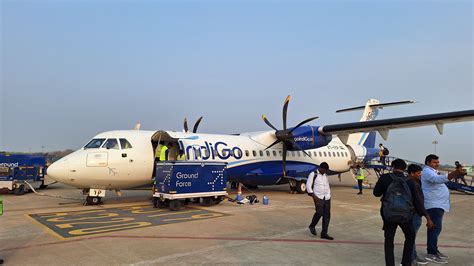
IndiGo: India’s Domestic Giant with Global Ambitions
IndiGo commands the Indian domestic market with over 55% market share and has begun making calculated steps toward international influence. Known for its on-time performance, lean operations, and hassle-free service, IndiGo has kept its cost base low while expanding aggressively into key Asia-Pacific routes.
In 2024, it boasts an expanding fleet of Airbus A320neo and A321XLRs, allowing for medium-haul international flights with improved fuel economics. As India’s middle class grows, IndiGo is positioned to be their primary travel gateway.
Recent highlights:
- Direct routes to Nairobi, Jakarta, and Tashkent.
- Fast check-in via biometric facial recognition at major Indian airports.
- Introduction of premium economy seating in select sectors.
JetSMART: Latin America’s Disruptive Upstart
JetSMART, backed by Indigo Partners (also investors in Wizz Air and Frontier), is aggressively expanding across South America, with its ULCC model taking root in Chile, Argentina, and Peru. Known for offering rock-bottom prices with a la carte add-ons, JetSMART is targeting price-sensitive regional travelers with its “fly smart” message.
Its strategy includes point-to-point domestic and cross-border routes that bypass traditional hubs, enabling time and cost savings.
Key developments in 2024:
- Acquisition of new A321neo aircraft.
- Introduction of SMARTPass for bundled service options.
- Launch of environmental impact tracking feature in its app.
Wizz Air: Central Europe’s Expansion Powerhouse
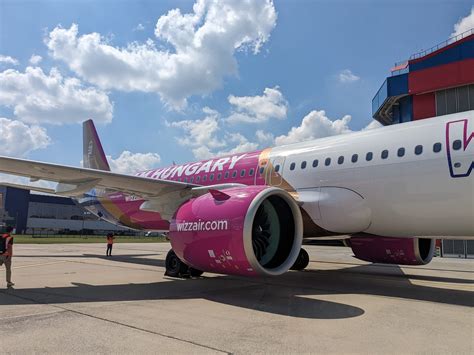
Wizz Air continues to be a dominant low-cost force in Central and Eastern Europe, thanks to its nimble operations and youthful fleet. By 2024, Wizz Air’s aggressive growth strategy has solidified its footprint in the UK, UAE, and North Africa.
It’s also one of the greenest airlines in Europe in terms of CO₂ emissions per passenger, owing to its all-Airbus fleet and younger aircraft profile. Moreover, Wizz has made strides in digitizing customer service via WhatsApp integration and app-based trip management.
Strategic wins:
- 15 new routes from Abu Dhabi to Asia and Eastern Europe.
- New crew training facility in Bucharest.
- Expansion of WIZZ Flex for low-cost ticket changes.
Southwest Airlines: America’s People-First Low-Cost Veteran
Though often considered a hybrid between low-cost and full-service carriers, Southwest Airlines retains its roots in budget air travel and continues to redefine expectations within the U.S. market. In 2024, Southwest has leaned into its core strengths: two free checked bags, no change fees, and open seating.
In response to competitive pressure from ULCCs like Spirit and Frontier, Southwest has sharpened its mobile app, added real-time upgrade options, and enhanced inflight Wi-Fi offerings across its fleet.
Recent innovations:
- Live TV integration and new streaming partnerships.
- Expansion into smaller, underserved U.S. airports.
- Upgraded Rapid Rewards program with co-branded cards.
flydubai: Bridging Budget and Boutique in the Middle East
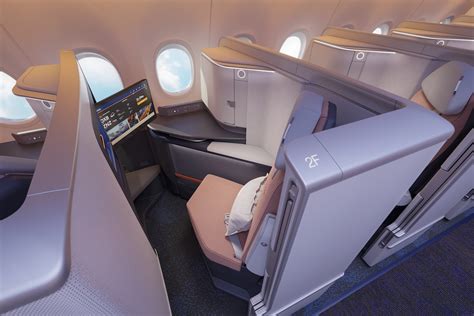
As a subsidiary of Emirates, flydubai occupies a strategic space in the Middle East, offering low-cost efficiency while maintaining service quality reminiscent of its parent airline. Its appeal lies in its premium cabin offerings on a budget airline model, extensive network across the Middle East, South Asia, and Central Asia, and shared loyalty program with Emirates.
By 2024, flydubai’s fleet of Boeing 737 MAX aircraft ensures fuel efficiency and longer reach. Travelers favor its business class seats on short-haul flights, which are rare among low-cost competitors.
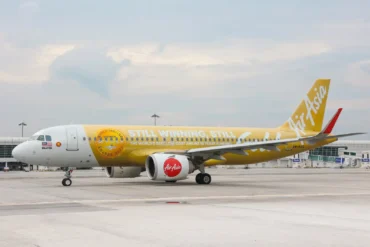
Scoot: Singapore’s Long-Haul Budget Solution
Scoot, a subsidiary of Singapore Airlines, has made long-haul low-cost travel viable by combining attractive fares with a reliable flying experience. Targeting budget-conscious leisure travelers across Asia-Pacific and Europe, Scoot’s modern fleet, including Boeing 787 Dreamliners and Airbus A321neos, balances range, comfort, and cost-efficiency.
Scoot’s “Scootitude” branding highlights its youthful, quirky identity, and the airline has successfully maintained low fares without sacrificing its Singaporean service ethos.
Current strategies:
- Non-stop routes to Berlin, Athens, and Osaka.
- All-digital boarding passes and inflight menus.
- Integration with SIA’s KrisFlyer loyalty program.
Conclusion: The New Age of Affordable Excellence
The low-cost airline landscape in 2024 demonstrates that budget flying no longer means sacrificing convenience or quality. With innovation in fleet management, digital customer experiences, and sustainability practices, the world’s leading LCCs are rewriting the air travel rulebook. The future of aviation is not just about flying cheaper—it’s about flying smarter.
Whether you’re backpacking through Europe, commuting across India, or hopping between Middle Eastern cities, today’s best low-cost airlines offer routes that are not just affordable, but reliable, enjoyable, and efficient. The winners are those who can keep costs low while delivering high value—and in 2024, these carriers have proven that it’s not just possible, but expected.